

الوظائف ذات الصلة
جهاز الموجات فوق الصوتية لاستخراج البروتين: ميزة تحضير العينة في بيانات البروتين القابلة لإعادة الإنتاج
2026-03-25تحظى سير عمل استخراج البروتين في جهاز الموجات فوق الصوتية باهتمام أكبر لأن فرق علم البروتيوميات وعلم الأحياء الجزيئي الآن تعتبر تحضير العينات عاملا رئيسيا في جودة البيانات، وليس مجرد خطوة أولى روتينية. بالنسبة للمشترين والموزعين ومديري المختبرات من الخارج، فهذا مهم لأن الاضطراب الضعيف في البداية يمكن أن يقلل من قابلية التكرار، ويزيد من إعادة العمل، ويضعف الثقة في النتائج اللاحقة.
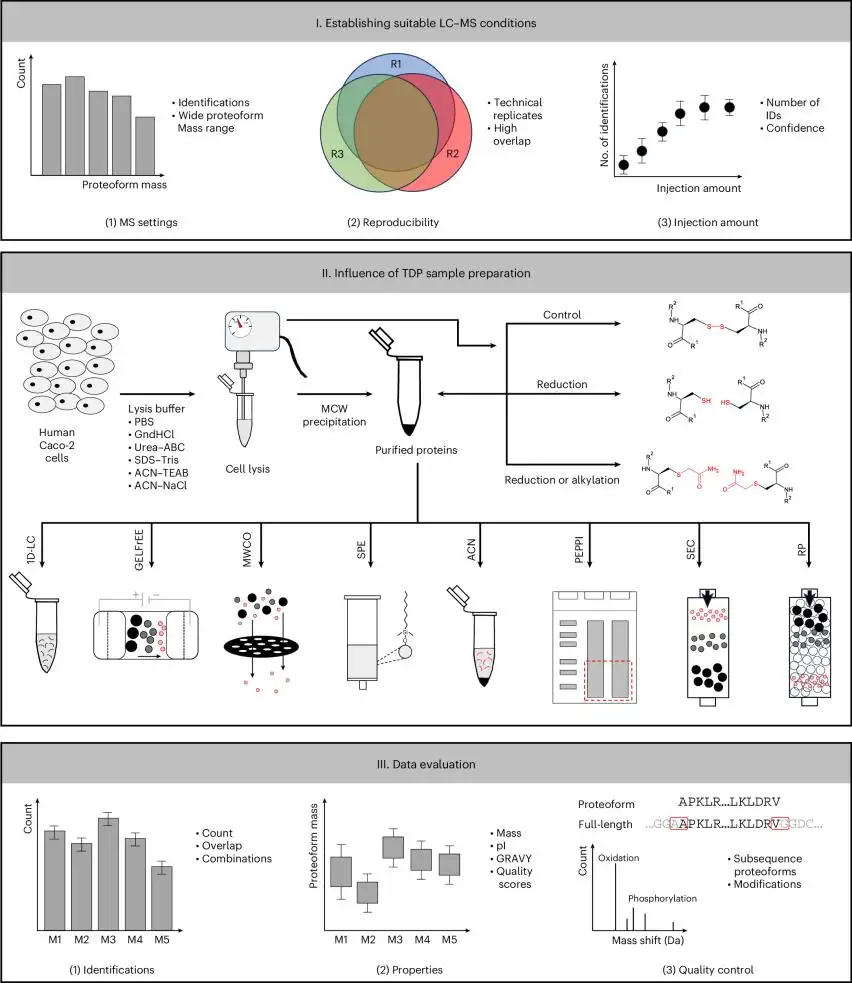
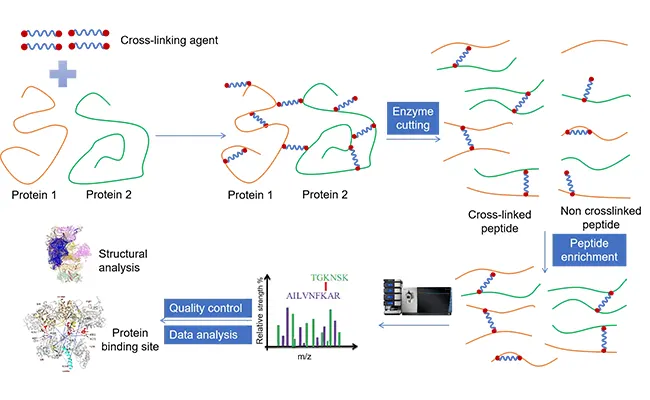
(تأثير طرق تحضير العينات المختلفة على تحديد الأشكال البروتيوفورمية من الأعلى إلى الأسفل)
تدعم الأبحاث الدولية الحديثة هذا التحول. في عام 2025، أبلغ إل. إس. غوادالوبي وزملاؤه عن سير عمل لاستخراج البروتين بمساعدة الموجات فوق الصوتية لعينات الطحالب الدقيقة مصمم لتحسين قابلية التوسع والاسترداد الكمي من المصفوفات البيولوجية الصعبة. قارنت دراسة أخرى أجراها د. كاتسافليس وزملاؤه في عام 2025 ستة سير عمل لتحضير عينات بروتيوميات المصل وأظهرت أن استراتيجية التحضير يمكن أن تؤثر مباشرة على الأداء الكمي وتغطية البروتيوم.
المشكلة الحقيقية في الصناعة ليست في السونيكيشن وحده
لا تزال العديد من المختبرات تعتقد أن القرار يعتمد فقط على ما إذا كان يجب أن تصطدم بالصوت أم لا. في الواقع، القضية الأكبر هي مدى التحكم في توصيل الطاقة ومدى التقلبات التي يسمح بها سير العمل في المشغلين.
يمكن أن يخلق الصوتيات التقليدية ذات الاتصال المباشر عدة مشاكل مألوفة:
• نقل الطاقة غير المتسق من عينة إلى أخرى
• ارتفاع خطر التلوث من ملامسة المجس
• تراكم الحرارة الذي قد يؤثر على الجزيئات الحيوية الحساسة
• زيادة الاعتماد على توقيت المشغل والتعامل معه
• زيادة حجم المعدات وتعقيد سير العمل
هذه ليست مجرد إزعاجات بسيطة. بالنسبة لفرق المشتريات، تؤثر على مصداقية الاختبار، عبء التدريب، معدلات الفشل، واستخدام الأدوات مع مرور الوقت.
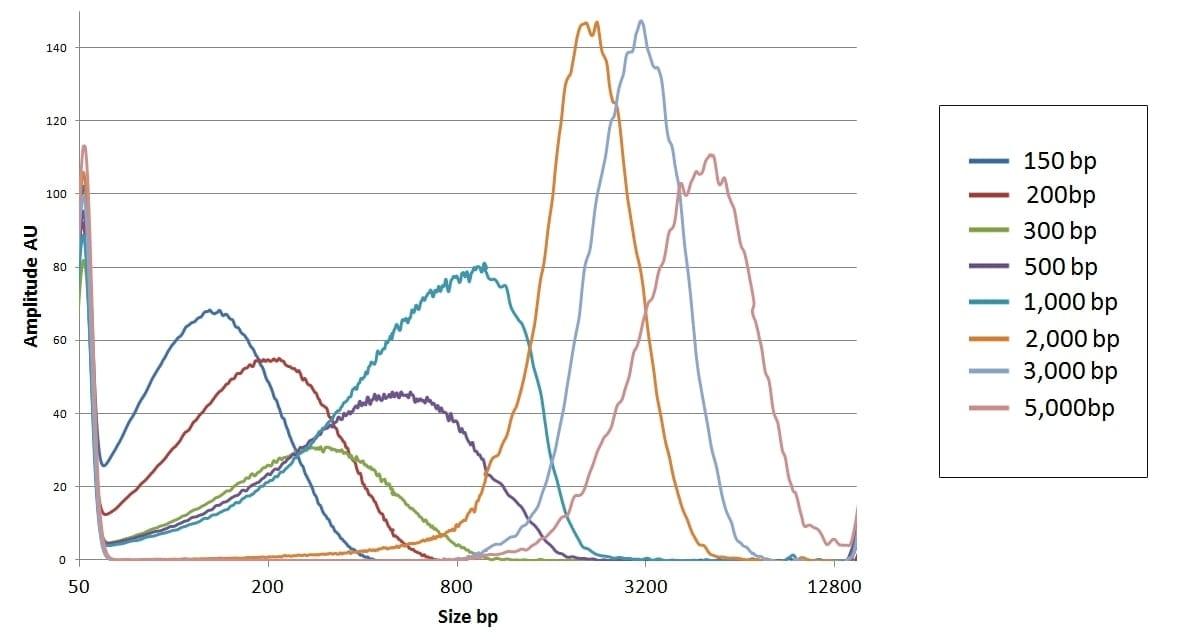
تشير الأدبيات الحديثة للبروتوكولات أيضا إلى نفس الاتجاه. بروتوكول dxChIP-seq لعام 2025 من ي. باو وزملاؤه دمج بشكل صريح التصوير فوق الصوتي المركز في سير عمل مصمم لتحسين تعيين عوامل الكروماتين وأداء الإشارة إلى الضوضاء. وهذا مهم لأنه يدل على أن المعالجة الصوتية المركزة ليست مجرد ميزة راحة. يتم دمجها في سير العمل التجريبي الجديد عالي القيمة حيث تكون جودة التجزئة وقابلية التكرار مهمة.
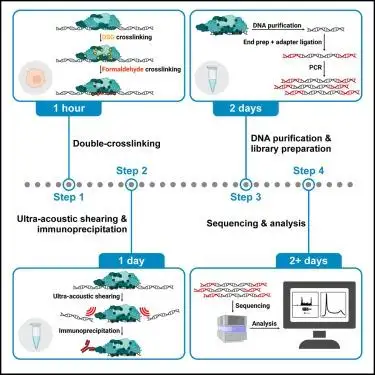
(بروتوكول الربط المزدوج عبر ChIP-seq لتحسين جودة البيانات وتعزيز اكتشاف أهداف الكروماتين الصعبة)
لماذا يناسب التصوير بالموجات فوق الصوتية المركزة استخراج البروتين الحديث بشكل أفضل
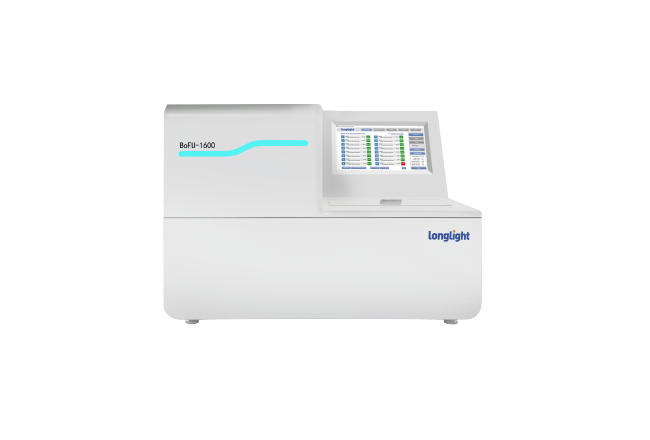
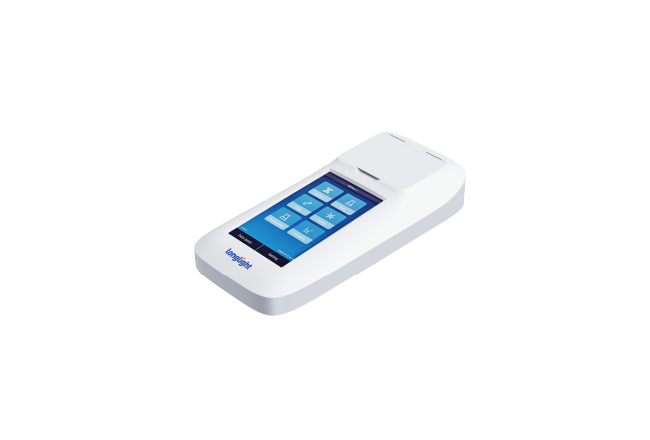
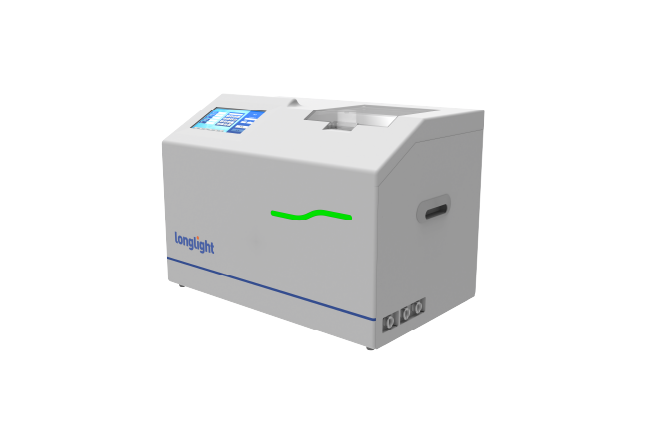
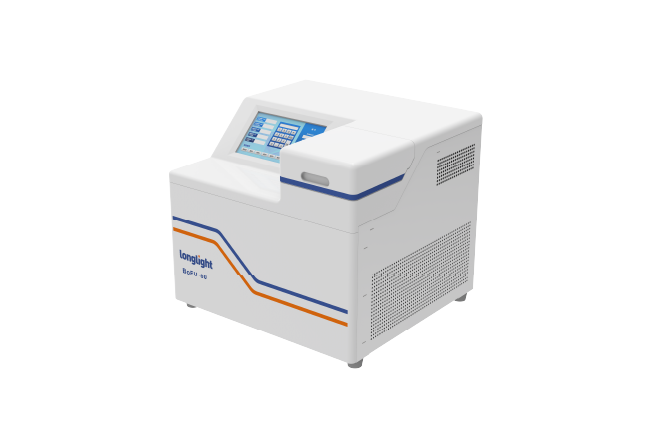
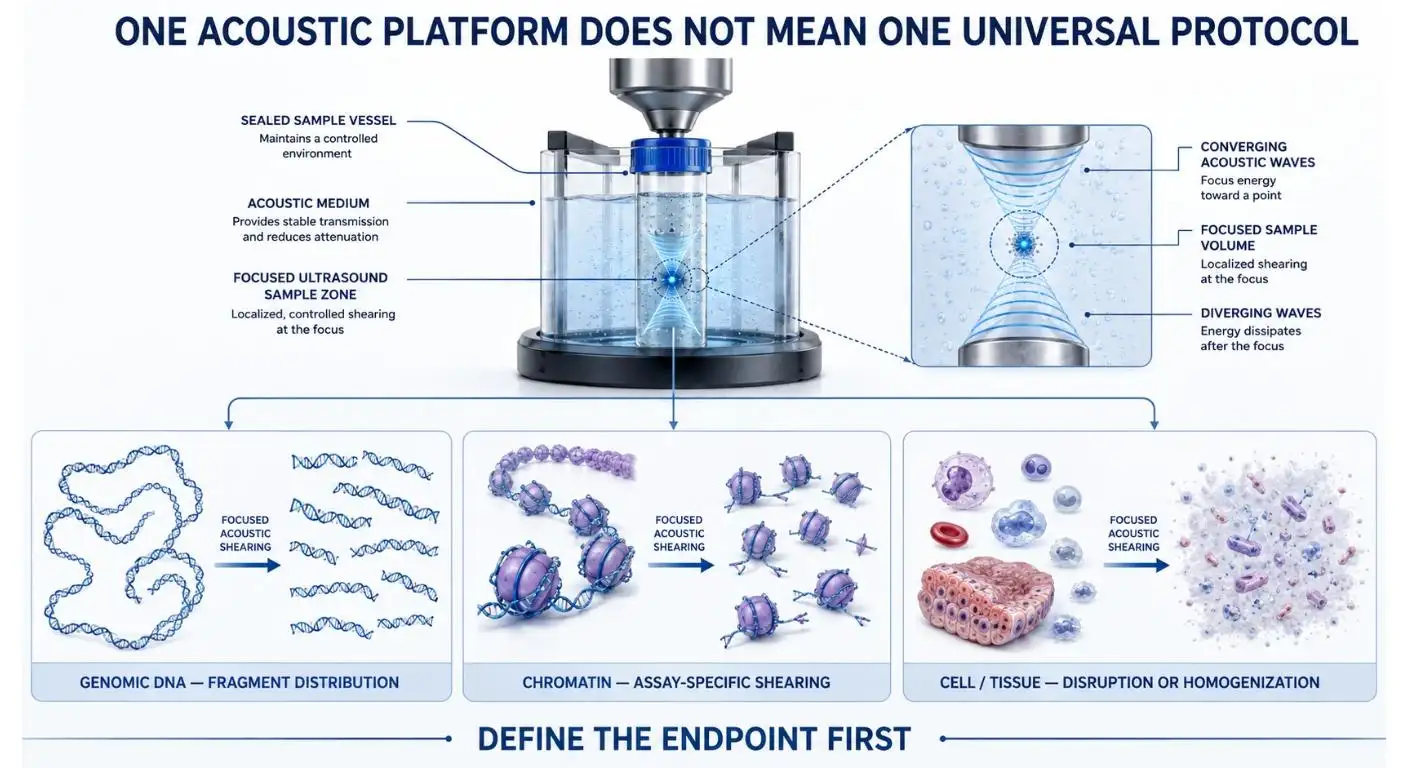
يعتمد نهج شركة لونغلايت تكنولوجي على تركيز، الموجات فوق الصوتية غير التلامسية توصيل. من الناحية العملية للشراء، هذا يغير سير العمل بعدة طرق مفيدة.
• تحكم أفضل في معالجة العينات
من خلال تركيز الطاقة الصوتية عالية التردد على منطقة العينة، يساعد النظام في تقليل التشتت الطاقي الواسع الذي غالبا ما يجعل من الصعب توحيد الصوتات الجماعية. وهذا يدعم المزيد من التكرار في الاضطرابات عبر مجموعات عينات متشابهة، خاصة عندما يجب أن تبقى جودة استخراج البروتين مستقرة عبر المشغلات أو الدفعات.
• احتمال التلوث الأقل
نظرا لأن الطاقة الصوتية تنتقل عبر وسط وليس عبر مسبار يلامس العينة مباشرة، فإن سير العمل يقلل من أحد القضايا الكلاسيكية في التعامل مع العينات الثمينة: التلوث عبر العينات من أجهزة الاتصال المباشر. وهذا مهم في استخراج البروتينات، والعمل على الكروماتين، وسير عمل الأحماض النووية، والتطبيقات عالية الحساسية الأخرى حيث يمكن أن يشوه التلوث الأثري النتائج.
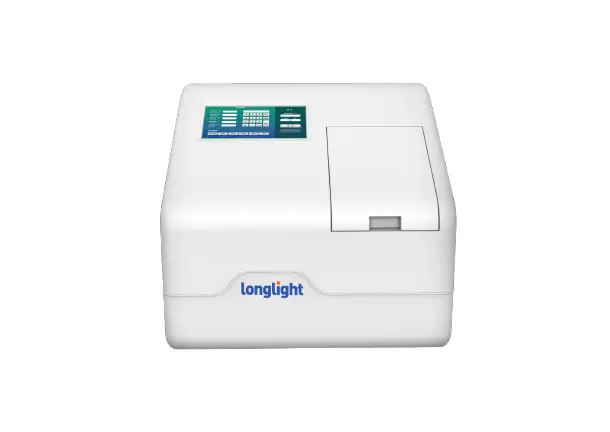
• التعامل الحقيقي مع درجات الحرارة المنخفضة
الحرارة هي واحدة من أكثر الأسباب هدوءا لعدم الاتساق في اتجاه مجرى النهر. بنية الاستشعار والتحكم في درجة الحرارة في لونغلايت، مع تبريد أشباه الموصلات المدمجة، مصممة للحفاظ على استقرار ظروف المعالجة أثناء التصوير فوق الصوتي. بالنسبة للمختبرات التي تعمل مع البروتينات الحساسة للحرارة أو سير عمل الجزيئات الحيوية المختلطة، فهذا ميزة كبيرة مقارنة بالطرق التي يكون فيها تراكم الحرارة أصعب في الإدارة.
• تسهيل توحيد معايير التشغيل التشغيلي
كلما كان الإعداد أبسط، كان من الأسهل تدريب المشغلين والحفاظ على اتساق سير العمل. تصميم لونغلايت المتكامل يتجنب الاعتماد على حاسوب خارجي وأجهزة تبريد منفصلة، مما يساعد في تقليل ازدحام الطاولة وتنوع الإعداد. للمختبرات التي تبني روتينات تركز على GMP، أو سير عمل الخدمة المشتركة، أو بروتوكولات عبر الفرق، يمكن أن تقصر فترة تنفيذ الإجراءات القياسية وتحسن انضباط التنفيذ.
ما تخبر به الأبحاث الحديثة للمشترين
الخلاصة التجارية من الأبحاث الحالية واضحة: تحضير العينة أصبح الآن قرارا في الأداء، وليس مجرد خطوة معالجة مسبقة.
يعد عمل فريق غوادالوبي لعام 2025 مثالا مفيدا لأنه استهدف مصفوفة استخراج البروتين الصعبة وركز على قابلية التوسع والاسترداد الكمي. مقارنة بروتيوميات المصل لعام 2025 التي أجراها كاتسافليس وزملاؤه تعزز نفس الرسالة الأوسع من زاوية أخرى: خيارات تصميم سير العمل في البداية تشكل بشكل جوهري النتائج الكمية في المراحل اللاحقة.
حتى بعد البروتيومكس، أصبحت قابلية التكرار معيارا رئيسيا للشراء عبر المنصات المعتمدة على العينات. اقترحت دراسة في Nature Biotechnology عام 2025 بقيادة ج. ت. بلومر وزملاؤه مقاييس موحدة وأطر تقييم موجهة نحو SOP لقابلية التكرار في سير العمل المكاني، مما يعكس دفعا أوسع نحو مراقبة جودة قابلة للقياس وأداء تقني مماثل.
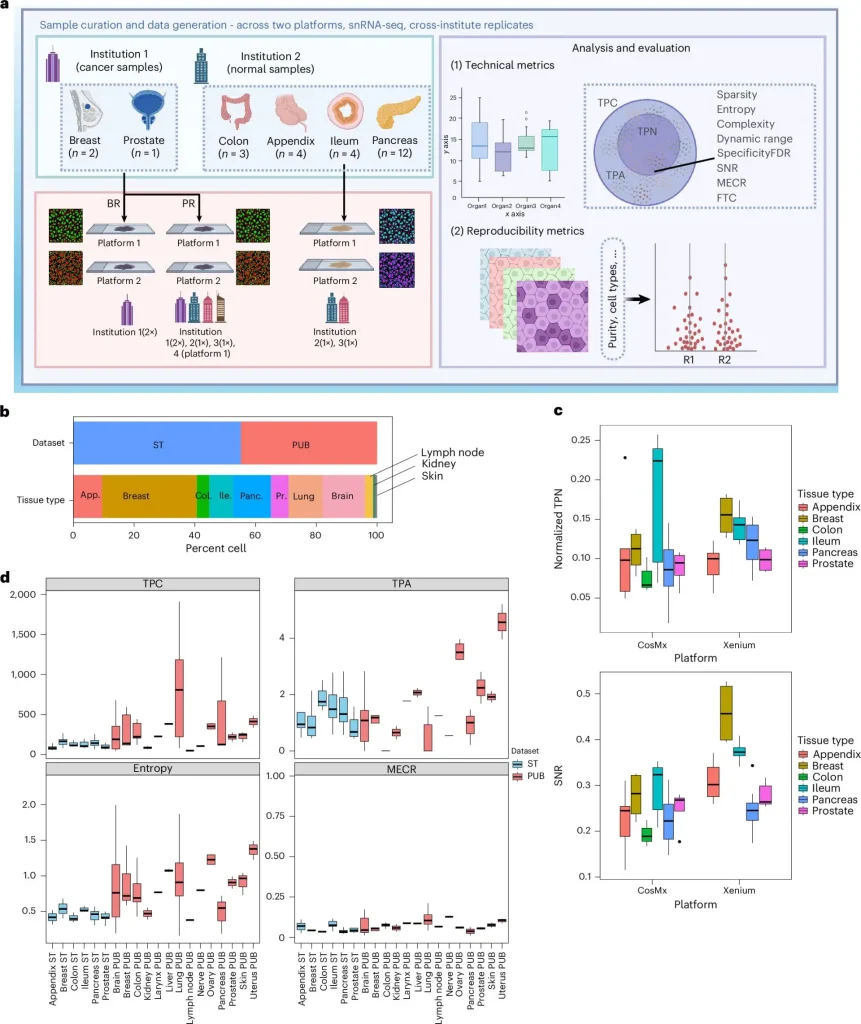
(مقاييس موحدة لتقييم وقابلية تكرار مجموعات بيانات النسخ المكاني المعتمدة على التصوير)
بالنسبة للمشترين، هذا يعني أن معيار التقييم يجب أن يتجاوز القدرة الرئيسية أو الادعاءات البسيطة في معدل الإنتاج. تشمل الأسئلة الأكثر فائدة:
• هل يمكن للنظام تقليل التغير المعتمد على المشغل؟
• هل يمكنه حماية العينات الحساسة للحرارة أثناء المعالجة؟
• هل يمكنه دعم كل من البروتيوميات وسير العمل المجاورة مثل قص الكروماتين أو استخراج الأحماض النووية؟
• هل يمكن أن يبسط التدريب والتوثيق في بيئة مختبرية مزدحمة؟
• حيث تخلق تقنية الإضاءة الطويلة قيمة عملية
تقنية لونغلايت لا تعالج فقط استخراج البروتين. كما أن تموضعه الأوسع في علم الجينوم وعلم الأحياء الجزيئي مهم أيضا للمختبرات التي ترغب في مرونة المنصة.
نفس منطق التصوير فوق الصوتي المركز يمكن أن يدعم:
• اضطراب الخلايا والأنسجة لاستخراج الجينوم أو البروتين
• تجزئة وتجانس الأنسجة البيولوجية
• قص الحمض النووي النووي، والحمض النووي الريبي، والكروماتين
• خطوات التحضير المتعلقة ب FFPE
• سير عمل التجزئة الموجهة نحو NGS
هذا التطبيق الأوسع مفيد تجاريا لأن العديد من المختبرات لم تعد تشتري الأجهزة لمهمة واحدة معزولة. يبحثون عن توافق سير العمل عبر البروتيوميكس، والتسلسل، والتشخيص الجزيئي، والأبحاث الترجمية.
معيار شراء أفضل fأو 2026
أقوى سبب للنظر في جهاز استخراج البروتين اليوم ليس أن الأشعة الصوتية جديدة. بل إن السوق يتوقع الآن معالجة عينات أنظف، وتكرار أقل، وخطر تلوث أقل، وتشغيل أكثر جاهزا للعمليات التشغيلية مقارنة بسير العمل اليدوي أو المباشر القديم.
بالنسبة للموزعين ومديري المشتريات وفرق البحث، يتماشى نهج Longlight Technology المركز في التصوير فوق الصوتي بشكل جيد مع هذا التحول. مقارنة بطرق السونيكيشن التقليدية، يوفر سير عمل أكثر تحكما بدون تلامس، وإدارة درجات حرارة أكثر إحكما، وتوحيد أسهل، وتوافقا أفضل مع مختبرات التطبيقات المتعددة الحديثة. وبدعم من توجه الأبحاث الدولية الحديثة، يجعله ذلك خيارا عمليا للمختبرات التي ترغب في تحضير أكثر موثوقية في المراحل العليا قبل بدء التحليل القيم في المراحل النهائية.
