

الوظائف ذات الصلة
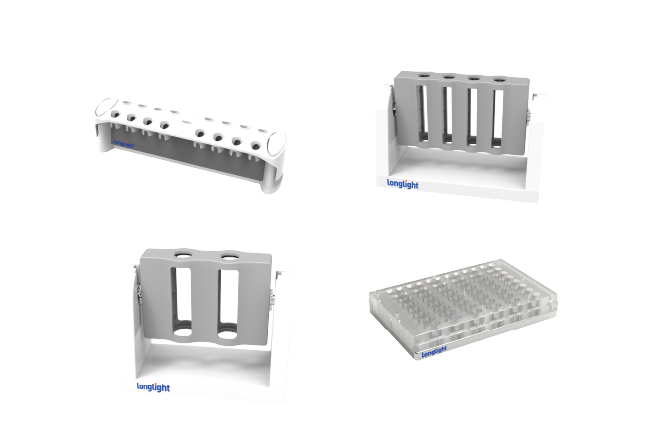
رف تنقية البلازميدات المغناطيسي: كيف يعزز تنظيف العينات بشكل أفضل نجاح سير عمل البلازميدات
2026-03-24غالبا ما يصبح أداء رف تنقية البلازميدات المغناطيسي العامل الخفي وراء فشل التكرارات، والتعافي غير المتسق، وتبطء الاستجابة في سير عمل علم الأحياء الجزيئي. بالنسبة للمشترين الأجانب والموزعين ومديري المختبرات، القضية الحقيقية ليست فقط ما إذا كان الرف يمكنه حمل الأنابيب بجانب المغناطيس. السؤال الأكبر هو ما إذا كان ذلك يساعد الفرق على إزالة الفائق بشكل نظيف، والتحكم في سلوك الخرز، وتقليل فقدان العينات، والحفاظ على اتساق النتائج من مشغل لآخر.
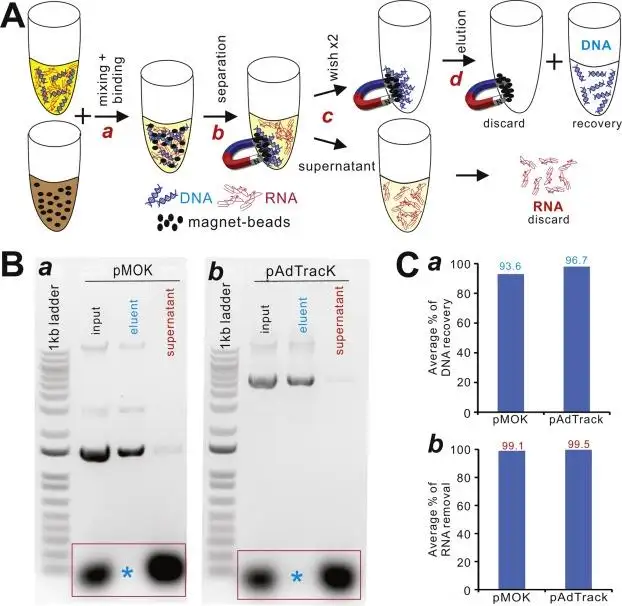
(تطوير طريقة مبسطة ورخيصة لاستنفاد الحمض النووي الريبي
لتنقية الحمض النووي للبلازميدات باستخدام خرز مغناطيسي لتحديد الحجم (SSMBs))
تصبح هذه النقطة الألم أكثر أهمية مع توسع سير العمل المتعلق بالبلازميدات إلى تطبيقات ذات قيمة أعلى. عمليا، يطلب من المزيد من المختبرات وفرق العمليات الحيوية تقديم مواد بلازميد أنظف، وتحسين اتساق الدفعات، وسرعة سير العمل دون زيادة مخاطر إعادة العمل.
عنق الزجاجة الحقيقي ليس دائما في كيمياء الاستخراج
في العديد من المختبرات، يركز النقاش على المخازن، والمجموعات، وكيمياء الخرز. هذه العوامل مهمة، لكن خطوة الانفصال الفيزيائي غالبا ما تكون هي المكان الذي يدخل فيه التباين إلى سير العمل. عندما يكون تجميع الخرزات غير متساو، أو عندما يصعب تصور مناطق السحب المغناطيسية، أو عندما يشعر الوضع المغناطيسي بعدم الارتياح أثناء التعامل المتكرر، قد يفقد المشغلون المواد أثناء خطوات الغسيل والتشطيب. يصبح هذا الفقدان مكلفا بشكل خاص في تحضير البلازميدات، وتنظيف PCR، وتنظيف بناء المكتبات، وغيرها من سير العمل في الأحماض النووية لاحقا حيث يؤثر الاسترداد وقابلية التكرار مباشرة على المرحلة التالية.
وهذا أيضا سبب استمرار سير عمل الخرز المغناطيسي في التقدم. تفيد شركة جراند فيو ريسيرش أن قطاع الخرزات المغناطيسية احتفظ بأكبر حصة في سوق عزل وتنقية الأحماض النووية في عام 2025، بنسبة 41.36٪. من الناحية العملية، يظهر أن السوق يتجه نحو طرق تحضير العينات التي توفر معالجة أنظف، وتوسع أسهل، وتوافقا أقوى مع روتينات المختبرات الآلية.
ما تظهره الأبحاث الدولية الحديثة
للمختبرات التي تستكشف هذا التحول، تقدم دراسة عام 2025 بعنوان "التحقيق وتحسين كفاءة عزل الحمض النووي باستخدام الجسيمات النانوية المغناطيسية القائمة على الفيريت" التي أجراها ت. ب. جيرزيني وزملاؤه نقطة مرجعية مفيدة لتقييم أدوات الفصل المغناطيسي في سير العمل المتعلقة بالبلاسميدات. بحثت الدراسة في عزل الحمض النووي من الخلايا البكتيرية وأفادت بأن كلا من حمض البلازميد النووي والحمض النووي الجيني يمكن استخراجه بنجاح باستخدام جسيمات نانوية مغناطيسية قائمة على الفيريت.
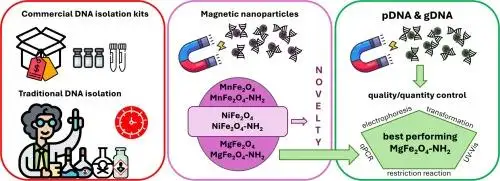
(التحقيق وتحسين كفاءة عزل الحمض النووي باستخدام الجسيمات النانوية المغناطيسية القائمة على الفريت
ما يجعل هذه الدراسة ذات صلة خاصة هو أن الفريق لم يفحص الانفصال المغناطيسي بشكل منفرد. قارنوا بين طرق الاستخراج التقليدية، والطرق المعتمدة على الجسيمات النانوية المغناطيسية، والأساليب القائمة على الأعمدة، مما يمنح المشترين رؤية أكثر عملية لكيفية أداء سير العمل المغناطيسي في بيئات المختبر الحقيقية.
من بين أكثر الدروس فائدة من الدراسة كانت ما يلي:
• أظهر الفصل القائم على الجسيمات النانوية المغناطيسية قدرة صلبة على استعادة الحمض النووي
• أدت الطريقة أداء جيدا من حيث جودة الحمض النووي والكمية
• وصف سير العمل بأنه خيار فعال من حيث التكلفة لعزل الحمض النووي
• عززت المقارنات مع الطرق القائمة على الأعمدة حجة الفصل المغناطيسي
• تشير الدراسة إلى أن سير العمل المغناطيسي أصبح جزءا من الممارسات المخبرية السائدة بدلا من أن يبقى حلا متخصصا
بالنسبة لفرق المشتريات وشركاء القنوات، هذا مهم لأنه يشير إلى تحول سوق أوسع بدأ يتشكل. لم يعد الفصل المغناطيسي مجرد مسألة راحة. يرتبط بشكل متزايد ب:
• تحسين كفاءة سير العمل
• معالجة عينات أكثر قابلية للتوسع
• تحسين إمكانات التعافي
• تحكم أقوى في التكاليف في تنقية الأحماض النووية الروتينية
لماذا تصميم الرفوف المغناطيسية أكثر أهمية مما يتوقعه العديد من المشترين
غالبا ما يعامل الرف المغناطيسي كملحق بسيط. في الواقع، يؤثر على عدة جوانب من جودة سير العمل:
• جودة جمع الخرز: المجال المغناطيسي الموحد والمستقر يساعد في خلق مناطق التقاط خرزات متوقعة
• التحكم في الاسترداد: رؤية واضحة للخرزات تسهل إزالة أو الاحتفاظ بالفائق دون إزعاج الحبيبات
• التكرار: تقليل تجمع الخرز يدعم أداء أكثر اتساقا داخل الدفعة وبين الدفعات
• راحة المشغل: التعامل المريح مهم في المختبرات التي تعالج عشرات أو مئات العينات يوميا
• مرونة سير العمل: التوافق عبر حجم الميكرو إلى الأنابيب الأكبر يساعد في توحيد الإجراءات عبر التطبيقات
تتماشى هذه النقاط مع الإرشادات الفنية الأوسع في تنقية الخرزات المغناطيسية، حيث تعتبر إمكانات الأتمتة، وقابلية التوسع، وتقليل التلوث المتقاطع كمزايا رئيسية مقارنة بسير عمل الفصل المعتمد على الغشاء أو الراتنج.
كيف تدعم تقنية Longlight سير عمل البلازميدات الأكثر موثوقية
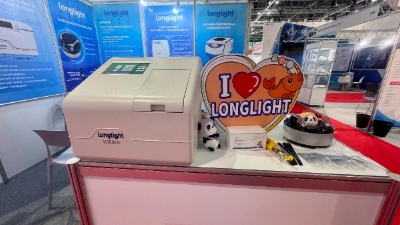
بالنسبة لفرق المشتريات التي تركز على التنفيذ العملي بدلا من النظريات، تضع شركة Longlight Technology رف تنقية البلازميدات المغناطيسي الخاص بها حول مشاكل سير العمل التي تواجهها المختبرات فعليا.
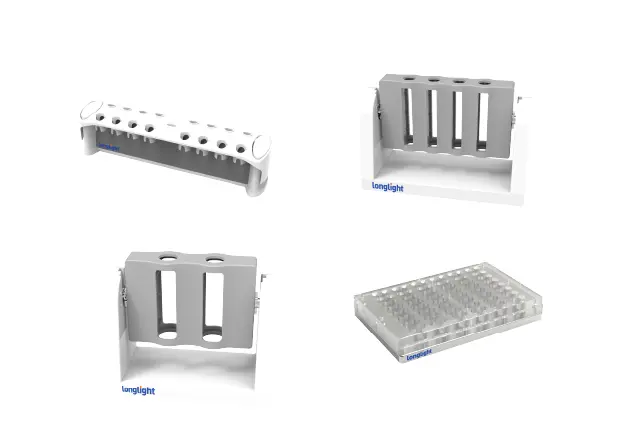
وفقا لمعلومات المنتج، تستخدمه تقنية لونغلايت المغناطيسات الدائمة عالية الأداء لدعم الفصل اللطيف عبر الأنابيب للأهداف الموسومة مغناطيسيا مثل الأحماض النووية والبروتينات والخلايا. يشمل تركيز تصميمها:
• مجال مغناطيسي منتظم ومستقر لجذب الخرزات بشكل متوقع
• تجميع خرز مغناطيسي منخفض لتقليل مشاكل التعامل المتعلقة بالتكتلات
• استعادة عالية ونتائج متسقة مع فقدان أقل للمواد وتحكم أكثر إحكام في الذاكرة الكيميائية
• رؤية ممتازة وتحكم في العينات لإزالة الفائق بدقة أكبر
• تحديد المواقع المريحة لتقليل إرهاق المشغل أثناء المعالجة المتكررة
• توافق الحجم الواسع من 5 ميكرولتر إلى 50 مل، يشمل أنابيب PCR الشائعة، وأنابيب الطرد المركزي الدقيقة، والأنابيب المخروطية، وصيغ الزراعة المختارية المختارية
وهذا مهم لأن العديد من المختبرات لا تشغل بروتوكول بلازميد واحد بشكل معزول. قد تنتقل بين استخراج الحمض النووي الريبي/الحمض الريبي، وتنقية PCR، وتنظيف المكتبات، وإثراء البروتينات، وفصل الخلايا في نفس المنشأة. يمكن لمنصة رف مغناطيسية متوافقة مع عدة صيغ أنابيب ونطاقات حجم تبسيط عملية الشراء والمساعدة في خلق بيئة سير عمل أكثر ترابطا وأقل تجزأة.
حيث يخلق هذا a ميزة واضحة على الطرق التقليدية
مقارنة بالمناولة التقليدية القائمة على الأعمدة، يمكن أن يجلب الرف المغناطيسي عالي الجودة عدة نقاط تشغيلية:
• تقليل الخطوات المدفوعة بالطرد المركزي في سير العمل
• تسهيل الدمج في العمليات المخبرية الروتينية وشبه الآلية
• تقليل خطر إزعاج حبيبات الخرزات عند إزالة الفائق
• تحكم بصري أقوى أثناء مراحل الغسل والاستلقاء
• توسيع أكثر كفاءة من التطبيقات منخفضة الحجم إلى مهام معالجة العينات الأكبر
بالنسبة للعديد من مشتري المختبرات الدوليين وشركاء القنوات، هذا هو المنطق العملي وراء قرار الشراء. هم لا يشترون فقط أداة فصل. هم يشترون استقرار سير العمل، واتساق المشغلين، وفقدان عينات أقل قابلية للتجنب.
لماذا هذا مهم fأو المشترون أناn 2026
مع استمرار توسع سير عمل إنتاج البلازميدات، ودعم العلاج الجيني، والاستنساخ، والتحضير للتسلسل، أصبحت المختبرات تحت ضغط متزايد لتوحيد معالجة العينات. يبحث المشترون بشكل متزايد عن أجهزة تدعم أداء المجموعة بدلا من أن تقوضها. لهذا السبب يجب تقييم الرف المغناطيسي ليس فقط من حيث قوة المغناطيس، بل أيضا من حيث مدى دعمه للرؤية، والراحة النفسية، والتعافي، والتوافق عبر الاستخدام اليومي في المختبر.
بالنسبة للفرق التي ترغب في سير عمل أكثر تحكما مع الخرزات المغناطيسية، يلبي Longlight Technology Longlight Laser Magnetic Rack بحاجة عملية جدا: مساعدة المختبرات على تحويل كيمياء الخرز المغناطيسي إلى نتائج تنقية البلازميدات أنظف وأكثر تكرارا وأسهل في الإدارة.
