

الوظائف ذات الصلة
جهاز القص بالموجات فوق الصوتية للحمض النووي: كيف يحسن MALDI-TOF الكشف عن الميكروبات التي يصعب تحليلها
2026-03-23أصبح جهاز القص بالموجات فوق الصوتية للحمض النووي ذا صلة كبيرة تتجاوز علم الجينوم، لأن نفس المشكلة الأساسية تحد أيضا من استخراج البروتينات الميكروبية: عندما يكون اضطراب العينة غير منتظم، حتى سير عمل MALDI-TOF القوي قد يفقد السرعة والثقة وعمق التعريف قبل أن يتم توليد الطيف. لقد غير متلازمة مالدي-توف بالفعل علم الأحياء الدقيقة السريري من خلال تقليل وقت التعرف مقارنة بسير العمل الكيميائية الحيوية التقليدية، لكن الكائنات الصعبة مثل البكتيريا الفطرية، ونوكارديا، والفطريات الخيطية لا تزال تكشف عن نقطة ضعف في العديد من المختبرات: المعالجة المبدئية غالبا ما تكون يدوية جدا، ومتفاوتة جدا، وتعتمد بشكل كبير على مدخلات الكتلة الحيوية الكبيرة.
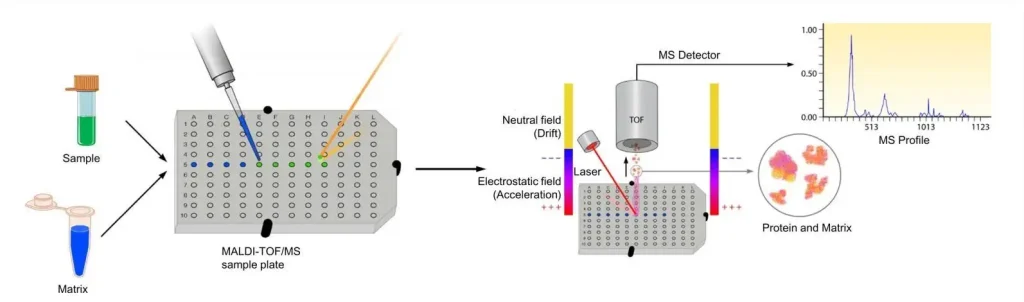
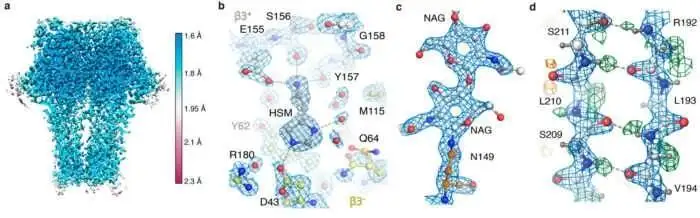
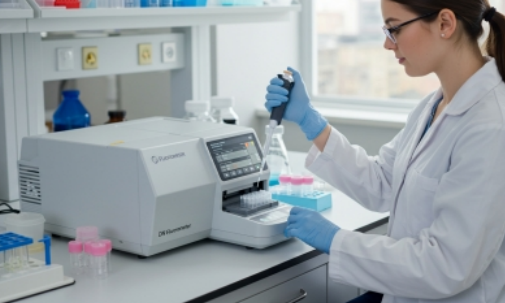
(مطياف الكتلة مالدي-توف - بروتيوميات إبداعية)
عنق الزجاجة الحقيقي ليس tآلة مالدي-توف
بالنسبة للعديد من المشترين من الخارج، لم يعد سؤال الشراء هو ما إذا كان MALDI-TOF سريعا. الأمر يتعلق بما إذا كان سير العمل في البداية يمكنه تحضير عينات صعبة بسرعة كافية، وأمان كافي، وبشكل متكرر بما يكفي ليتيح للمنصة تقديم قيمتها الحقيقية. توضح المراجعات الحديثة لمطياف الكتلة السريري في علم الأحياء الدقيقة هذه النقطة: أصبح MALDI-TOF الآن تقنية تعريف ناضجة، ومع ذلك لا يزال تحضير العينات أحد العوامل الأكثر حسما التي تؤثر على الأداء الروتيني، خاصة في الكائنات المعقدة أو التي يصعب تعطيلها التأثير.
هذه المشكلة أكثر أهمية في اختبارات الفطريات. تظهر أحدث تقارير منظمة الصحة العالمية حول السل أن السل لا يزال عبئا تشخيصيا دوليا كبيرا، مما يعني أن التعامل الأسرع والأكثر موثوقية مع الكائنات لا يزال مهما على نطاق واسع. وفي الوقت نفسه، لا تزال التعرف على الفطريات والعفن تدرج ضمن الحالات الأكثر تحديا لاستخدام MALDI-TOF في المختبرات الروتينية.
لماذا لا تزال الكائنات التي يصعب تحليلها تقلل من ثقة الكشف
في الواقع، تخلق الكائنات الدقيقة الصعبة سلسلة مألوفة من المشاكل:
• هناك حاجة إلى كمية زائدة من مادة المستعمرة للحصول على كمية كافية من البروتين القابل للاستخراج
• الإيثانول أو حمض الفورميك أو الأسيتونيتريل أو سير عمل الخرز تضيف خطوات ووقت التعامل
• فتح الأنابيب المتكرر يزيد من خطر التلوث وتعرض المشغلين
• المعالجة اليدوية المبدئية تخلق تباين من الركض إلى المسار
• الإفراز الضعيف أو غير الكامل للبروتين يمكن أن يقلل من ثقة التعرف على التعرف
هذه ليست إزعاجات بسيطة. تؤثر على معدل الإنتاج، والسلامة البيولوجية، والعائد الاقتصادي لمنصة MALDI-TOF نفسها. أظهرت ورقة بحثية عام 2025 أجراها أ. م. بازي وزملاؤه أن التعرف المباشر على أنواع البكتيريا المتفطرة باستخدام وسط السائل MGIT حقق دقة إجمالية بلغت 88.6٪. ومع ذلك، أشارت الدراسة إلى أن هناك حاجة إلى مزيد من التحسين لتحسين النتائج للأنواع النادرة. وهذا إشارة مفيدة لفرق الشراء: المجال يتقدم، لكن تحسين الاضطراب والاستخراج في الواجهة الأمامية لا يزال مهما.
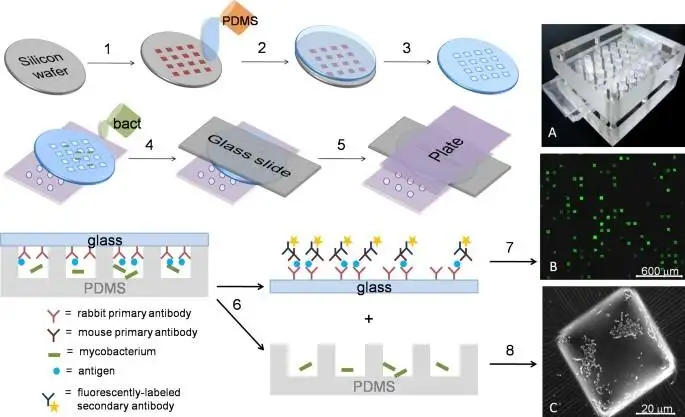
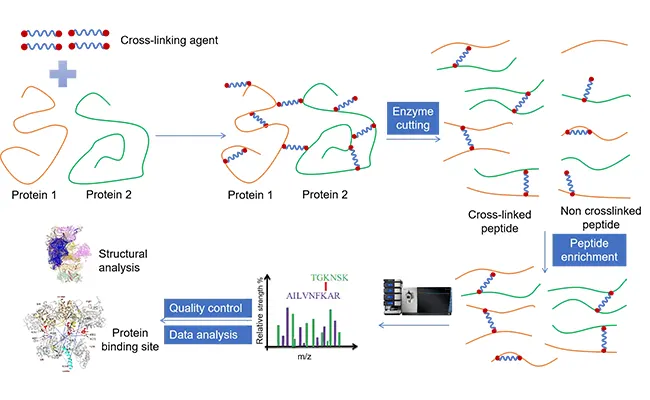
(التعرف السريع وفحص حساسية الدواء لميكروبكتيريا ESAT-6 المفرزة بواسطة اختبار NanoELIwell)
دراسة ثانية في 2025 بواسطة Ö. ركز دوغان وزملاؤه على الفطريات الخيطية وأظهروا أن اختيار سير العمل لا يزال له تأثير كبير على النتائج. أفاد تحليلهم المقارن أن سير عمل فعال للوقت يجمع بين تحسين ظروف الاستخراج واختيار قاعدة البيانات بلغ دقة 94.1٪ للفطريات الخيطية، مما يبرز مدى اعتماد أداء التعرف بشكل كبير على استراتيجية التحضير وليس على علامة الأدوات فقط.
كيف تساعد تقنية لونغزلايت في سد هذه الفجوة في سير العمل
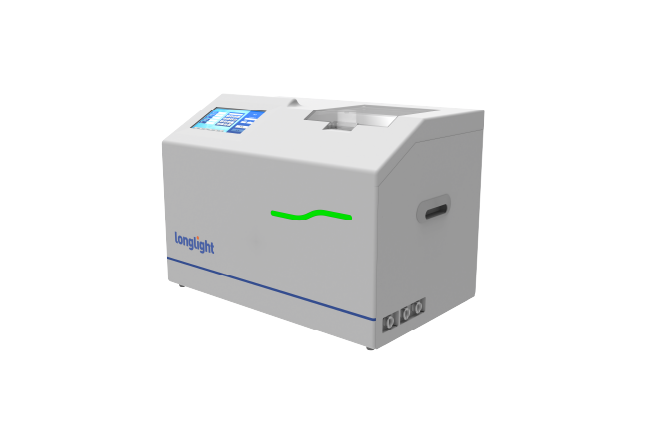
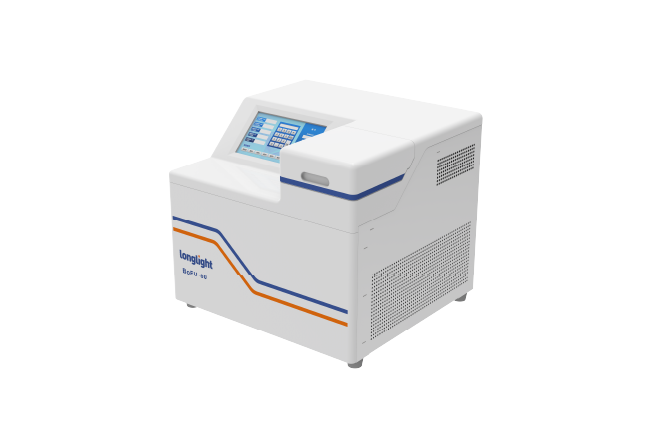
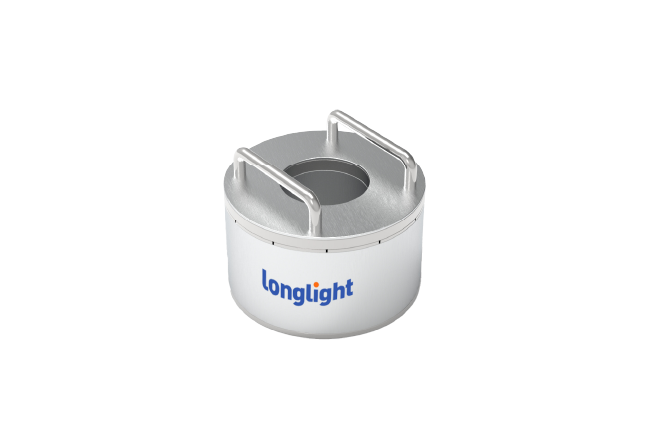
هنا تصبح تقنية لونغلايت ذات أهمية استراتيجية. تم تصميم نهجه المركز في الموجات فوق الصوتية لتحسين معالجة العينة قبل الفحص من خلال تركيز الطاقة الصوتية بدقة في منطقة العينة بدلا من تشتتها بشكل واسع كما هو الحال مع السونيكات التقليدية في حمامات الماء أو الاعتماد على أنظمة المجس ذات التلامس المباشر. من الناحية العملية، يدعم ذلك تسريع اضطراب الخلايا، واختراق أفضل للمستخلصات، وإطلاق بروتين أكثر كفاءة من الكائنات الحية التي يصعب تفكيكها. النتيجة ليست فقط السرعة. إنه مسار أكثر تحكما للوصول إلى طيف قابلة للاستخدام.
بالنسبة للمختبرات التي تعمل مع مستعمرات بكتيرية صعبة، أو الميكروبكتيريا، أو نوكارديا، أو الأبواغ، أو الفطريات الخيطية، تقدم تقنية لونغلايت عدة مزايا في سير العمل:
• معالجة الأنابيب المغلقة التي تقلل من تكرار فتح الغطاء
• معالجة مسبقة أسرع، مع اكتمال الموجات فوق الصوتية في حوالي 60 ثانية وانتهاء سير العمل الكامل في أقل من 5 دقائق حسب وصف المنتج
• استخراج مفيد من مدخلات كتلة حيوية صغيرة جدا، بما في ذلك 1–2 مستعمرة فقط في بعض الكائنات التي يصعب تحليلها
• معالجة حمامات الماء غير التلامسية ومتساوية الحرارة تساعد في تقليل التباين المرتبط بالحرارة
• مخرجات أكثر توحيدا من خلال توصيل صوتي معاير وتحكم في درجة الحرارة
تتوافق هذه المزايا بشكل وثيق مع ما تشير الأدبيات الحالية إلى أن المختبرات لا تزال بحاجة إليه: تقليل التنوع اليدوي، وتقليل المعالجة المسبقة التي تعتمد على المشغل، وثبات أفضل عبر الروتينات.
لماذا يعتبر التصوير بالموجات فوق الصوتية المركز أكثر عملية من طرق الاضطراب التقليدية
لا تزال طرق المعالجة المبدئية التقليدية فعالة، لكنها غالبا ما تجبر المختبرات على استبدال مشكلة بأخرى. يمكن أن يسبب فحص الموجات فوق الصوتية مخاوف من التلوث والتعرض غير المتساو إذا لم يتم التحكم بدقة في سير العمل. طرق الحمام المائي قد تفقد كفاءة الطاقة. يمكن أن يكون الاستخراج الكيميائي متعدد الخطوات فعالا، لكنه يزيد من عبء التعامل ويطيل وقت الاستجابة. بالنسبة لمديري المشتريات ومديري المختبرات، يصبح هذا مركزا مخفيا للتكليف: المزيد من العمالة، المزيد من إعادة التدريب، المزيد من العمل المتكرر، والمزيد من عدم اليقين على العينات الصعبة.
تقنية Longlight'تصميم الموجات فوق الصوتية المركز يغير هذه المعادلة بجعل توصيل الطاقة أكثر محلية وقابلية للتكرار. بدلا من الاعتماد على صيغ الاضطراب الأقل تحكما في الصور، يمنح المختبرات طريقة أكثر توحيدا وقابلية للتوسع لتحضير عينات صعبة.
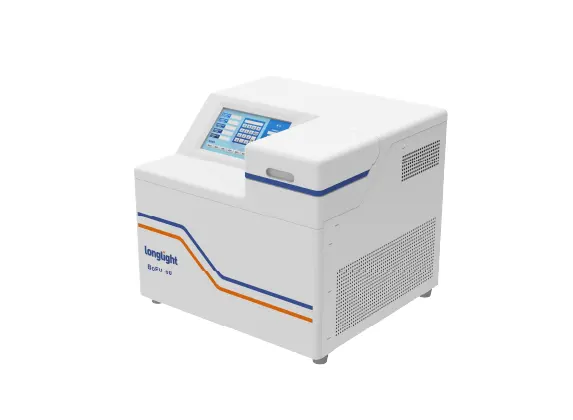
تشمل المزايا الرئيسية:
• المزيد من توصيل الطاقة الصوتية المحلية، مما يساعد على تحسين اتساق المعالجة
• تشغيل الأنابيب المغلقة وغير التلامسية، مما يجعل من السهل توحيد سير العمل بين المشغلين المختلفين
• معالجة محكومة بدرجة الحرارة، وهي أكثر ملاءمة لمهام تحضير الأحماض النووية والبروتينات الحساسة
• تقليل التباين اليدوي، مما يساعد المختبرات على تحسين التكرار في المعالجة الروتينية للعينات
• قيمة تطبيقية أوسع، تسمح لمنصة واحدة بدعم عدة سير عمل مختبر
يمكن استخدام نفس التقنية في:
• تحلل الخلايا
• البروتيومكس
• سير عمل الكروماتين
• قص الحمض النووي النووي/الحمض النووي الريبي
• استخراج FFPE
• تحلل الكائنات الدقيقة الصعبة
بالنسبة للمشترين، يعني ذلك أن استثمارا واحدا في العلاج المسبق يمكن أن يدعم سير العمل التشخيصي والبحث معا. هذا النوع من التنوع ذو قيمة خاصة للمختبرات التي ترغب في تحسين كفاءة سير العمل دون إضافة أنظمة متخصصة متعددة.
ما الذي يجب أن يقيمه المشترون الأجانب حقا
عندما يقارن المشترون الدوليون أنظمة المعالجة المسبقة لسير العمل المتعلق ب MALDI-TOF، فإن السؤال الرئيسي ليس فقط "ما مدى قوة الأداة؟" سؤال أفضل هو: "ما مدى موثوقية تحويل العينة الصلبة إلى مدخل عالي الثقة للتحليل اللاحق؟"
يجب أن يتضمن إطار تقييم قوي:
• الأداء على الكائنات الحية التي يصعب تحللها
• الوقت من المستعمرة إلى المستخلص الجاهز للاختبار
• السلامة البيولوجية في الأنابيب المغلقة ومكافحة التلوث
• متطلبات الإدخال العينة
• قابلية التكرار عبر المشغلات والإزاحات
• المرونة في سير عمل البروتين والأحماض النووية خارج علم الأحياء الدقيقة
لهذا السبب لا ينبغي أن يقتصر النقاش حول جهاز القص النووي بالموجات فوق الصوتية فقط على تجزئة الحمض النووي فقط. في يد مورد مثل Longlight Technology، تصبح الأشعة فوق الصوتية المركزة حلا أوسع لتحضير العينات يدعم العلاج المسبق الأسرع والأكثر أمانا وتوحيدا لأنواع الكائنات الصعبة التي لا تزال تتحدى مختبرات MALDI-TOF حول العالم. قد تولد الأداة في نهاية سير العمل الطيف، لكن المعالجة المسبقة تحدد مدى فائدة علم الأحياء الذي يصل إليه.
