

الوظائف ذات الصلة
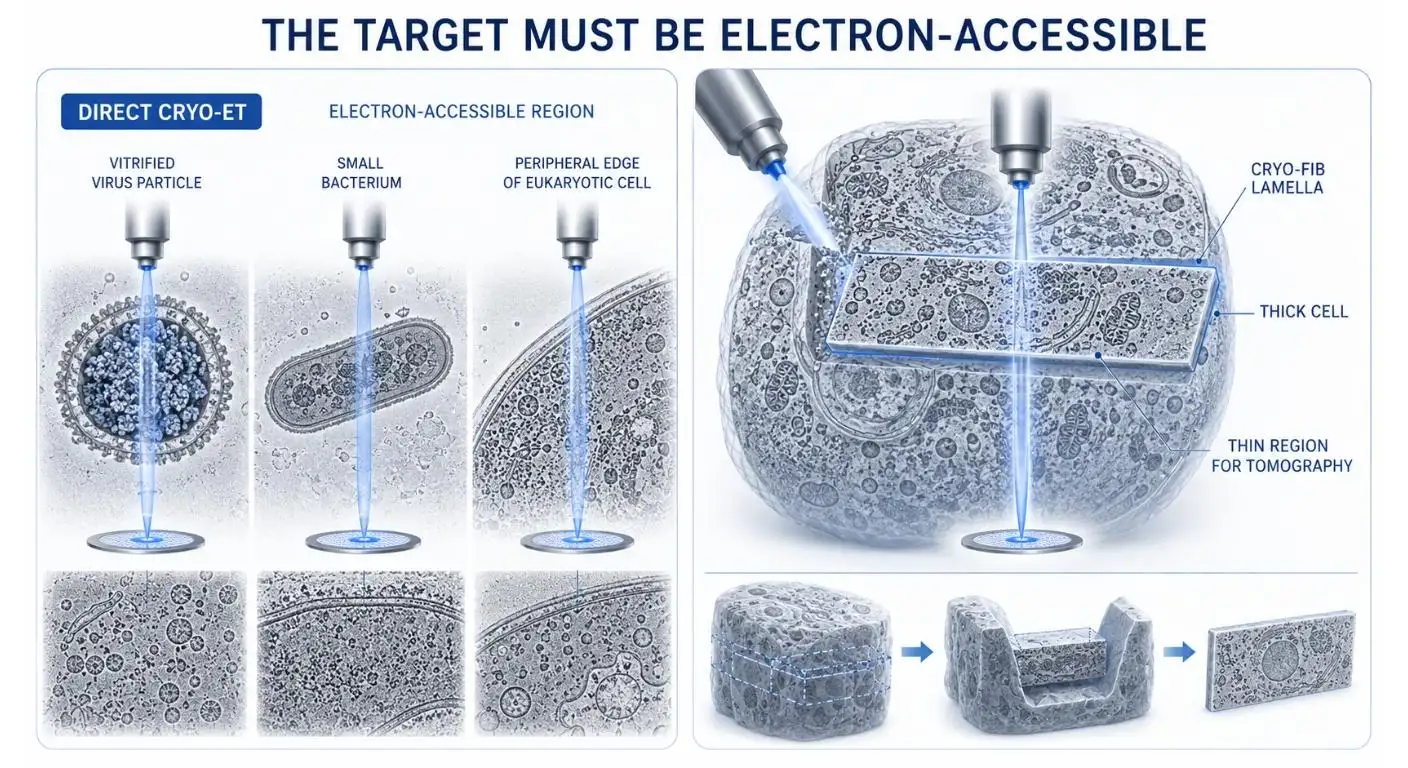
كريو-إم عالي الدقة: كيف تصل مشاريع علم الأحياء الهيكلي إلى خرائط عالية الجودة بشكل أسرع
2026-03-20أصبح Cryo-Em عالي الدقة أحد أهم الأدوات في علم الأحياء البنيوي الحديث، لكن العديد من المشاريع لا تزال تخسر الوقت والميزانية قبل أن تصل إلى خريطة ثلاثية الأبعاد قابلة للنشر. بالنسبة للمشترين الأجانب، وفرق التكنولوجيا الحيوية، ومستخدمي خدمات البحث، غالبا ما يكون عنق الزجاجة الحقيقي ليس الوصول إلى المجهر القوي. ما يمكن للعلماء الوثوق به فيما إذا كان سير العمل قادرا على فحص جودة العينة بشكل موثوق، والسيطرة على المخاطر مبكرا، وإعادة البيانات الكاملة هو ما يمكن للعلماء الوثوق به في التفسير النهائي.
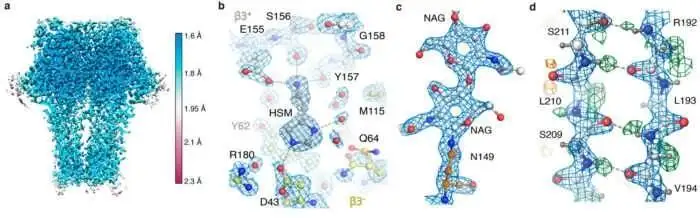
(يكسر العلماء أرقام الدقة القياسية لرؤية ذرات فردية باستخدام جسيم واحد من التجميد الكهرومغناطيسي)
وهذا الأمر مهم أكثر الآن لأن التجميد المغناطيسي لم يعد طريقة متخصصة. وصل بنك بيانات المجهر الإلكتروني إلى 55,737 إدخالا حتى 25 مارس 2026، مما يظهر مدى سرعة توسع التجميد الكهرومغناطيسي عبر علم الأحياء البنيوية، وعلم الفيروسات، واكتشاف الأدوية. وفي الوقت نفسه، تواصل تحليلات السوق الحديثة ربط الطلب على التجميد والEM بالنشاط المتزايد في علم الأحياء البنيوي، وأبحاث اللقاحات، وتطوير الأدوية القائمة على البنية.
نقطة الألم في الصناعة ليست مجرد حل
افتراض شائع في عمليات الشراء هو أن الأجهزة الأفضل تؤدي تلقائيا إلى نتائج هيكلية أفضل. عمليا، هذا غير مكتمل.
العديد من مشاريع التجميد والEM تتباطأ بسبب مشاكل تظهر في وقت مبكر من الخط:
• تباين العينات
• التجمع أو توزيع الجسيمات الضعيف
• منطق فحص ضعيف قبل جمع البيانات المكلف
• دعم المعالجة غير الكامل
• شفافية محدودة في توصيل البيانات والتحقق منها
لهذا السبب بالضبط اكتسبت تقنية التجميد المغناطيسي الكهرومغناطيسي على البلورات بالأشعة السينية في العديد من برامج الأبحاث. يحتاج إلى عينات أقل، ولا يحتاج إلى التبلور، ويحافظ على الجزيئات الحيوية أقرب إلى حالتها الأصلية، ويمكنه التعامل مع أهداف صعبة مثل بروتينات الغشاء، والتجميعات المرنة، والجسيمات الفيروسية. هذه المزايا راسخة جيدا، لكنها لا تترجم إلى نجاح حقيقي في المشروع إلا عندما يكون سير العمل في الخدمة منضبطا منذ أول خطوة تصفية.
تظهر الأبحاث الحديثة سبب أهمية سير العمل الأفضل للواجهة الأمامية
أحدث الدراسات الدولية توضح هذه النقطة بوضوح.
في عام 2025، أبلغ ويلي دبليو. صن، دينيس جي. ميشالاك، جاستن دبليو. تاراسكا وزملاؤهم عن خط أنابيب تصوير مقطعي بالإلكترونات المجمدة لأحشاء البلازما في مجلة Nature Communications. تناول العمل واحدة من أصعب المشكلات في المجال: تصوير بروتينات الغشاء في السياقات الخلوية الأصلية. أشار تحليل ذي صلة من Nature Reviews للهندسة الحيوية إلى أن التجميد الغشائي البلازما لا يزال تحديا لأن العينات يجب أن تكون أرق من 300 نانومتر، بينما يمكن أن تكون طرق التخفيف الشائعة منخفضة الإنتاج ولا تزال تنتج دقة محدودة. بعبارة أخرى، تعتمد الدراسات المتقدمة للتجميد المغناطيسي بشكل كبير على استراتيجية تحضير العينات وجودة الفحص، وليس فقط على الوصول إلى المجهر.
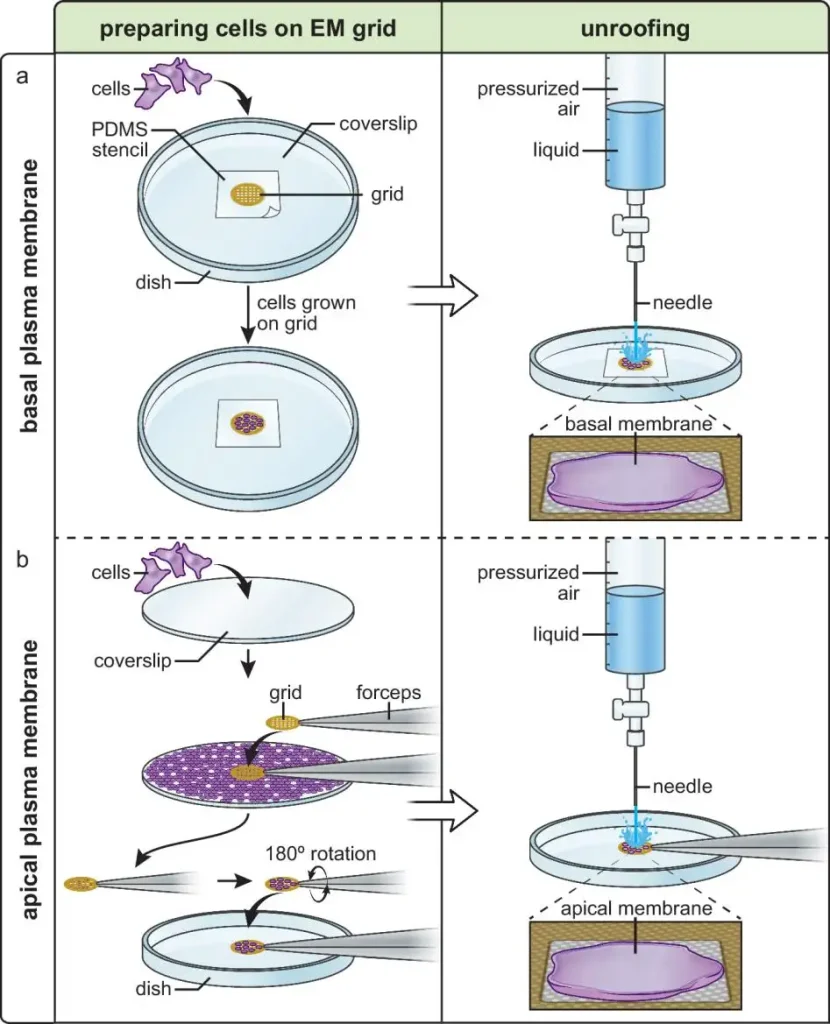
(خط أنابيب التصوير المقطعي بالإلكترون التجميد لأغشية البلازما | نيتشر كوميونيكيشنز)
مثال قوي آخر جاء من دانيال ب. هاك وزملاؤه في مجلة Nature Communications. أظهرت دراستهم لعام 2025 حول تحديد بنية الحمض النووي الريبي عالي الدقة باستخدام سقالات، حيث أظهرت أن أهداف RNA الصغيرة والتي كانت صعبة سابقا يمكن حلها عند 2.5 آنغروم عند تصميم سير العمل بشكل صحيح. الورقة مهمة للمشترين لأنها تبرز درسا تجاريا جوهريا: العديد من "الأهداف الصعبة" ليست أهدافا مستحيلة. تتطلب تصميما تجريبيا أفضل، ومنطق فحص أفضل، ودعم إعادة بناء أفضل في مرحلة ما بعد التيار.
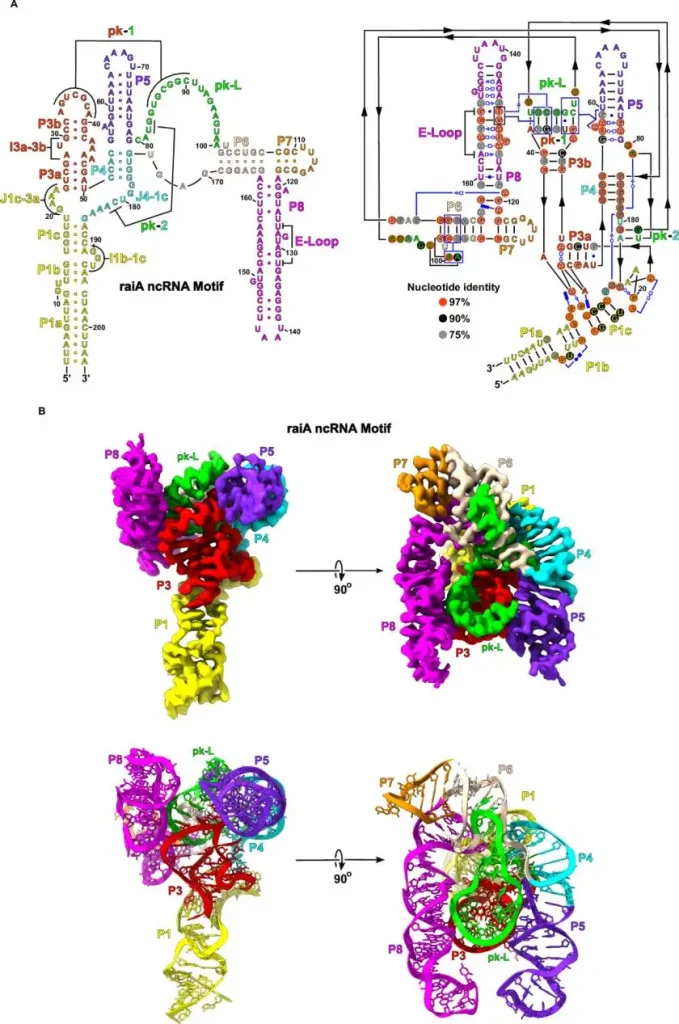
(تحديد بنية التجميد الكهرومغناطيسي عالية الدقة المدعومة بالسقالات لتركيب RNA | نيتشر كوميونيكيشنز)
تعكس هذه الدراسات ما تشعر به العديد من المختبرات عمليا: التحدي في Cryo-Em عالي الدقة لم يعد يقتصر على قوة التصوير. إنها موثوقية سير العمل من استلام العينة إلى التحقق من الخريطة.
حيث تتناسب تقنية الإضاءة الطويلة مع هذه الحاجة
بالنسبة لمجموعات البحث والمستخدمين التجاريين، تعالج شركة لونغلايت تكنولوجي هذه الفجوة من خلال التنظيم خدمات التجميد والEM حول التحكم في المخاطر، واتخاذ القرار بشكل مرحلي، والشفافية الكاملة للنتائج.
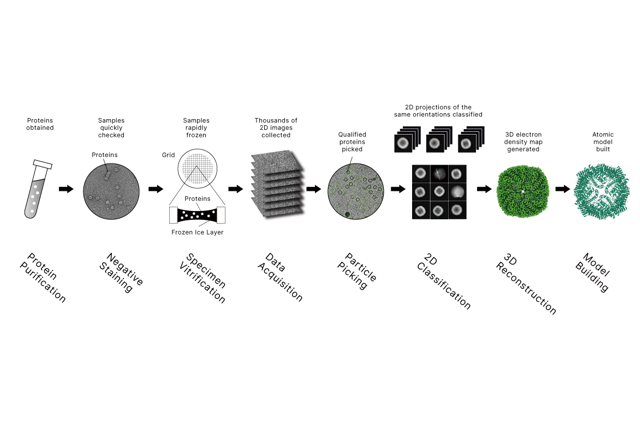
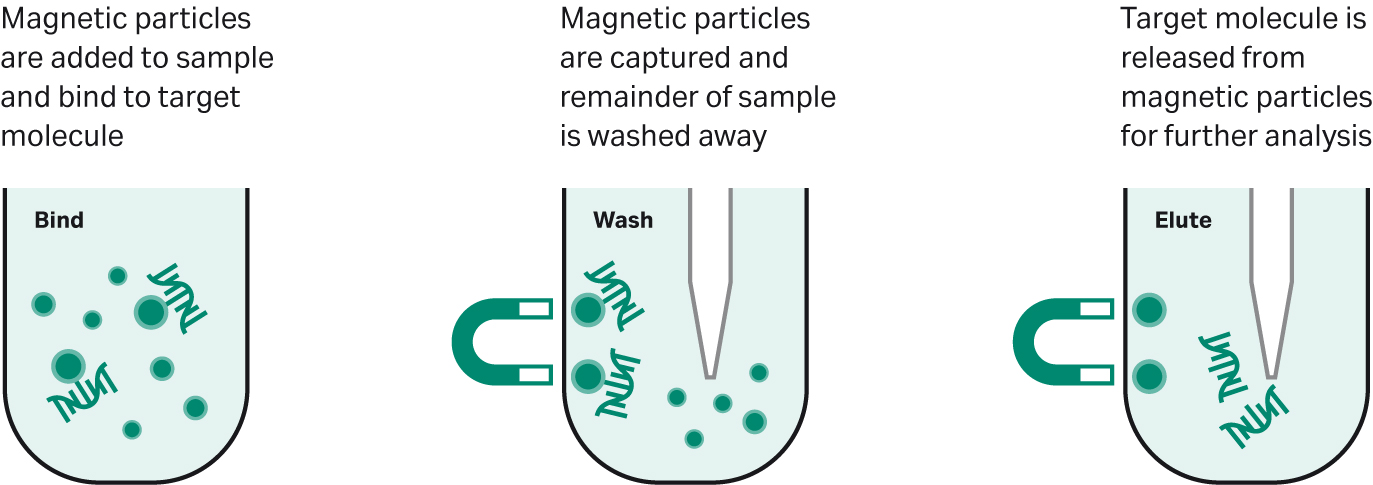
بدلا من الدخول مباشرة إلى جمع مكلف عالي الدقة، يبدأ لونغلايت بتقييم ملاءمة العينات من خلال فحص البقع السلبية. يساعد ذلك في تقييم التجانس، والتجميع، والشكل، والحجم، والتوزيع قبل تخصيص المزيد من الموارد. بالنسبة للمشترين، هذا النهج ذو قيمة لأنه يقلل من وقت الأدوات القابلة للتجنب ويقلل من فرصة نقل عينات ضعيفة إلى مرحلة اقتناء مكلفة.
من هناك، يدعم لونغلايت مسارين هيكليين رئيسيين:
• تحليل الجسيمات المفردة لإعادة البناء عالية الدقة
بالنسبة للبروتينات القابلة للذوبان، وبروتينات الغشاء، والتجمعات فوق الجزيئية، يدعم لونغزلايت سير عمل جسيم واحد يحول مجموعات كبيرة من إسقاطات الجسيمات ثنائية الأبعاد إلى خرائط كثافة ثلاثية الأبعاد، وعند الاقتضاء، نماذج ذرية محسنة. وهذا مهم بشكل خاص للفرق التي تعمل على البيولوجيات، وبرامج الأجسام المضادة، والأهداف الفيروسية، والاكتشاف الموجه بالبنية.
• التصوير المقطعي بالتبريد الإلكتروني للسياق الأصلي
عندما يكون سؤال البحث مكانيا وليس بناء على البنية المعزولة فقط، يوفر التجميد المبكر مسارا أفضل. وهو مناسب للمركبات المرتبطة بالغشاء، ودراسات العدوى الفيروسية، والتجمعات البيولوجية الكبيرة في السياقات الأصلية. وهذا يجعله خيارا قويا لمشاريع مشابهة لأعمال الغشاء البلازمي لعام 2025 التي نوقشت أعلاه.
لماذا هو أقوى من المسارات الهيكلية التقليدية
مقارنة بسير عمل الهيكل التقليدي، يقدم نموذج خدمة التجميد الناضج مزايا عملية يهتم بها المشرون الأجانب:
• لا حاجة للتبلور، مما يقلل من التأخيرات للأهداف الصعبة
• الحفاظ على السكان الأصليين تقريبا، مما يدعم التفسير البيولوجي ذو الصلة
• تحليل تباين التكوين، مفيد للمركبات الديناميكية
• تقليل عبء العينات، خاصة القيمة للمواد الثمينة
• توافق أوسع للأهداف، بما في ذلك البروتينات الغشائية والتجمعات الفيروسية
يعزز لونغزلايت هذه المزايا الطبيعية للتجميد الكهرومغناطيسي من خلال إضافة فوائد على مستوى الخدمة غالبا ما يتم تجاهلها في مقارنات الموردين: تسليم البيانات الكامل، ملفات المعالجة الوسيطة، خرائط الكثافة النهائية، نماذج الإحداثيات الذرية عند الاقتضاء، ومخرجات التحقق مثل التقييمات المتعلقة ب MolProbity. هذا المستوى من الشفافية مهم لفرق البحث التي تحتاج إلى مراجعة داخلية، ودعم للنشر، وتوثيق الملكية الفكرية، أو التعاون بين عدة مواقع.
معيار شراء أكثر عملية fأو خدمات Cryo-EM
بالنسبة لمديري المشتريات وصناع القرار التقنيين، السؤال الأفضل ليس ببساطة: "من لديه إمكانية الوصول إلى أجهزة التجميد-EM المتقدمة؟" السؤال الأفضل هو: "من يمكنه تقليل مخاطر الفشل عبر المشروع بأكمله؟"
يجب أن يكون شريك Cryo-Em عالي الدقة موثوقا قادرا على تقديم:
• فحص جودة العينة قبل الالتزام بالأجهزة الرئيسية
• سير العمل الواضح من الاستشارة حتى التقرير النهائي
• دعم كل من الفحص وإعادة البناء عالية الدقة
• قدرة Cryo-ET لأسئلة علم الأحياء في الموقع
• توصيل بيانات كامل ومحمول لإعادة الاستخدام طويل الأمد
هنا تبرز تقنية لونغلايت الصغيرة. من خلال الجمع بين الفحص المنظم، وسير عمل التجميد المتقدم، ودعم المعالجة المتمرس، والشفافية الكاملة للنتائج، يساعد فرق البحث على الانتقال من عينات غير مؤكدة إلى بيانات هيكلية جاهزة للقرار بكفاءة أكبر.
في سوق علم الأحياء الهيكلي اليوم، هذه هي الميزة التنافسية الحقيقية. الدقة العالية لا تزال مهمة، لكن الفرق التي تصل إليها أسرع عادة ما تكون هي التي تدير سير العمل بشكل أفضل منذ اليوم الأول.
