

الوظائف ذات الصلة
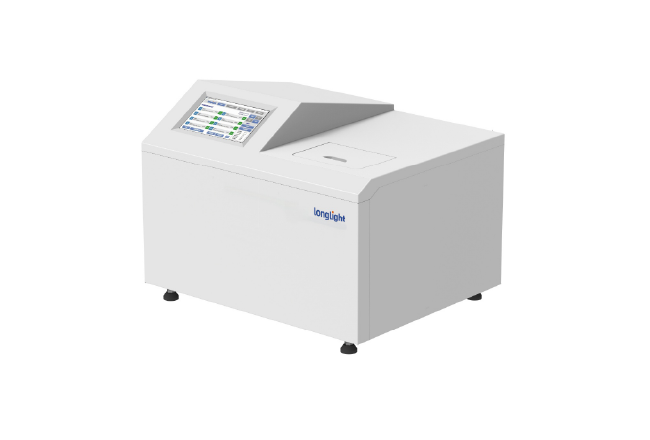
الموجات فوق الصوتية المركزة لأنسجة النبات: لا تزال الوحدات متعددة الأوميكس في النبات تبدأ بمشكلة تحضير العينة
2026-03-19أصبح جهاز الموجات فوق الصوتية المركز لأنسجة النبات أكثر أهمية في علم الجينوم وعلم الجينوم النباتي لأن العديد من المختبرات لم تعد تواجه صعوبة في الوصول إلى التسلسل أولا—بل تكافح لمعرفة ما إذا كان يمكن معالجة عينات النباتات القوية والمتغيرة إلى مدخلات نظيفة وقابلة للتكرار لسير العمل في التسلسل، وتسلسل ChIP-seq، والاستخلاص.
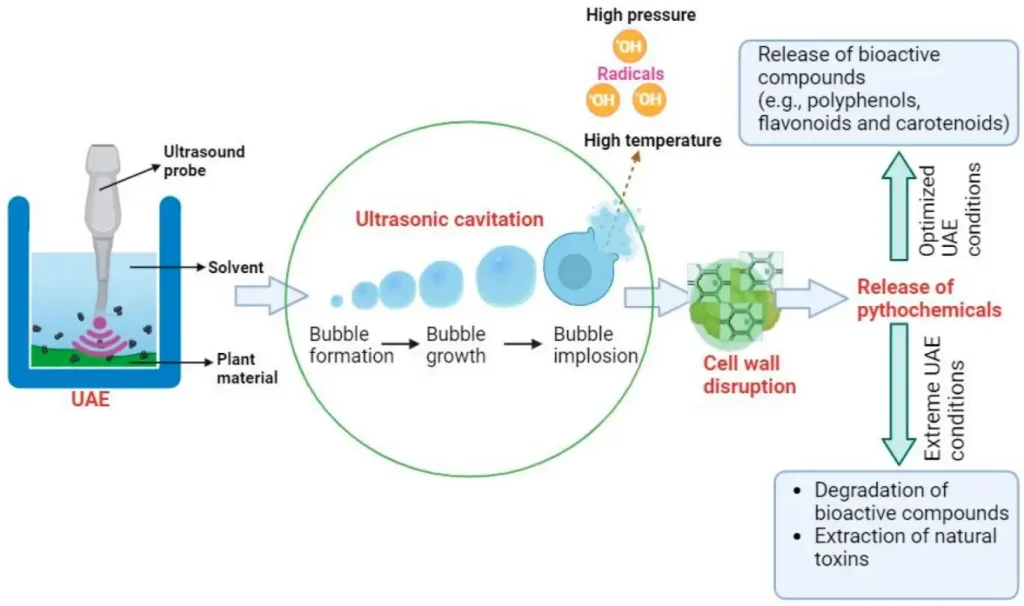
(نظرة عامة وتقييم سمية استخراج المكونات الطبيعية من النباتات بمساعدة الموجات فوق الصوتية)
هذا العنق الزجاجي مهم أكثر مما يتوقعه العديد من المشترين. الأوراق والسيقان والأنسجة التناسلية والمواد النباتية المعالجة بالإجهاد ليست عينات سهلة. جدران الخلايا صلبة. المستقلبات الثانوية تتداخل مع الاستخلاص. تراكم الحرارة أثناء التعطيل يمكن أن يضر الأحماض النووية أو يشوه قوام التيارات في النهاية. في المختبرات البحثية المزدحمة أو برامج التربية التجارية، تظهر هذه المشاكل في ضعف التكرار، وعدم اتساق حجم الشظايا، وفشل المكتبات، وقضاء وقت أكثر في إعادة تشغيل العينات بدلا من تحليل البيانات.
لماذا يبقى تحضير الأنسجة النباتية a نقطة الألم
تعد سير عمل النباتات متطلبا بشكل فريد لأن التباين في العينات مدمج في علم الأحياء. لا تتصرف شتلة أرابيدوبسيس الصغيرة، أو مقطع الساق المثقف، أو عينة نسيج تناسلي بنفس الطريقة أثناء الاضطراب أو معالجة الكروماتين. وهذا يجعل الأساليب اليدوية أو المعتمدة على التلامس أو المعرضة للحرارة محفوفة بالمخاطر بشكل خاص.
وصفت دراسة أجريت عام 2024 قدمت تقنية PHILO (مدخلات الإنتاجية العالية للنباتات LOw) ChIP-seq، بقيادة أ. شودهاري وزملاؤها، أن تحليل كروماتين النبات نفسه هو تحد للتوسع وأشارت إلى أن طرق ChIP-seq النباتية الراسخة يصعب توسيعها بسبب حجم العينات الكبير وعبء التجزئة المرتبط. تم تصميم منصتهم لمعالجة أكثر من 100 عينة بالتوازي، مع مكاسب في قابلية التوسع، ومتطلبات إدخال أقل، وسهولة الاستخدام، وكفاءة في التكلفة مقارنة بسير العمل التقليدي.
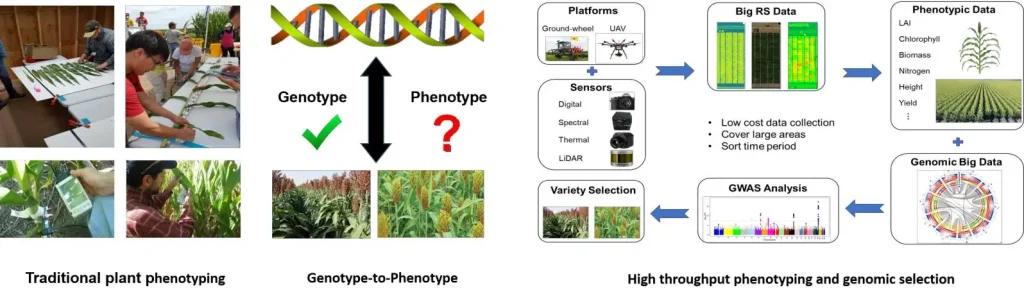
(تنميط نبات عالي الإنتاجية)
لهذا السبب بالذات أهمية أجهزة تعطيل العينات والتجزئة. عندما تنمو سير عمل المصانع عالي الإنتاجية، غالبا ما تنتقل نقطة الضعف إلى الأعلى:
• اضطراب غير منتظم في الأنسجة
• التباين بين المشغل
• خطر التلوث في أنظمة الاتصال المباشر
• الضرر الحراري أثناء المعالجة الممتدة
• تخطيطات مختبرات مجزأة تتطلب تبريدا خارجيا وتحكم في الكمبيوتر الشخصي
هذه ليست مشاكل بسيطة تتعلق بالراحة. تؤثر على مصداقية البيانات، وتخطيط النقل، وإجمالي تكلفة التشغيل.
ماذا تقوله الأبحاث الحديثة عن تحسين معالجة عينات النباتات
أحد المراجع المفيدة يأتي من دراسة استخلاص الحمض النووي للنباتات نشرت في مجلة تطبيقات في علوم النبات بواسطة أليكسا ستتينيوس والمؤلفين المشاركين. قام الفريق بتقييم الاستخلاص المركز بالموجات فوق الصوتية (FUSE) على أنسجة أوراق الكستناء الأمريكي، والتوليب بوبلار، والقيقب الأحمر، والبلوط الكستنائي. أبلغوا عن استخراج الحمض النووي خلال 9–15 دقيقة، مقابل 30 دقيقة لطرق السحب الضابطة، وأظهروا أن الحمض النووي المفرج مناسبا للتضخيم والتسلسل من الجيل التالي. في نوعين، كان إنتاج الحمض النووي أعلى بكثير من سير عمل التحكم.
إشارة قوية أخرى تأتي من جانب علم الوراثة النباتية. في ورقة بحثية نشرت عام 2025 في مجلة Nature Cell Biology، أظهر غوانغهوي شو، جولي أ. لو، وزملاؤهم أن مثيلة الحمض النووي الخاصة بالأنسجة في أنسجة الأرابيدوبسيس التناسلية تتم توجيهها بواسطة عوامل النسخ وخصائص التسلسل، مما يساعد في تفسير كيفية توليد الجينوم المميز في الأنثرات والبويضات. يعتمد هذا النوع من العمل على التعامل الموثوق مع أنسجة النباتات الحساسة والمواد المرتبطة بالكروماتين، لأن إشارات التجنيث الخاصة بالأنسجة سهلة التشويش عندما تؤدي خطوات التحضير إلى حرارة أو فرط معالجة أو ضعف قابلية التكاثر.
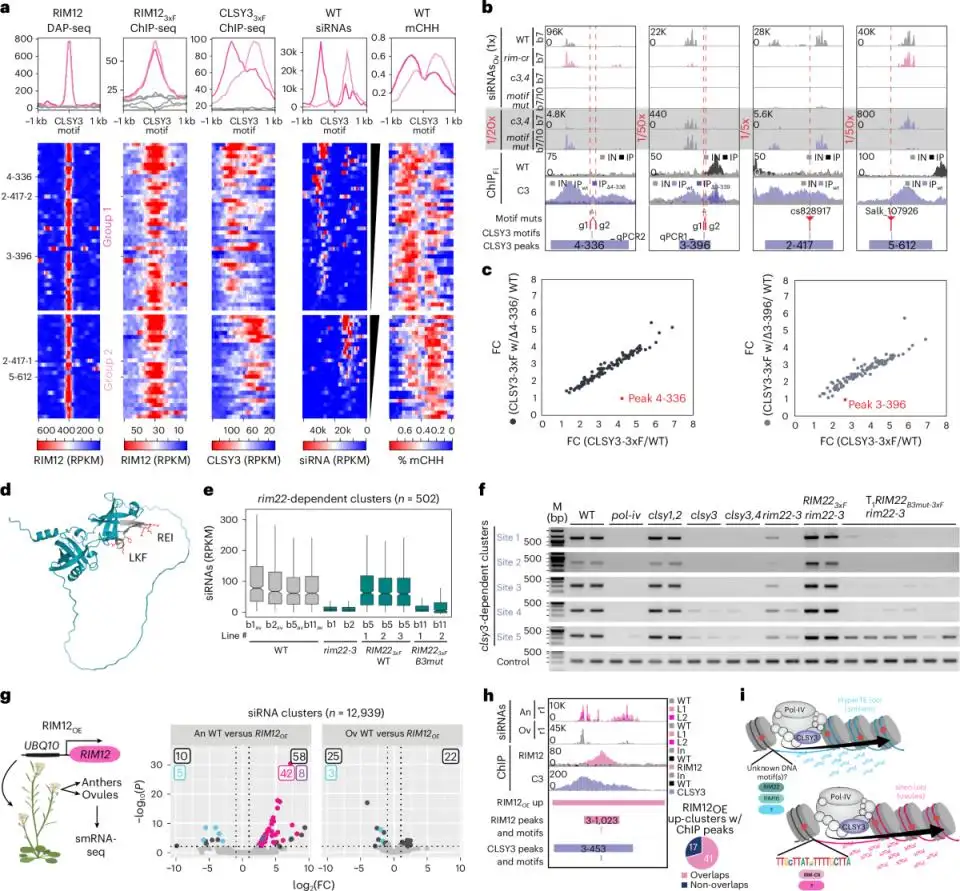
(عوامل النسخ توجه أنماط مثيلة الحمض النووي في أنسجة النبات التناسلية)
معا، تشير هذه الدراسات إلى نفس درس الشراء: أبحاث النباتات تتجه نحو حساسية أعلى، ومدخلات أقل، وإنتاجية أعلى، لذا يجب أن تصبح أنظمة تحضير العينات أكثر تحكما وليس أكثر ارتجالا.
كيف تتناسب تقنية الإضاءة الطويلة مع هذا التحول
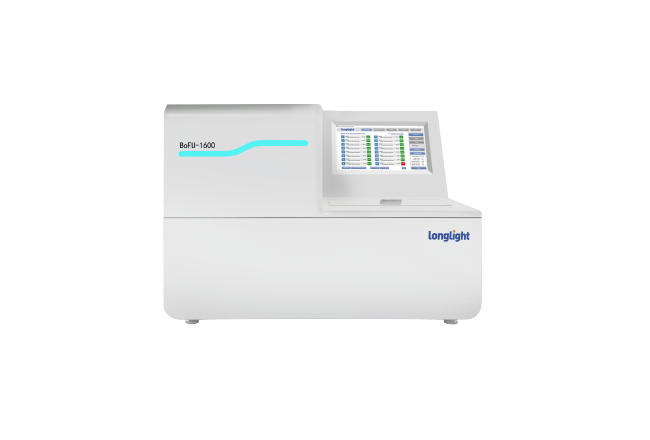
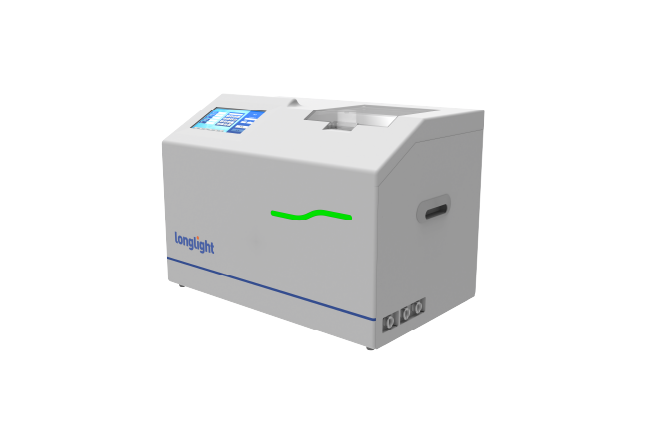
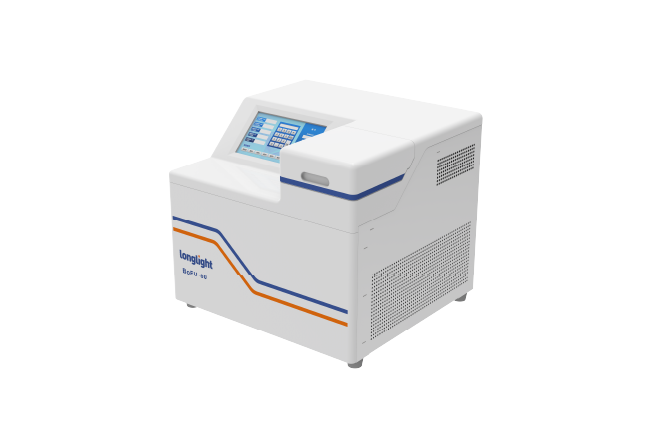
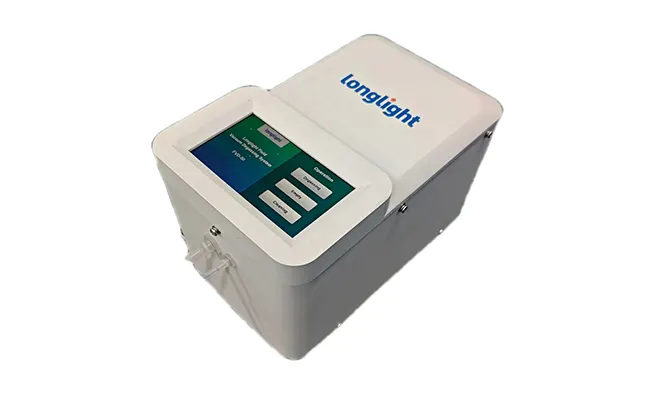
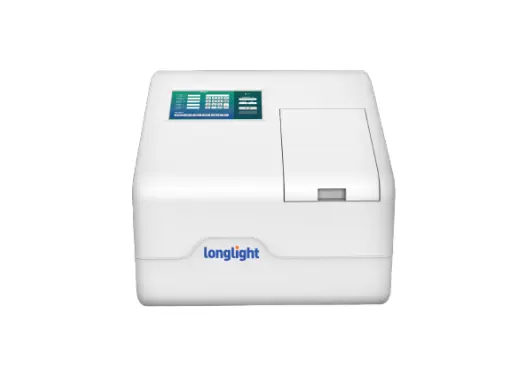
هنا تكمن ميزة واضحة لتقنية لونغلايت في التموضع. تم تصميم منصة الموجات فوق الصوتية المركزة الخاصة بها حول قابلية التحكم بدلا من الاضطراب الناتج عن القوة الغاشمة. بالنسبة لسير عمل أنسجة النباتات، هذا مهم.
استنادا إلى المواصفات التي شاركتها، يقدم النظام عدة نقاط قوة عملية:
• معالجة العينات غير التلامسية، التي تقلل من خطر التلوث مقارنة بأنظمة السحق الصوتي ذات التلامس المباشر
• درجة الحرارة المنخفضة الحقيقية والتحكم في درجة الحرارة الثابتة، مدعوما باستشعار عالي الحساسية ونظام تبريد أشباه موصل مدمج
• الطاقة الصوتية المركزة، التي تحسن التحكم في العمليات وقابلية التكرار
• تصميم متكامل، دون الحاجة إلى حاسوب خارجي أو وحدة تبريد منفصلة
• تشغيل بسيط قائم على المعايير، يقلل من عبء التدريب وعدم الاتساق اليدوي
• التشغيل الهادئ، مما يسهل النشر في بيئات مختبرات مشتركة
بالنسبة للمشترين الذين يبنون سير عمل في علم الجينوم أو علم الأحياء الجزيئي، فهذا يعني أن لونغلايت لا تبيع فقط جهازا. إنه يقلل من الاحتكاك الشائع قبل التحليل.
لماذا فعلت Focused Ultrasound an حافة فوق الطرق التقليدية
غالبا ما تؤدي طرق الاضطراب التقليدية الغرض، لكن ليس دائما بمستوى التحكم الذي تتطلبه مشاريع جينوميات النباتات الحالية. يمكن أن تثير الأنظمة القائمة على التلامس مخاوف التلوث. قد تفتقر التقنيات التقليدية للصوت الضخم إلى التوحيد الدقيق للطاقة، ويمكن للتعامل اليدوي أن يجعل النتائج التجريبية أكثر حساسية لممارسة المشغلين. المبردات الخارجية والإعدادات المرتبطة بالحاسوب تضيف أيضا تعقيد الطاولة المستخدمة.
النظام المركز يغير هذا العرض القيمة بعدة طرق.
أولا، تتحسن سلامة العينة لأن سير العمل يصبح أكثر استقرارا في درجة الحرارة. وهذا مفيد بشكل خاص للتطبيقات المتعلقة بالحمض النووي النووي، والحمض النووي الريبي، والكروماتين حيث يمكن أن يؤدي ارتفاع الحرارة إلى تآكل الأداء في مرحلة ما بعد التيار.
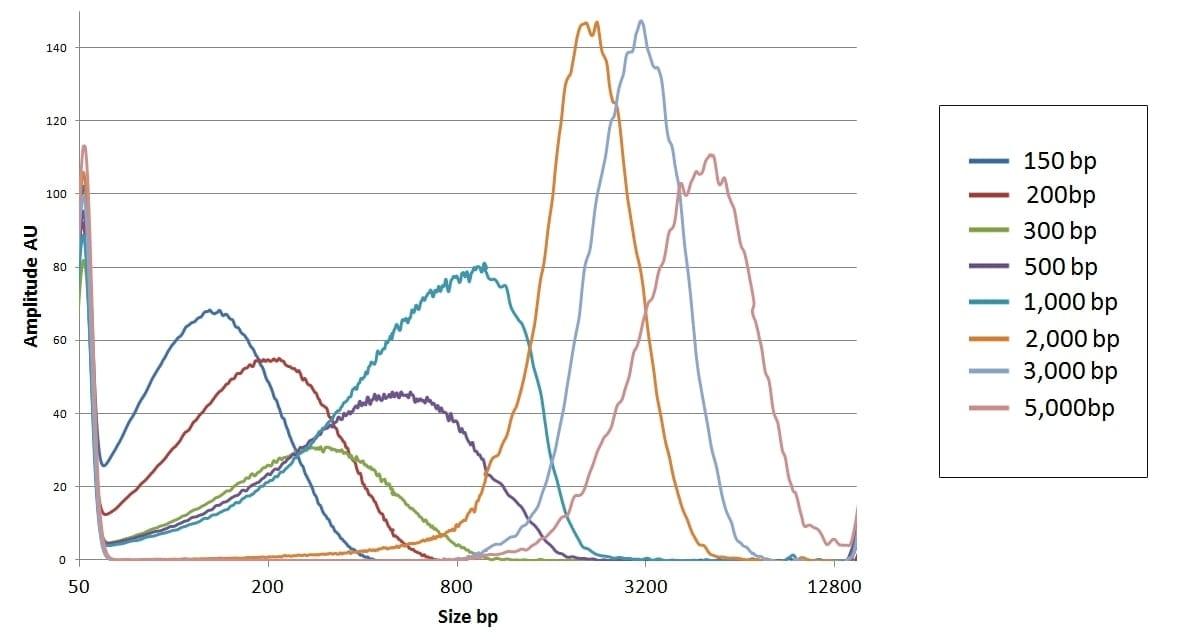
ثانيا، تتحسن التكرار لأن التوصيل الصوتي أصبح أكثر توحيدا. بالنسبة للمختبرات التي تستخدم ChIP-seq، أو تجزئة NGS، أو استخراج الجينوم، أو توحيد الأنسجة، يمكن أن تترجم إلى سلوك أكثر قابلية للتنبؤ في المراحل اللاحقة.
ثالثا، تتحسن كفاءة سير العمل لأن التبريد المتكامل والتشغيل المستقل يقللان من الاعتماديات على الإعداد. من الناحية العملية للشراء، يعني ذلك انتشار المعدات أقل وتنسيقا أقل بين الوحدات المنفصلة.
بالنسبة لمختبرات النباتات التي تقارن الخيارات، فالميزة ليست مجرد "اضطراب أقوى". إنه اضطراب أنظف وأكثر توحيدا.
لماذا هذا مهم fأو المشترون أناn 2026
الخلفية التجارية تدعم هذا التحول أيضا. تقدر Mordor Intelligence سوق جينوميات النباتات ب 8.5 مليار دولار أمريكي في عام 2025، وينمو إلى 15.2 مليار دولار بحلول عام 2030 بمعدل نمو سنوي مركب يبلغ 12.3٪، مع استمرار تسلسل الحمض النووي كتقنية أساسية. يربط نفس التقرير النمو بانخفاض تكاليف التسلسل والتبني الأوسع عبر خطوط التربية.
تشير تحليلاتها في علم الزراعة الجينومية أيضا إلى أن السوق الأوسع من المتوقع أن يصل إلى 5.49 مليار دولار أمريكي في عام 2026، بينما تواصل NGS اكتساب الزخم بفضل إنتاج البيانات الضخم، وتكامل الأنظمة متعددة الأوميكس، والتحليلات المدعومة بالذكاء الاصطناعي.
وهذا يعني أن قرارات الشراء تتغير. لم يعد المشترون يختارون الآلات فقط لتجارب معزولة. هم يختارون منصات يمكنها دعم:
• علم الجينوم التكاثري
• علم التخلق النباتي
• دراسات ChIP-seq والكروماتين
• تحضير مكتبة NGS
• تعطيل الأنسجة لاستخراج الحمض النووي النووي، والحمض النووي الريبي، والبروتينات
• المزيد من سير العمل المخبري متعدد المستخدمين بشكل موحد
في هذا الوضع، يكون جهاز الموجات فوق الصوتية المركز للأنسجة النباتية ذا قيمة عندما يساعد المختبرات على تقليل التغيرات قبل أن تبدأ خطوة التسلسل.
الخلاصة العملية
بالنسبة لأبحاث النباتات، لم تعد مشكلة تحضير العينة مخفية. وأصبح هذا الآن أحد أكثر الأسباب وضوحا التي تجعل سير العمل الممول جيدا لا يزال يفقد الوقت والاتساق والثقة.
تعالج شركة لونغلايت تكنولوجي هذه المشكلة من خلال نهج الموجات فوق الصوتية المركز، غير التلامسي، والتحكم في درجة الحرارة، يتماشى جيدا مع اتجاه جينوميات النبات: مدخلات أقل، قابلية تكرار أعلى، سير عمل أنظف، ودعم أفضل لتطبيقات الحمض النووي النباتي المتقدمة، والحمض النووي الريبي، والكروماتين، ومعالجة الأنسجة.
بالنسبة للمشترين الدوليين، هذه هي الحجة الأقوى للشراء. المنصة المناسبة لا تعالج فقط أنسجة النبات. يساعد ذلك في جعل البيانات التالية أكثر موثوقية.
