

الوظائف ذات الصلة
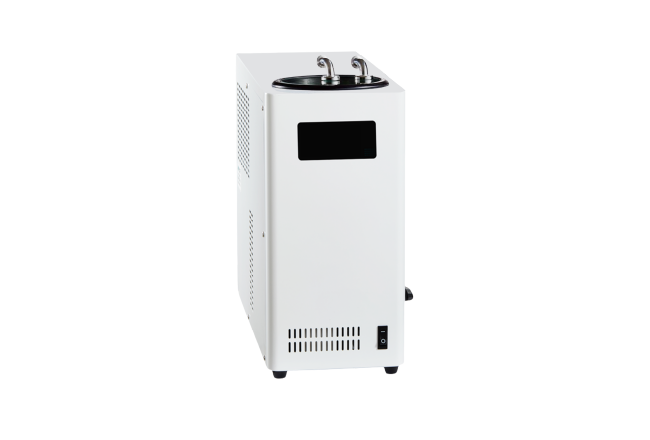
نظام القص بالموجات فوق الصوتية للحمض النووي: كيف تعزز المختبرات جاهزية FFPE
2026-03-18أصبح اختيار نظام الأشعة فوق الصوتية بالقص الحمض النووي أكثر أهمية للمختبرات التي تتعامل مع عينات ثمينة، ومواد FFPE، وتحضير NGS متعدد الدفعات، لأن الخطر الحقيقي لم يعد يقتصر على كفاءة التجزئة. الخطر الأكبر هو فقدان سلامة العينة، أو إدخال التغيرات، أو خلق أحداث تلوث قبل حتى بدء التسلسل.
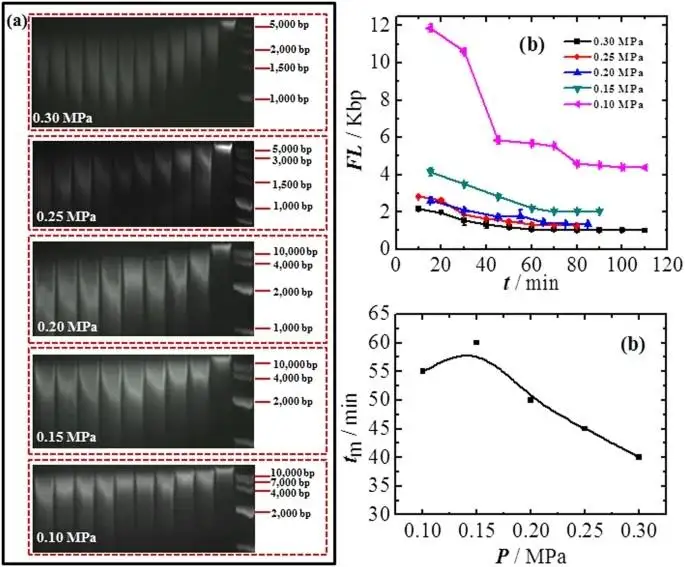
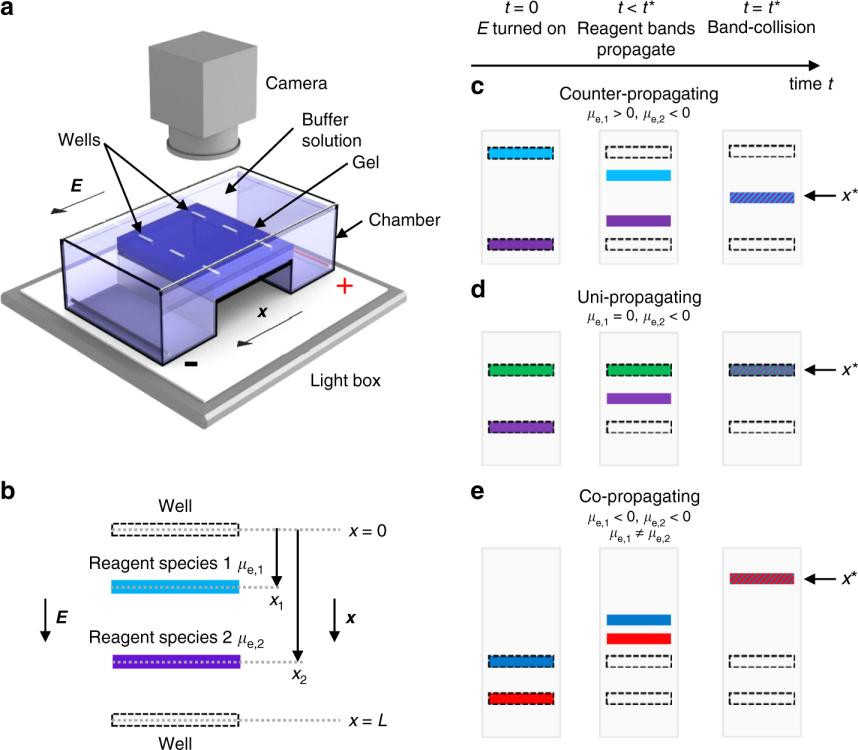
(تجزئة الحمض النووي الهيدروديناميكي عالية الكفاءة في نظام الفقاعات | التقارير العلمية)
بالنسبة للمشترين الأجانب، هذه مسألة عملية للمشتريات. تستمر منصات التسلسل في التحسن، لكن تحضير العينات في المرحلة العليا لا يزال يحدد ما إذا كان سير العمل لا يزال قابلا للتكرار وقابلا للتوسع، ويستحق الاستثمار. تستمر إرشادات إعداد المكتبات من Illumina في التأكيد على قيمة أحجام الإدخالات المتسقة، والتجانس، وجودة المكتبة الموثوقة، لأن التنوع الذي يدخل مبكرا في سير العمل يمكن أن يقلل من الأداء في مرحلة ما بعد الوصول.
التكلفة الخفية أوf القص التقليدي للحمض النووي
لا تزال العديد من المختبرات تعتمد على طرق الصوتيات القديمة التي يمكن أن تعمل في المهام البسيطة، لكنها تصبح أقل مثالية عندما يتضمن سير العمل DNA محدود المدخلات، أو مواد FFPE، أو مشغلات متعددة، أو معالجة عينات متوازية. يمكن أن تسبب الطرق التقليدية القائمة على المجس أو الأقل تحكما في الموجات فوق الصوتية مشاكل مألوفة:
• تراكم الحرارة أثناء المعالجة
• اعتماد أكبر على التحكم اليدوي
• زيادة التعرض للتلوث من الاتصال المباشر
• ضعف الاتساق بين أنابيب أو مشغلات عينات مختلفة
• ضعف قابلية التتبع للمشاريع المنظمة أو التعاونية
هذه المشاكل ليست مجرد إزعاجات تشغيلية بسيطة. تؤثر بشكل مباشر على موثوقية البيانات. أكدت مراجعة عام 2025 بعنوان "تحضير العينة لتحليل الوسائط المتعددة: اعتبارات وإرشادات لتحديد سير العمل المثالي"، من تأليف بريير وودلاند، ولوك أ. فاريل، ولانا بروكبالز، وزملاؤه، أن تحضير العينة لا يزال أحد أهم المتغيرات في أبحاث الوسائط المتعددة لأن طرق الاضطراب، والسيطرة على الملوثات، وتوحيد سير العمل كلها تشكل جودة وقابلية المقارنة للنتائج اللاحقة.
هذه النقطة مهمة لفرق المشتريات. لا ينبغي الحكم على منصة قص الحمض النووي فقط بناء على قدرتها على كسر الحمض النووي. يجب الحكم عليه بناء على ما إذا كان يمكن أن يساعد في حماية قيمة العينة عبر ظروف المختبر الحقيقية.
لماذا تحتاج العينات الثمينة a نهج أكثر تحكما
في العديد من سير العمل الجزيئي، تكون العينة نفسها أكثر قيمة من وقت الجهاز. العينات السريرية، والأنسجة المؤرشفة، والعينات الميكروبية التي يصعب تعطيلها، والمواد البحثية منخفضة الحجم كلها تترك مجالا أقل للخطأ. بمجرد أن تسخن العينة بشكل مفرط أو تلوث أو تعالج بشكل غير منتظم، غالبا لا يمكن تصحيح المشكلة لاحقا.
وهذا مهم بشكل خاص لسير عمل FFPE. في دراسة أجرتها مجلة Nature Communications عام 2025 بعنوان "تمكين تحليل تسلسل الجينوم الكامل من عينات FFPE في علم الأورام السريري"، أظهر ديلان دومينيكو، وغونيس جوندم، وماكس إف. ليفين، وخوان إستيبان أرانغو-أوسا، والمؤلفون المشاركون أن المواد المشتقة من FFPE يمكن أن تسبب أعباء القطع الأثرية التي تعقد التفسير على مستوى الجينوم، رغم أن هذه العينات لا تزال ذات قيمة عالية لأبحاث الأورام والتحليل السريري. يبرز عملهم مدى تأثير جودة العينات وظروف المعالجة المسبقة على فائدة بيانات التسلسل في المراحل النهائية.
بالنسبة للمشترين الذين يخدمون مختبرات أبحاث السرطان، أو سير العمل المرتبط بعلم الأمراض، أو فرق الجينوم الترجمية، يخلق هذا طلبا واضحا: يجب أن يصبح الجزء الأمامي من سير العمل أكثر تحكما وتكرارا وأقل اعتمادا على ارتجال المشغل.
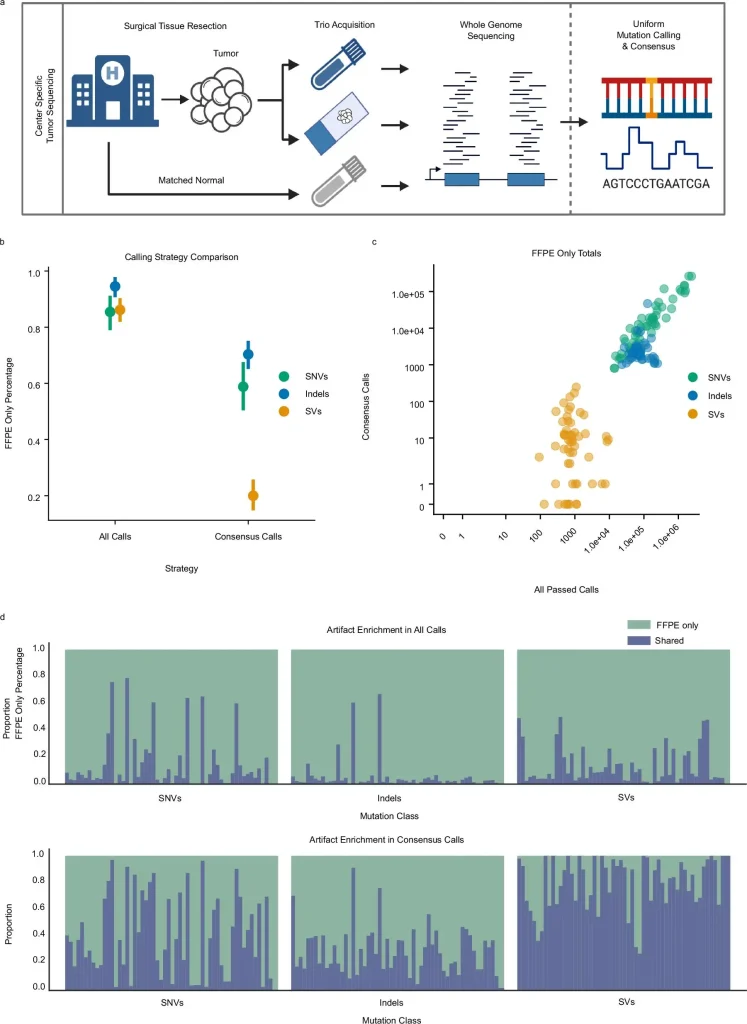
(تمكين تحليل تسلسل الجينوم الكامل من عينات FFPE في علم الأورام السريري)
كيف تعالج تقنية لونغلايت هذه المشكلة
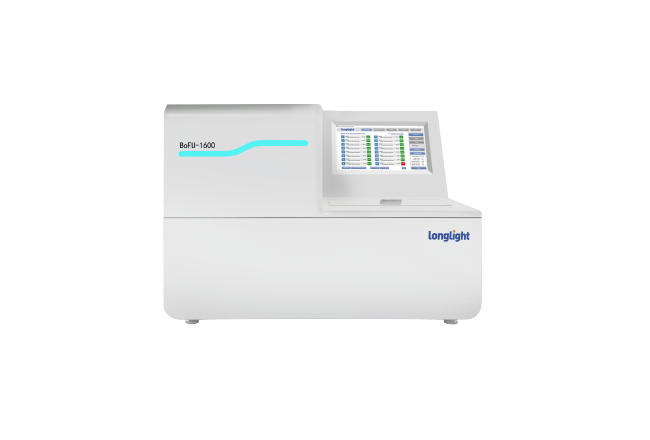
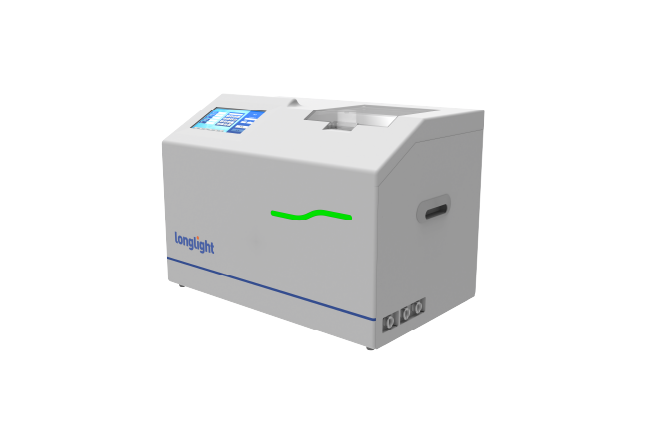
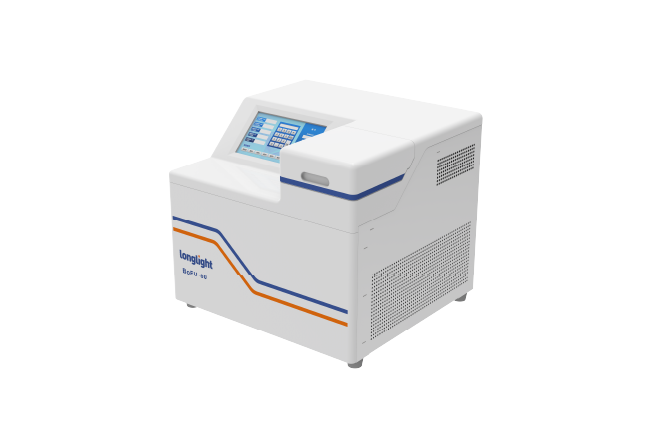
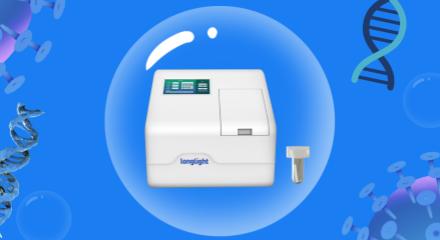
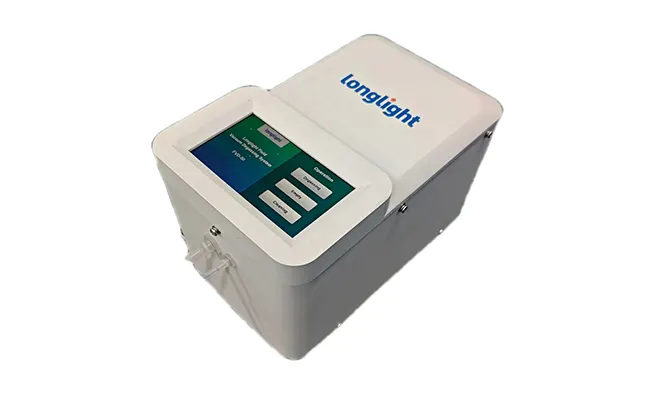
هنا تقدم تقنية لونغلايت إجابة أكثر حداثة. تم تصميم منصة الموجات فوق الصوتية المركزة الخاصة بها حول معالجة عينات غير تلامسية ومغلقة وتحت ضغط حرارة، مما يساعد في تقليل نقاط الضعف التي تظهر في صيغ الصوت التقليدية.
بدلا من الاعتماد على تعطيل الاتصال المباشر، تستخدم تقنية لونغلايت الطاقة فوق الصوتية المركزة يقدم عبر وسيط صوتي. وهذا مهم لأنه يساعد في خلق بيئة معالجة أنظف وأكثر تحكما في المعالجة، خاصة لتحضير الأحماض النووية والبروتينات الحساسة.
من منظور المشتري، المزايا واضحة:
• تساعد المعالجة غير التلامسية في تقليل خطر التلوث للعينات الثمينة
• يساعد التحكم في درجات الحرارة المنخفضة وثابتة في تقليل الضرر المرتبط بالحرارة أثناء السونيك
• يدعم معدل النقل المرن كل من العينات الفردية والمعالجة المتوازية الصغيرة
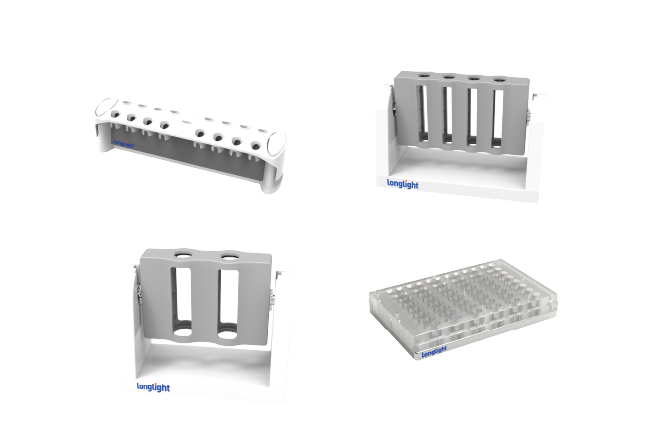
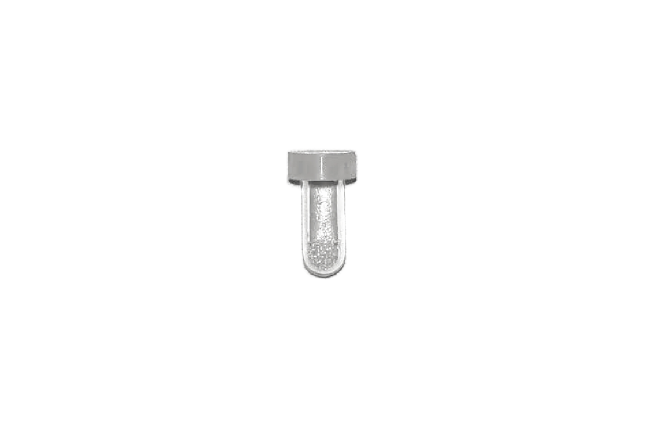
• يبسط التعامل مع الأنابيب المغلقة التحضير ويساعد في حماية سلامة العينة
• تدعم معلومات المعالجة القابلة للتتبع التوثيق، والاتساق، والجاهزية للتدقيق
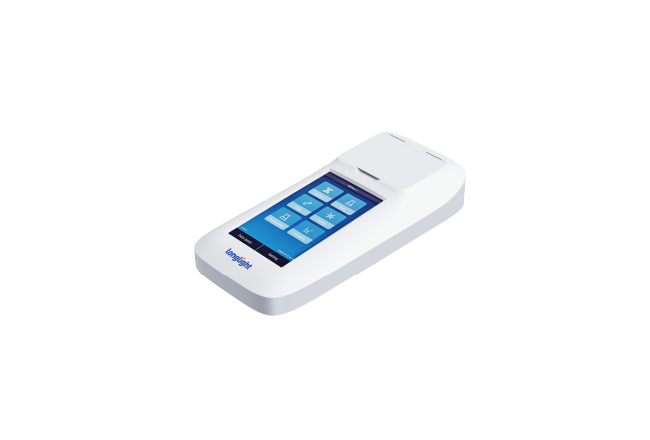
• التشغيل المستقل على متن الطائرة يقلل الاعتماد على مساحة الحاسوب الخارجية في المختبرات المزدحمة
هذه ليست مجرد ميزات راحة. إنها تدعم بشكل مباشر نوع التوحيد القياسي الذي تتوقعه مختبرات الجينوم والبروتيوميات الحديثة الآن.
توافق أفضل مع سير العمل البحثي الحالي
تكون قيمة نظام القص المركز للحمض النووي واضحة بشكل خاص عندما تحتاج المختبرات إلى موازنة المرونة مع التكرار. قد تتطلب عينة واحدة شروطا مخصصة، بينما قد يتطلب مشروع آخر معالجة دفعات لمواد مماثلة. المنصة التي يمكنها التنقل بين تخصيص عينة واحدة والتعامل مع الدفعات بنقرة واحدة أكثر فائدة في الشراء الحقيقي من نظام محسن لنمط تشغيل واحد فقط.
هذه المرونة تتناسب أيضا مع اتجاه الأبحاث الحالية. توضح مراجعة الأوميكس المتعددة لعام 2025 التي أجراها وودلاند، فاريل، بروكبالز، وزملاؤه أن سير العمل المتكامل يعتمد بشكل متزايد على طرق تحضير قوية يمكنها دعم الجينوميات، والبروتيومكس، والمصفوفات البيولوجية المختلطة مع عدد أقل من المتغيرات غير المسيطر عليها.
تصميم لونغلايت تكنولوجي الصوتي المركز يتماشى جيدا مع هذا الاتجاه لأنه يدعم مجموعة واسعة من سيناريوهات تحضير العينات، بما في ذلك:
• تجزئة الحمض النووي ل NGS
• اضطراب الخلايا والأنسجة لاستخراج الجينوم أو البروتين
• التجانس البيولوجي للأنسجة
• تحلل الكائنات الدقيقة الصعبة
• تحضير عينات الجينوميات والبروتيوميات
• سير العمل المسبقي للمعالجة المتعلقة ب FFPE
بالنسبة للموزعين ومديري المشتريات الدوليين، يمكن لهذا النطاق الأوسع لتحسين قيمة المعدات عبر الأقسام بدلا من حصر الجهاز في مهمة ضيقة واحدة.
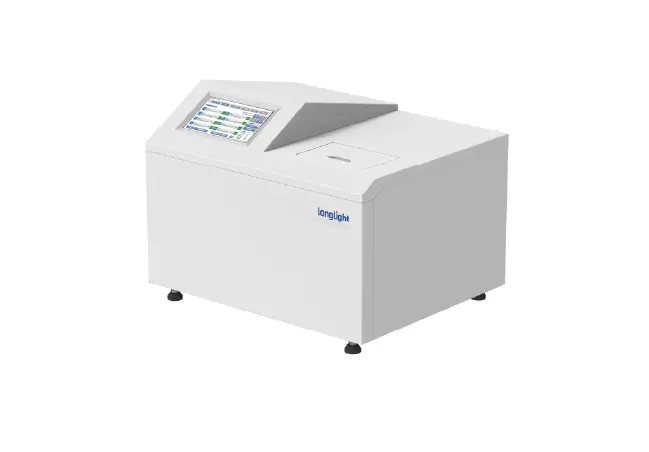
ما الذي يجعله أقوى من الطرق التقليدية للأشعة فوق الصوتية؟
مقارنة بمعدات الحمامات المائية التقليدية أو أجهزة الاستحمام المائي أو المجسات، تقدم تقنية لونغلايت توازنا أكثر حداثة بين التحكم، وقابلية التتبع، وبساطة سير العمل.
الفروقات الرئيسية بسيطة للفهم:
• المعالجة غير التلامسية: تساعد في تقليل مخاطر التلوث مقارنة بأنظمة الاتصال المباشر
• الطاقة الصوتية المركزة: تحسن أداء المعالجة من خلال توجيه الطاقة بدقة أكبر إلى منطقة العينة
• استقرار درجة الحرارة: يساعد في حماية جودة العينة أثناء التشغيل بالموجات فوق الصوتية
• السجلات القابلة للتتبع: تتيح استرجاع معلومات المعالجة لتوثيق سير العمل بشكل أقوى
• التشغيل المستقل: لا يتطلب حاسوبا خارجيا، مما يساعد في توفير مساحة الطاولة وتسهيل الإعداد
• تصريف تلقائي وتحذير مستوى المياه: يتيح صيانة يومية أسهل والتخلص من النفايات بشكل أكثر أمانا
بالنسبة لمدير المشتريات، تقدم هذه الميزات قيمة تتجاوز راحة المختبر الروتينية. يمكن أن تؤثر على وقت التشغيل التشغيلي، ومتطلبات تدريب الموظفين، وجودة الوثائق، وخطر فشل أو تكرار التشغيل.
سؤال شراء أكثر عملية في عام 2026
في عام 2026، يجب على المشترين طرح سؤال مختلف. ليس "هل هذا النظام يمكنه قطع الحمض النووي؟" تقريبا أي جهاز في هذه الفئة يمكنه الادعاء بذلك. السؤال الأفضل هو: هل يمكن لنظام القص بالموجات فوق الصوتية للحمض النووي حماية قيمة العينة مع جعل سير العمل أكثر قابلية للتكرار والتتبع، والتوسع؟
تتميز شركة لونغلايت تكنولوجي في هذا المجال. تم تصميم حلهم المركز للموجات فوق الصوتية للمختبرات التي تسعى لتحسين التعامل، وتنظيم درجة الحرارة بشكل أكثر دقة، ونتائج متسقة، وتكامل أفضل مع متطلبات التحضير ل NGS، وFFPE، والبروتيومكس، ومتطلبات التحضير متعددة الأوميكس. بالنسبة للمشترين الدوليين، هذا يجعل القرار أوضح. يجب ألا يكسر نظام التجزئة الحمض النووي إلى أحجام الأهداف فقط. يجب أن يساعد ذلك في حماية مصداقية كل ما يأتي بعده. وفي هذا السياق، تقدم تقنية لونغلايت إجابة أكثر إقناعا من الطرق التقليدية للموجات فوق الصوتية المبنية على التلامس، والتعرض للحرارة، والاعتماد على المشغل الأثقل.
