

الوظائف ذات الصلة
جهاز طاقة الصوت بالموجات فوق الصوتية المختبرية: تقليل تباين عينات NGS
2026-03-17أصبح أداء جهاز طاقة الصوت بالموجات فوق الصوتية المختبرية عنق زجاجة حقيقي في سير عمل الجينوم والبروتيوميات الحديثة، لأن العديد من المختبرات لم تعد تواجه صعوبة في التسلسل أو القدرة على الطيف الكتلي فقط—بل تكافح مع ما يحدث قبل بدء التشغيل: ثبات التجزئة، انحراف درجة الحرارة، خطر التلوث، وقابلية التكرار من دفعة إلى دفعة. بالنسبة للمشترين، والمحاصيل الاحتياطية، ومختبرات المستشفيات، والمؤسسات البحثية، أصبح هذا الآن مسألة مشتريات، وليس مجرد تفصيل سير عمل.
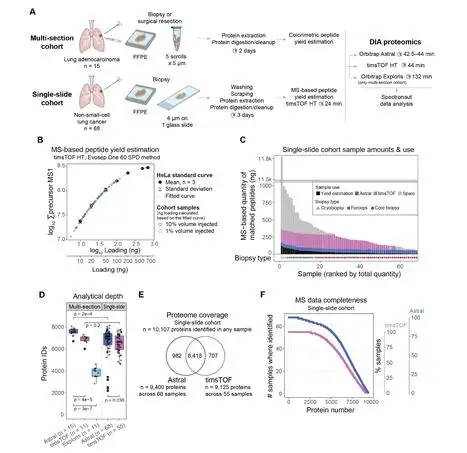
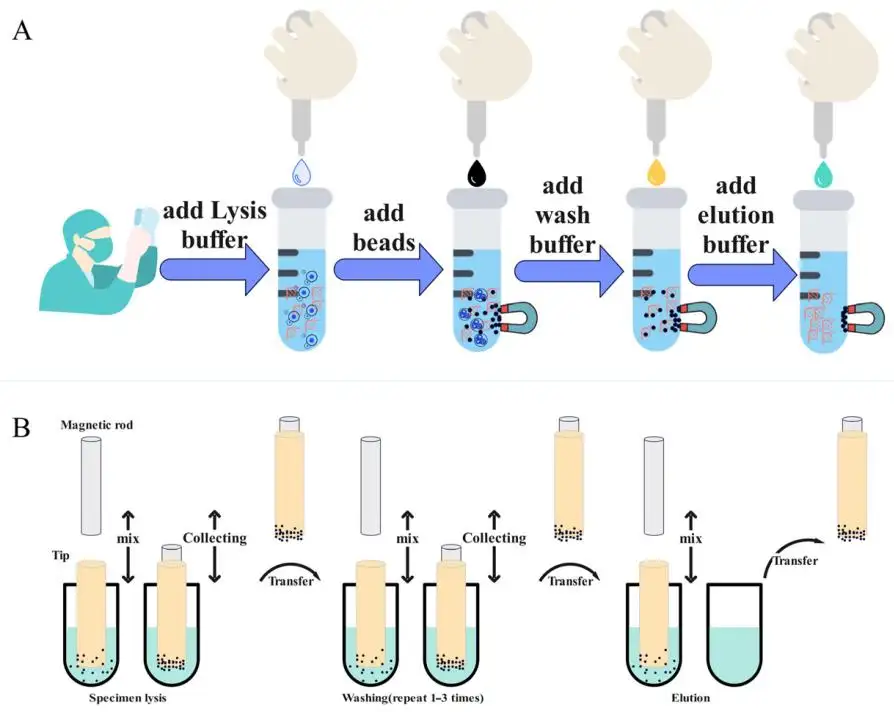
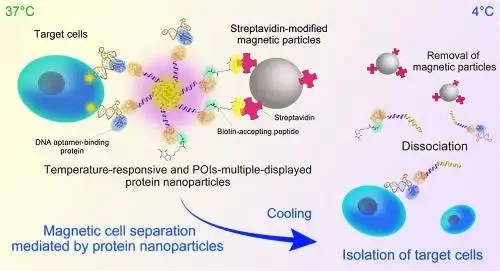
(البروتيوميات القائمة على مطيافية الكتلة تقدم تحليل متعمق للبروتيوم
من خزعات سرطان الرئة FFPE من شرائح زجاجية واحدة)
لماذا لا يزال تحضير العينات مستمرا tأضعف حلقة
نقطة الألم في الصناعة بسيطة: المنصات المكلفة في الأسفل لا يمكنها تعويض التعامل غير المستقر مع العينات في المراحل الأعلى. تؤكد إلومينا أن تحضير المكتبة يجب أن يوفر أحجام إدخالات متسقة، وتغطية موحدة، وجودة بيانات قوية، بينما تشير مراجعات الوسائط المتعددة الحديثة إلى أن نقل العينات المتكرر وخطوات التحضير غير المتسقة تزيد من خطر التلوث، وفقدان الحمض النووي، والتباين. في سير العمل الكبير أو المنظم، تنمو هذه المشكلة بسرعة لأن حتى الانحرافات التحليلية الصغيرة يمكن أن تشوه قابلية المقارنة عبر الجولات والمشغلين والمواقع.
يصبح هذا التحدي أكثر جدية في FFPE والمواد الأرشيفية. أظهرت دراسة أجريت عام 2025 حول تسلسل الجينوم الكامل باستخدام عينات مثبتة في الفورمالين ومدمجة بالبارافين (FFPE) أن معالجة FFPE القياسية يمكن أن تقلل بشكل كبير من جودة البيانات. كما وجد زيادة متوسطة بمقدار 20 ضعفا في النتائج الإيجابية الكاذبة عند مقارنة العينات المتطابقة. بالإضافة إلى ذلك، حذرت دراسات أخرى باستمرار من أن تثبيت الفورمالين يسبب التجزئة والتغيرات الكيميائية، مما قد يؤثر على كيفية تفسير البيانات لاحقا. لهذا السبب يبحث المشترون بشكل متزايد عن أدوات تحضير عينات تحسن التحكم، والاستقرار الحراري، وقابلية التتبع، بدلا من تقديم "طاقة أكبر" فقط.
حيث a جهاز Focused Ultrasonicator يناسب أفضل من الصوتيات التقليدية
الصوتيات التقليدية بالمجس لا تزال شائعة، لكنها تأتي مع تنازلات مألوفة. تشير ثيرمو فيشر إلى أن العلاج بالموجات فوق الصوتية غالبا ما يحتاج إلى تطبيق على دفعات قصيرة مع حمام ثلج لمنع التسخين الزائد. كما تبرز إرشادات السلامة من جامعة سينسيناتي توليد الهباء الجوي أثناء التصويب، وهو أمر مهم عند التعامل مع المواد البيولوجية الحساسة أو الخطرة. بالإضافة إلى ذلك، تشير المراجعات المنشورة على مجسات الموجات فوق الصوتية المغمورة إلى خطر التلوث المرتبط بالتآكل من مواد المجس في بعض حالات الاستخدام. بالنسبة للمختبرات التي تعالج عينات حمض النووي أو البروتينات الثمينة، فهذه ليست تفاصيل تشغيلية ثانوية.
التصوير المركزة فوق الصوتية يعالج نقطة الألم بشكل أكثر مباشرة. تمكن الصوتيات المركزة من التحكم الدقيق في درجة الحرارة، وتوصيل طاقة أكثر كفاءة، وتقليل الحرارة الإجمالية التي تصل إلى العينة لأن الطاقة الصوتية تتقارب في منطقة تركيزية بدلا من أن تتبدد بشكل واسع. من الناحية العملية، لهذا السبب أصبحت الأنظمة المركزة مرتبطة ارتباطا وثيقا بالقص المسيطر عليه، والمعالجة في الأوعية المغلقة، وسير العمل الجزيئي الحيوي الأكثر قابلية للتكرار.
لماذا يتوافق BoFU-1600 مع متطلبات البحث الحالية
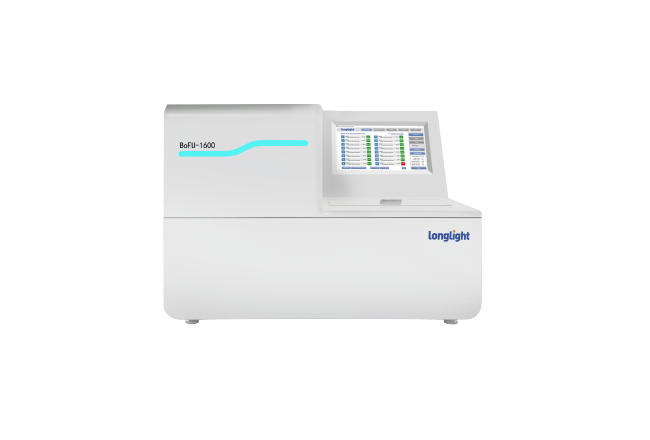
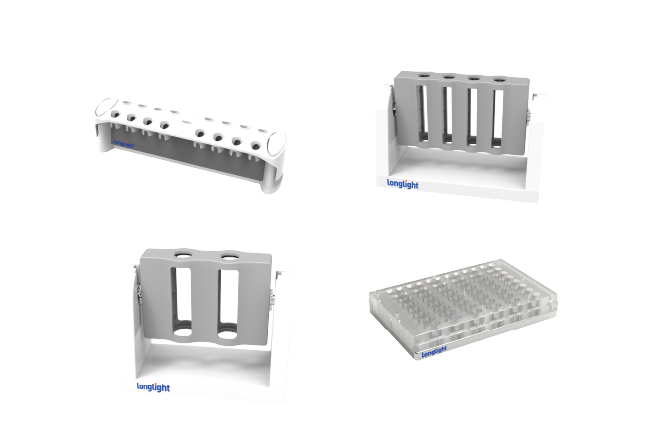
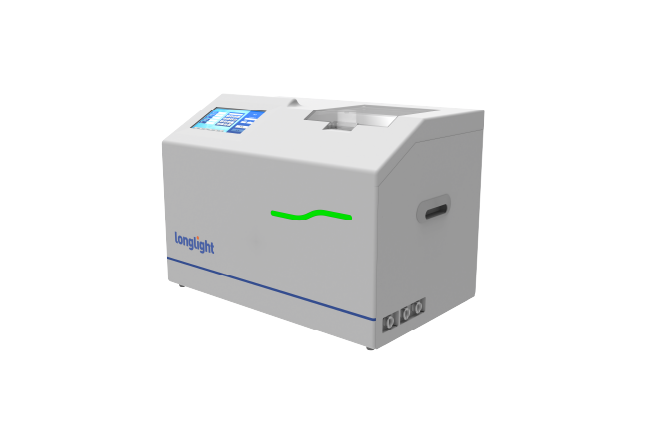
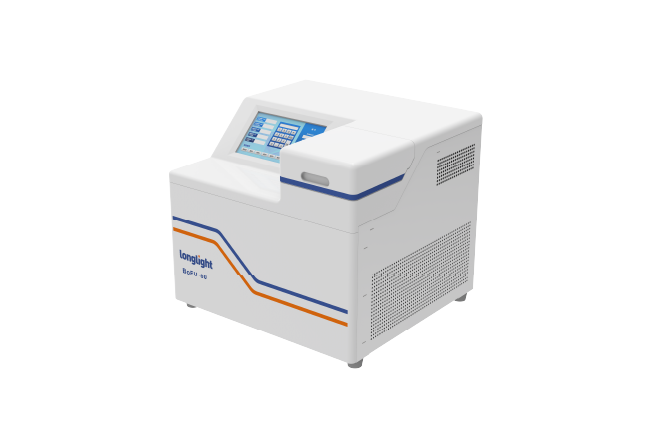
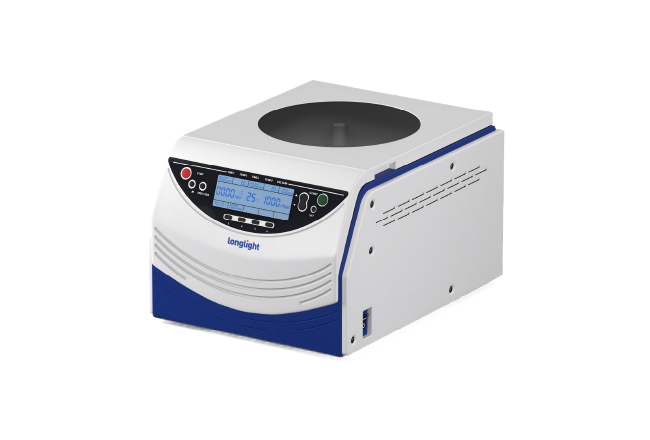
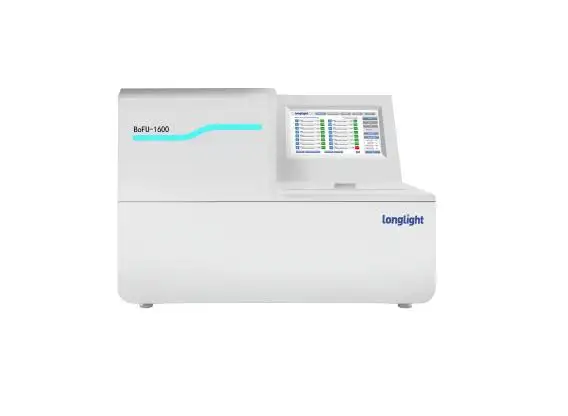
تضع شركة Longlight Technology جهاز الأشعة فوق الصوتية المركز BoFU-1600 حول القضايا التي تهتم بها المختبرات الحديثة أكثر: قابلية التكرار، حماية العينات، كفاءة الدفعات، والسجلات القابلة للتتبع. استنادا إلى مواصفات المنتج المقدمة، بوفو-1600 يوفر 16 وضعية عينة، ومعالجة حرة ل1–16 عينة، وإدخال معلمات دفعية، ومعالجة غير تلامسية، وتحكم في درجة الحرارة الثابتة بدرجات حرارة منخفضة، وبرنامج تشغيل مدمج، واسترجاع السجلات، وتصريف أوتوماتيكي بنقرة واحدة.
هذه الميزات مهمة لأن سير العمل البحثي الحالي يتجه نحو أعداد عينات أعلى وتوقعات جودة أكثر إحكاما. وجدت ورقة بحثية في تقارير علمية لعام 2024 حول التحضير الآلي لمكتبة إلومينا أن سير العمل الآلي ينتج عوائد مكتبية عالية وقابلة للتكرار مماثلة لسير العمل اليدوي، مما يعزز الاتجاه الأوسع نحو تحضير عينات موحدة وأقل تغيرا. تصميم BoFU-1600 متعدد المواضع والتعامل مع الدفعات القابلة للبرمجة يتماشى جيدا مع هذا الاتجاه.
أقوى مزاياه العملية للمشترين الدوليين واضحة:
• تساعد المعالجة غير المعتمدة على التلامس في تقليل مخاطر التلوث مقارنة بسير عمل الاتصال المباشر بالمجسات.
• التحكم الحقيقي في درجات الحرارة المنخفضة يدعم سير عمل الحمض النووي النووي، والحمض النووي الريبي، والكروماتين، والبروتين الحساس للحرارة، حيث يمكن أن يضر الانحراف الحراري بسلامة العينة.
• معدل النقل ب 16 وضعية يدعم الدفعات الروتينية بشكل أفضل من العديد من الأنظمة الصغيرة المركزة المصممة حول عدد أقل من الأنابيب في كل جولة. على سبيل المثال، تظهر مادة كوفاريز العامة نموذجا معدا لعينات دفعة من 1 إلى 8، بينما تركز صفحة نموذج عام أخرى على استخدام أنبوب واحد.
• نظام التشغيل المدمج وسجلات المعالجة القابلة للتتبع جذابة للمختبرات التي تحتوي على مساحة محدودة في الطاولة أو غرف أجهزة مشتركة أو متطلبات توثيق داخلي. غالبا ما تشير وثائق المنافسين العامة إلى بيئات تعتمد على الحاسوب الشخصي أو أنظمة برمجية خارجية.
التطبيقات التي تصنع tهو الأكثر حسنا
هذه ليست مجرد قصة عامة عن التوحيد الموسيقي. يعد BoFU-1600 ذا صلة خاصة في سير العمل حيث تغير الطاقة الصوتية القابلة للتحكم في موثوقية البيانات:
• تجزئة الجينوم لنظام NGS
لا يزال تجزئة الحمض النووي خطوة أساسية في تحضير المكتبات، ويواصل بائعو التسلسل التركيز على اتساق سير العمل والتحكم في حجم الإدخالات. بالنسبة للمختبرات التي تبني قدرة NGS، يمكن لمنصة موجات فوق صوتية مركزة أن تساعد في تقليل التباين اليدوي قبل بدء بناء المكتبة.
• FFPE والعينات السريرية الصعبة
يظل FFPE ذا قيمة لكنه صعب تقنيا. تظهر الدراسات والمراجعات الحديثة السبب: الأضرار المرتبطة بالثبات، والشواهد، والمواد المتدهورة يمكن أن تؤثر على التفسير اللاحق. النظام الذي يقدم معالجة محكومة ومنظمة حسب درجة الحرارة وغير تلامس أكثر ملاءمة لهذه سير العمل الهش من طرق التعطيل اليدوية المضبوطة يدويا.
• البروتيومكس، المابعد مالدي-توف، والكائنات الدقيقة القوية
لقد تم دراسة التصوير فوق الصوتي المركز بالفعل كطريق تحضير سريع للكائنات الصعبة. وجدت دراسة منشورة حول الفطريات الخيطية أن الاستخلاص المعتمد على الموجات فوق الصوتية المركز تم تطويره خصيصا لتبسيط وتسريع تحضير عينات التصلب المتعددة في مالدي-توف، مع معالجة تحدي جدران خلايا الفطريات القوية. تؤكد المراجعات الأوسع أيضا أن مالدي-توف MS يستخدم الآن على نطاق واسع في البكتيريا، والبكتيريا الفطرية، والخمائر والفطريات الخيطية، مما يضغط على جودة التحضير في المراحل الأولى.
انظر ما وراء السعر وحده
عندما يقارن المشترون منصات الصوت، يكون القرار الحقيقي ليس "الاستكشاف مقابل التركيز" بشكل مجرد. الأمر يتعلق بما إذا كان الجهاز قادرا على تقليل تكرار الاختبارات، وتقليل التحضيرات الفاشلة، وحماية العينات الثمينة، وتوحيد النتائج عبر الموظفين والمشاريع. وهنا يبرز جهاز BoFU-1600 من شركة Longlight Technology عن العديد من أجهزة السونيك التقليدية وحتى بعض الأنظمة المركزة الأصغر: فهو يجمع بين المعالجة غير التلامسية، والتحكم في درجة الحرارة، وسرعة النقل من 16 عينات، والتشغيل المتكامل، وتتبع السجلات، وتصميم الطاولة المدمجة في منصة واحدة تركز على سير العمل.
بالنسبة للمختبرات التي تدعم NGS، أو البروتيومكس، أو استخراج FFPE، أو تمزيق الأنسجة، أو التحضير الميكروبي التحديات الصعبة، فإن هذا المزيج له معنى تجاري. في بيئة البحث الحالية، غالبا ما تكون المختبرات التي تتحكم في تحضير العينات بشكل أفضل هي التي تنشر بشكل أسرع، وتتحقق من العينات بشكل أسرع، وتهدر عينات أقل على طول الطريق.
