

الوظائف ذات الصلة
فاصل مغناطيسي لتنقية الأحماض النووية: كيف يساعد التوسع الأذكى على سير سير عمل التنظيف بشكل أفضل
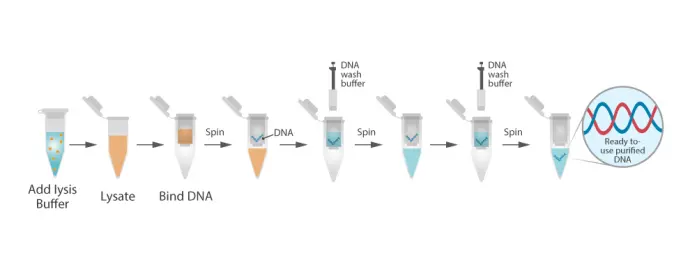
2026-03-26لم يعد الحاجز المغناطيسي لتنقية الأحماض النووية مجرد أداة مريح مختبرية. بالنسبة للعديد من المصنعين، ومطوري الكواشف، وشركات CDMO، وفرق الإنتاج التشخيصي، أصبح القرار عنق زجاجة: بمجرد انتقال حجم الدفعات من الميليلتر إلى الليتر، يمكن أن يتحول فقدان الخرزات المغناطيسية، والالتقاط غير المستقر، وتجميع الخرزات بسرعة إلى مشكلة كبيرة في التوسيع. تظهر بيانات السوق الحديثة أيضا سبب أهمية هذا الآن.
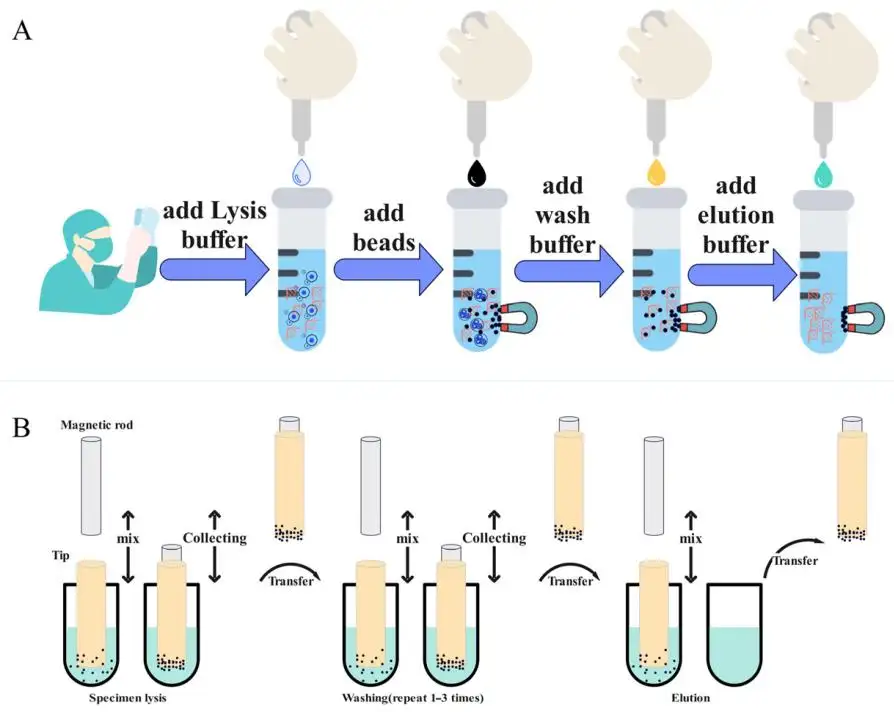
(أبحاث حول نظام استخراج سريع من الأحماض النووية قائم على الفصل المغناطيسي وتطبيقاته في الكشف)
النقطة الحقيقية في الصناعة ليست في الاستخراج وحده
يركز العديد من المشترين أولا على الإنتاجية، والنقائ، والسرعة. هذه الأمور مهمة، لكن في البيئات المواجهة للإنتاج، القضية الأعمق هي استقرار العمليات عند أحجام العمل الأكبر. الطريقة التي تؤدي أداء جيدا في سير عمل الأنبوب أو الطاولة الصغيرة قد تصبح أصعب في التحكم عند دفعها إلى معالجة دفعات متعددة اللترات. في تلك اللحظة، تبدأ الفرق برؤية مشاكل مألوفة:
• فقدان الخرزات المغناطيسية أثناء النقل أو الالتقاط
• قوة مغناطيسية غير متساوية عبر منطقة العمل
• تجمع الخرز الذي يقلل من مساحة الارتباط الفعالة
• خطوات التعامل المتكررة التي تزيد من التغير
• مخاوف سلامة المشغلين حول المغناطيسات التقليدية الكبيرة
وهنا بالضبط تبدأ فرق المشتريات وتطوير العمليات بطرح سؤال مختلف. هم لا يبحثون فقط عن فاصل يمكن أن "يعمل". هم بحاجة إلى جهاز يمكنه دعم التحقق من التأكيد، واتساق الدفعات، وتقليل هدر المواد الخام مع بقائه عمليا للاستخدام التصنيعي. لطالما لاحظت الأدبيات السابقة أن سير عمل الجسيمات المغناطيسية يكتسب قيمة لأنها تقلل من الطرد المركزي، وتدعم الأتمتة، ويمكن تكييفها مع أحجام عينات أكبر عندما يتم التحكم في بيئة الفصل بشكل صحيح.
ما تظهره الأبحاث الدولية الحديثة
من المراجع الجديرة بالذكر لعام 2025 كتاب "التحقيق وتحسين كفاءة عزل الحمض النووي باستخدام الجسيمات النانوية المغناطيسية القائمة على الفيريت"، الذي نشر في تقارير التكنولوجيا الحيوية بواسطة تيميا ب. غيرزني، أغنيس م. إيلوسفاي، فيرينك كريستالي، لايوش داروتشي، مايكل سي. أوين، بيلا فيسكولتش، لازلو فانيريك، وإيما سوري-دوروغازي. تقدم المقالة إرشادات عملية للمختبرات والمصنعين الذين يراجعون أدوات الفصل المغناطيسي لتنقية الأحماض النووية وتصميم سير العمل.
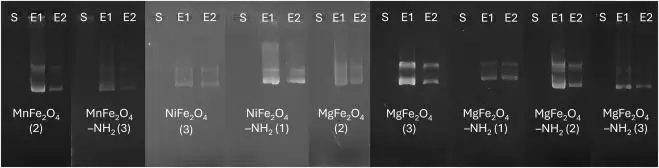
(التحقيق وتحسين كفاءة عزل الحمض النووي باستخدام الجسيمات النانوية المغناطيسية القائمة على الفريت
ركز البحث على عزل الحمض النووي باستخدام الجسيمات النانوية المغناطيسية القائمة على الفيريت وأظهر أن هذا النهج يمكن أن يدعم استعادة كل من الحمض النووي البلازميدي والحمض النووي الجيني. والأهم من ذلك، أبرزت الورقة أن أداء الفصل لا يعتمد فقط على الجسيمات المغناطيسية. كانت كفاءة الاسترداد النهائي مرتبطة ارتباطا وثيقا بعدة متغيرات عملية تؤثر مباشرة على استقرار سير العمل وإمكانية التوسع.
تشمل النتائج الرئيسية من الدراسة:
• دعم الجسيمات النانوية المغناطيسية القائمة على الفيريت العزل الفعال للحمض النووي
• تم استرداد كل من الحمض النووي البلازميدي والحمض النووي الجيني بنجاح
• لعب نوع الجسيمات دورا مهما في أداء الفصل
• أثرت كيمياء السطح على سلوك الارتباط ونتائج الاسترداد
• كان لظروف التشغيل تأثير مباشر على العائد النهائي للحمض النووي واتساقه
بالنسبة للمستخدمين التجاريين، تقدم هذه الدراسة رسالة عملية. لا يتم تحديد تنقية الأحماض النووية المغناطيسية فقط بجودة الخرز. يعتمد ذلك أيضا على مدى قدرة نظام الفصل على الحفاظ على بيئة مغناطيسية مستقرة طوال كل خطوة من خطوات العملية. عندما يصبح سلوك الخرزات أقل اتساقا، يصبح من الصعب التحكم في أداء الاسترداد، خاصة في سير العمل الكبير أو الإنتاجي.
لماذا غالبا ما تواجه سير العمل التقليدي الكبير المعتمد على المغناطيس الكبير صعوبات أثناء التوسع
قد تبدو الأنظمة التقليدية ذات المغناطيس الكبير بسيطة، لكن البساطة على نطاق صغير لا تعني دائما أداء تصنيع مستقر. في سير العمل ذات الحجم الأكبر، يمكن أن يشجع توزيع الحقول غير المتسق على تراكم الخرزات المحلية، أو التقاط غير مكتمل، أو توقيت فصل غير متساو. الاعتماد الأكبر على التعامل اليدوي يمكن أن يؤدي إلى مزيد من التناقضات بين الدفعات ويخلق تحديات إضافية في التحقق من العمليات.
بالنسبة للمشترين الأجانب، هذا مهم بطرق عملية جدا:
• زيادة استهلاك الخرزات تعني تكلفة أعلى لكل دفعة
• يمكن أن يقلل الالتقاط غير المستقر من اتساق استرداد الأحماض النووية
• زيادة التصحيح اليدوي الإضافي من عبء التدريب
• ضعف قابلية التكرار يمكن أن يبطئ التحقق وإصدار ضمان الجودة
• تصبح إدارة السلامة أكثر أهمية مع وجود مغناطيسات تقليدية أقوى
لهذا السبب تستمر الصناعة في التحول نحو سير العمل القائم على الخرزات التي تتماشى مع الأتمتة والمعالجة المحكمة. تشير MarketsandMarkets إلى أن العزل المغناطيسي القائم على الخرزات يتصدر بالفعل سوق NAIP العالمي لأن المختبرات والمستخدمين الإنتاجيين يفضلون وقت العمل العملي الأقل وأداء دفعات أكثر اتساقا.
كيف تدعم تقنية لونغلايت فصلا أكثر موثوقية وحجم كبير
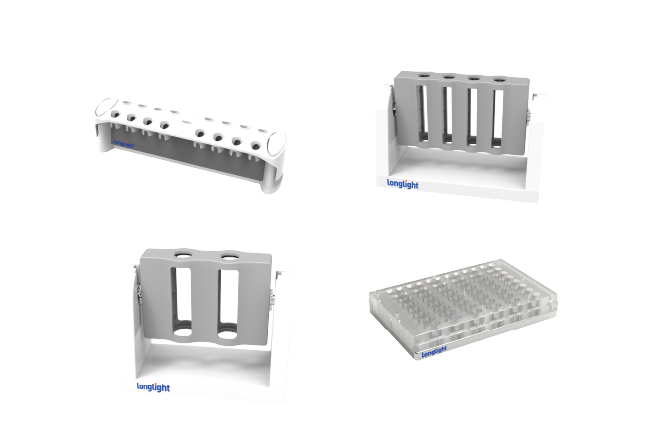
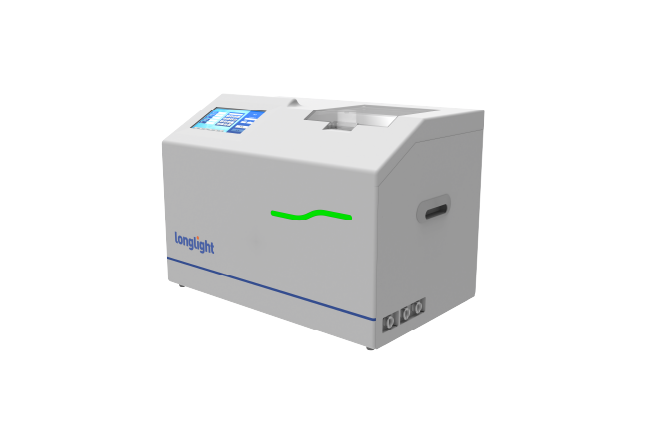
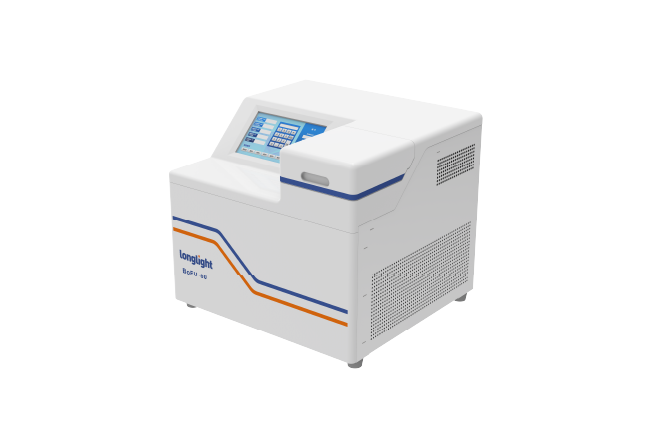
هنا يأتي دور Longlight Technology في تقديم إجابة أقوى موجهة نحو العمليات للمشكلة. إنه الفصل المغناطيسي تم تصميم النهج للفصل المغناطيسي الحيوي على نطاق واسع عبر تنقية الأحماض النووية، وتنقية البروتين، وفرز الخلايا، والتحفيز الحيوي، والتشخيص. بدلا من اعتبار التوسع كزيادة بسيطة في الحجم، تم بناء النظام على عدة ميزات مهمة في بيئات الإنتاج الحقيقية.
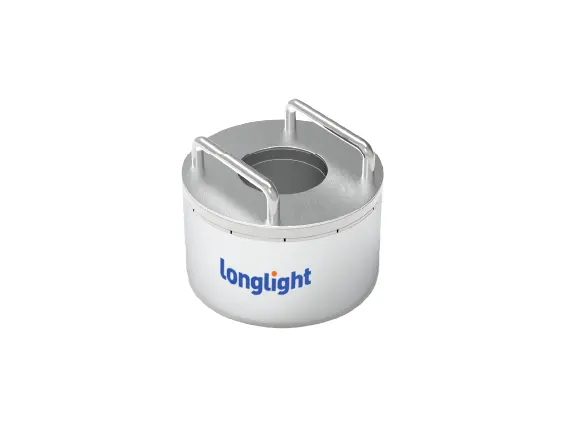
• يساعد التحكم الموحد في المجال المغناطيسي في تقليل تجمع الخرزات
المجال المغناطيسي الموحد والمستقر عبر كامل مساحة العمل يساعد في إبقاء الخرزات تحت بيئة قوة أكثر ثباتا. وهذا يقلل من فرصة التراكم والتجميع المحلي، وهو أمر حاسم عندما يحاول المشترون الحفاظ على توفر سطح الحبيبات الفعال وسلوك الالتقاط المتوقع عبر أحجام دفعات أكبر. يتطابق هذا المنطق التشغيلي بشكل وثيق مع ما تظهره الدراسات الحديثة على الأحماض النووية القائمة على الخرز: حركة الخرزات والظروف المغناطيسية هما المحركات الأساسية لاتساق الاستخراج.
• التوسع من المليلتر إلى دفعات متعددة اللترات
تضع شركة Longlight Technology نظامها لاحتياجات الفصل التي تتراوح من حجم المعالجة بحجم مليلتر إلى عدة لترات وحتى خيارات مخصصة أكبر حجما. بالنسبة للمصنعين، هذا مهم لأن نقل العمليات يصبح أكثر سلاسة عندما يمكن لنفس المنصة التقنية دعم العمل التجريبي، والتحسين، والفصل على نطاق الإنتاج مع تقليل خطر فقدان المواد.
• المراقبة في الوقت الحقيقي تدعم قابلية التكرار
المراقبة الفورية ذات أهمية خاصة للمشترين المهتمين بالتحقق من العمليات وضمان الجودة. الملاحظة المستمرة لتقدم الفصل تسهل اكتشاف الالتقاط غير الكامل، أو انحراف التوقيت، أو أي انحرافات أخرى في العملية قبل أن تتحول إلى فشل دفعي.
• تقليل فقدان المواد الخام يحسن اقتصاديات العمليات
في سير عمل الخرزات المغناطيسية، فقدان المواد الخام ليس مشكلة بسيطة. الخرزات جزء من هيكل تكلفة العملية. إذا حسن تصميم الفصل كفاءة التقاط الخرزات وقلل من الفقدان القابل للتجنب، يمكن أن يكون التأثير الاقتصادي ذا معنى عبر دورات الإنتاج المتكررة.
• أمان أفضل من التعامل التقليدي ذو المغناطيس الكبير
تستخدم تقنية لونغلايت أيضا تصميما واقيا لتقليل مخاطر المشغلين المرتبطة بالمغناطيسات الكبيرة التقليدية. بالنسبة للمواقع التي تعطي الأولوية للامتثال لنظام الصحة والسلامة وسير عمل المشغلين المتسق، فإن هذه الفائدة تحمل قيمة تشغيلية واضحة. يحسن ذلك سلامة المناولة الروتينية ويجعل إجراءات التشغيل القياسية أسهل في التنفيذ.
لماذا هذا مهم fأو في الخارج الشركاء
نادرا ما تشتري فرق المشتريات الخارجية جهاز فاصل لتجربة واحدة. يقومون بتقييم أصل سير العمل الذي يمكن أن يؤثر على معدل الإنتاج، وسرعة التحقق، واستخدام المواد الخام، واتساق العمليات. في هذا السياق، يجب أن يوفر فاصل مغناطيسي قوي لتنقية الأحماض النووية أكثر من القوة المغناطيسية وحدها. يجب أن يدعم:
• معالجة دفعات قابلة للتوسع
• سلوك الخرز المستقر
• انخفاض فقدان العينة والخرزات
• تسهيل التحقق والتوثيق
• تشغيل يومي أكثر أمانا
بالنسبة للشركات التي توسع الإنتاج الجزيئي، أو تطوير الاختبارات، أو القدرة على تنظيف الأحماض النووية، أصبح هذا المزيج أكثر قيمة من ادعاءات السرعة الرئيسية وحدها. المشترون الذين يفوزون غالبا هم من يختارون أنظمة تبقى مستقرة عند زيادة حجم العمليات.
الفكرة النهائية
السوق ينمو، وكذلك توقعات سير العمل. مع تقدم تنقية الأحماض النووية أعمق في التشخيص، وعلم الجينوم، والتحضير على نطاق الإنتاج، تحتاج أنظمة الفصل إلى أكثر من مجرد إكمال بروتوكول. تحتاج إلى حماية الإنتاج، والسيطرة على سلوك الخرز، ودعم التوسع، وتقليل التكاليف التي يمكن تجنبها. لهذا السبب تعتبر تقنية لونغلايت في موقع جيد للمستخدمين الذين يرغبون في إجابة أكثر جاهزية للإنتاج لمتطلبات التنقية الحديثة القائمة على الخرز. تستمر الأبحاث الحديثة في الإشارة إلى نفس الاتجاه: عندما يكون أداء الخرزات المغناطيسية مهما، فإن التحكم في العمليات يكون أكثر أهمية.
