

الوظائف ذات الصلة
رف تنقية البلازميدات المغناطيسي: كيف يعزز تنظيف العينات بشكل أفضل نجاح سير عمل البلازميدات
2026-03-24
كريو-إم عالي الدقة: كيف تصل مشاريع علم الأحياء الهيكلي إلى خرائط عالية الجودة بشكل أسرع
2026-03-20
جل الجل السريع جدا للرحلان الكهربائي بالجل: هل يمكنك الاستخلاص المباشر من الجل بعد 5 دقائق؟
2026-06-16
نظام التصوير البيولوجي الجزيئي: كيف تساعد وضوح النطاق وقابلية التتبع الأفضل على تحرك المختبرات بشكل أسرع
2026-03-27غالبا ما تبدو قرارات نظام تصوير البيولوجيا الجزيئية بسيطة على الورق. يحتاج المختبر إلى تصوير الحمض النووي النووي، الحمض النووي الريبي، أو جل البروتين، وتوثيق النتائج، والمضي قدما. في الواقع، يعرف العديد من فرق البحث ومديري المشتريات أن عنق الزجاجة الحقيقي ليس مجرد التقاط صورة. إنها تحصل على صورة واضحة للنطاقات الضعيفة، وتحافظ على نتائج متسقة بين المستخدمين، وتحافظ على سجل قابل للتتبع لا يزال منطقيا بعد عدة أشهر.
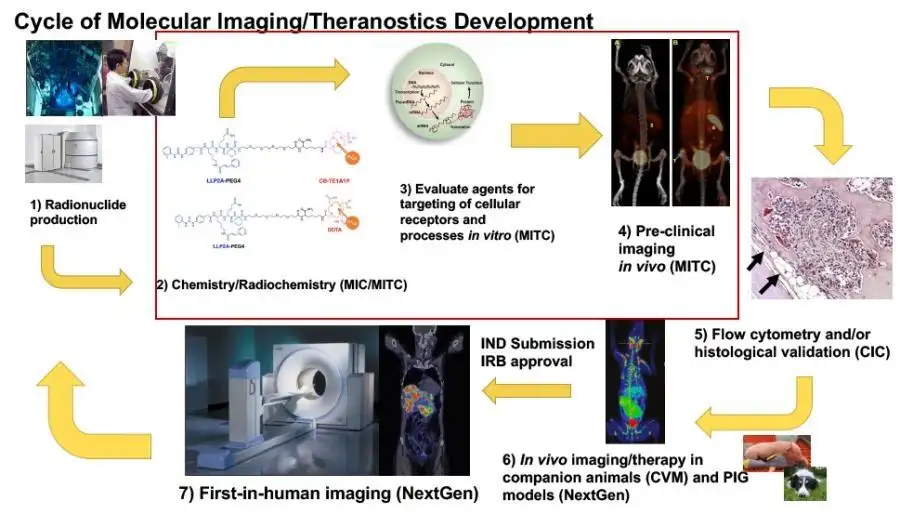
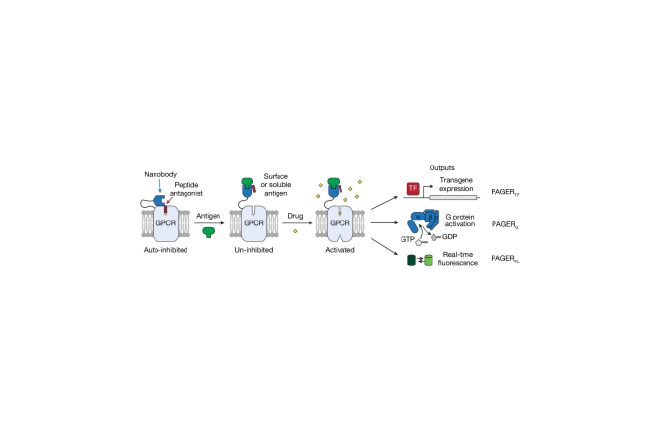
(ما هو التصوير الجزيئي؟)
وهذا الأمر أكثر أهمية الآن لأن سير عمل علم الأحياء الجزيئي أصبح أكثر اعتمادا على البيانات، وأكثر مشاركة بين الفرق، وأكثر عرضة لضغط التدقيق.
النقطة الحقيقية ليست tهو يجل. هذا ما يحدث بعد ذلك tركض.
لا تزال العديد من المختبرات تفقد الوقت بطرق مألوفة:
• الأحزمة الضعيفة أو منخفضة الوفرة يصعب التقاطها بشكل نظيف
• تختلف إعدادات التعريض بين المشغلين
• يتم تعليق السلم يدويا
• يتم حفظ ملفات الصور بدون بيانات وصفية كافية
• إزالة الهلام تحت الأشعة فوق البنفسجية لا تزال تثير مخاوف السلامة
لا تبدو أي من هذه المشاكل درامية بمفردها. لكن معا، يبطئ تأكيد النتائج، ويعقد مراجعة السجلات، ويزيد من احتمال تكرار الجل. بالنسبة للموزعين الأجانب، وشركات الأبحاث السرية، ومختبرات الجامعات، وفرق التكنولوجيا الحيوية، تصبح هذه مسألة شراء بقدر ما هي علمية. نادرا ما تكون الأداة الأقل تكلفة التي تنتج أعمال تصوير متكررة الخيار الأقل تكلفة على المدى الطويل.
وهذا أيضا سبب تحول الأبحاث الحديثة إلى ما هو أبعد من التقاط الصور البسيطة وتركز أكثر على تفسير الصور وقابليتها للتكرار. في ورقة بحثية نشرتها مجلة Nature Communications عام 2025، قدم إم. أكويلينا وزملاؤه إطار عمل GelGenie، وهو إطار عمل مدعوم بالذكاء الاصطناعي لتحليل صور الهلام. أفاد المؤلفون أن النظام يمكنه التعرف تلقائيا على أحزمة الجل عبر مجموعة واسعة من الظروف التجريبية في ثوان ويتفوق على البرمجيات التقليدية من حيث المرونة وسهولة الاستخدام. الرسالة للمشترين واضحة: تتوقع الصناعة الآن أن تكون سير العمل في التصوير أكثر ذكاء وسرعة وأقل اعتمادا على الحكم اليدوي.
ما الذي يجب أن يتوقعه المشترون المعاصرون الآن a نظام تصوير الأحياء الجزيئية
يجب أن تفعل منصة حديثة أكثر من مجرد إضاءة الجل. يجب أن يقلل من التباين القابل للتجنب عند نقطة الالتقاط والتوثيق.
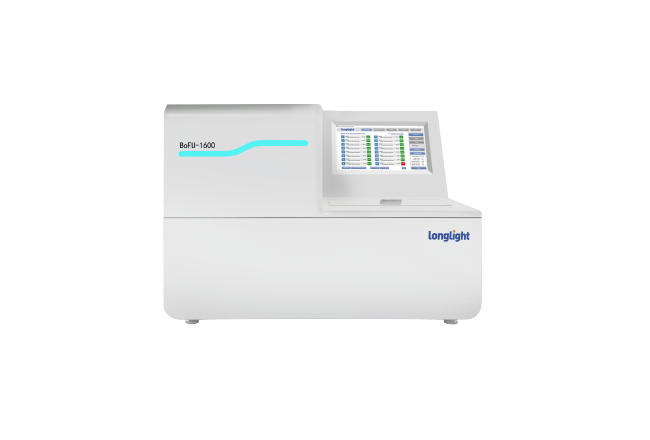
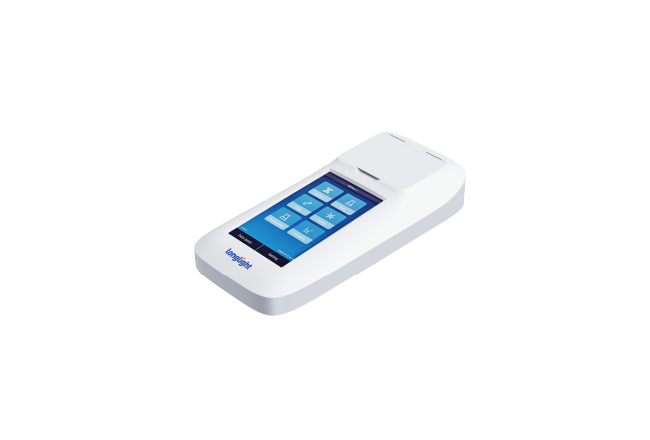
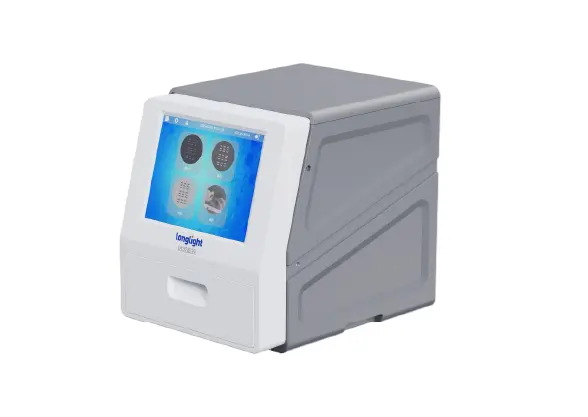
هنا تأتي قيمة لونغلايت للتكنولوجيا العملية، من خلال منصة تصوير علم الأحياء الجزيئي المطورة حول احتياجات سير العمل الأساسية:
• التصوير عالي الحساسية للتصوير البصري منخفض الإشارة والضعف
• التوافق مع الأشعة فوق البنفسجية والأزرق والأبيض لتغطية تطبيقات أوسع
• معالجة الصور المدمجة في نظام شاشة لمس متكامل
• تعليق تلقائي على العلامة يقلل من التعديلات اليدوية المتكررة
• وظائف التحكم في الحسابات وتتبع التدقيق القائمة على الدور لتعزيز قابلية التتبع
• دعم محمي من الأشعة فوق البنفسجية لقطع الجل بشكل أكثر أمانا أثناء الاستئصال
بالنسبة لصناع القرار في الشراء، تتجاوز هذه الميزات صياغة المواصفات بشكل عام. تؤثر على وقت التدريب، وتوحيد معايير التشغيل القياسي، ومراجعة النتائج، وإدارة سلامة المختبرات.
لماذا الحساسية aوالمادة الخلفية المنخفضة أكثر من أي وقت مضى
في العديد من سير عمل علم الأحياء الجزيئي، المسار الأهم ليس الأكثر ذكاء. غالبا ما يكون شريط التأكيد الخافت، أو منتج PCR منخفض الإنتاجية، أو جزء الحمض النووي الحدودي، أو عينة البروتين المعبر عنها بشكل خفيف. إذا كانت حساسية الكاميرا محدودة أو ضوضاء الخلفية عالية جدا، يصبح تفسير هذا المسار أصعب بثقة.
يعتمد نظام Longlight Technology على كاميرا CMOS عالية الحساسية بدقة 6.3 ميجابكسل، وتصوير منخفض الضوضاء، ومعالجة صور مدمجة مصممة للحفاظ على رؤية الإشارة الضعيفة مع تبسيط الاستخدام الروتيني. تركز الشركة أيضا على التوافق مع هلام الأحماض النووية، وSDS-PAGE، وسير العمل الخالي من البقع، وتصوير المستعمرات، وتطبيقات وضع العلامات الفلورية، مما يساعد منصة واحدة على خدمة عدة منصات عمل بدلا من أن تصبح جهازا لمهمة واحدة.
يعكس هذا الاتجاه تحولا أوسع عبر أبحاث التصوير الجزيئي. وصف مقال عام 2024 في مجلة علم الأحياء الدقيقة وتعليم الأحياء ابتكار جهاز إضاءة LED أزرق رخيص لتحليل الرحلان الكهربائي الهلام للأجاروز، مشيرا إلى تزايد الطلب على أدوات تصوير الحمض النووي الأكثر أمانا وسهولة تتجاوز الأنظمة التقليدية التي تعمل بالأشعة فوق البنفسجية فقط. بالنسبة للمشترين، الدرس العملي هو أن توافق الصبغة العريضة ومصادر الضوء أصبح الآن يحمل قيمة تشغيلية حقيقية، لأنه يسمح للمختبرات بالتكيف بسلاسة أكبر مع استمرار تطور البروتوكولات والصبغات وتفضيلات المستخدمين.
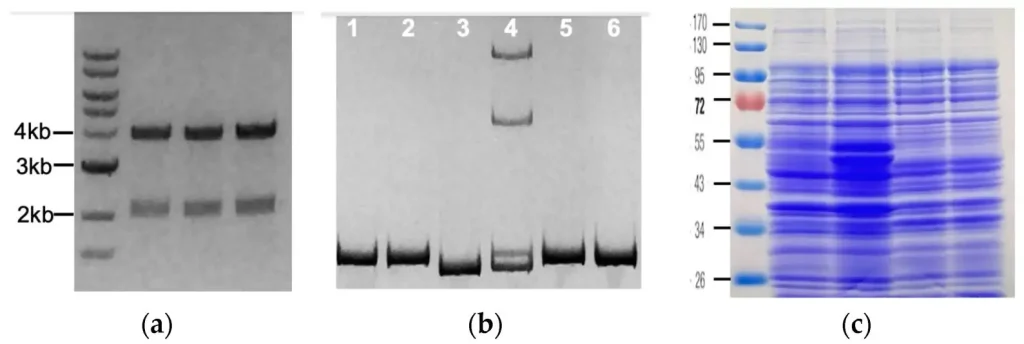
(توثيق الجل المستدام والفعال من حيث التكلفة)
التتبع أصبح ممكنا a شراء المعيار وليس a مكافأة إضافية
جودة الصورة لا تزال مهمة أولا. لكن في البيئات المنظمة أو المشتركة أو عالية الإنتاجية، أصبح التتبع الآن قريبا جدا من النتائج.
يساعد نظام التصوير الجزيئي البيولوجي الذي يسجل من التقط الصورة، ومتى التقطت، وكيفية معالجتها، المختبرات على حماية سلامة البيانات أثناء المراجعة الداخلية، وتدقيقات العملاء، والتحقيقات المتعلقة بالجودة. كجزء من تصميم سير العمل، تبرز تقنية لونغلايت التحكم في الوصول القائم على الأدوار، ومراجعة السجلات المنظمة، ووظائف مسار التدقيق الكامل. تعد هذه الميزات مفيدة بشكل خاص للمختبرات التي تسعى لإدارة سجلات أقوى وتحكم أفضل في التغييرات غير المتتبعة.
تعكس هذه الأولوية اتجاها أكبر عبر إدارة المختبرات. وصف تحليل مقارن لعام 2025 لأنظمة معلومات مختبرات علم الأمراض من إس. مارليتا وزملاؤه قابلية التتبع، والكفاءة، والتعامل الآمن مع البيانات كاحتياجات مركزية في سير العمل الحالي في المختبرات. بينما ركزت تلك الدراسة على منصات LIS في علم الأمراض بدلا من أجهزة التصوير الهلامية تحديدا، فإن الدرس التشغيلي ذو صلة كبيرة: فالمختبرات تقدر بشكل متزايد الأنظمة التي تجعل السجلات قابلة للدفاع وقابلة للبحث وموحدة منذ البداية.
حيث تتناسب تقنية الإضاءة الطويلة أكثر من أساليب التصوير التقليدية
مقارنة بأنظمة توثيق الجل القديمة أو الأكثر بساطة، تقدم طريقة تقنية لونغلايت عدة مزايا في سير العمل.
تعتمد الأنظمة التقليدية غالبا بشكل أكبر على الحواسيب الخارجية، والتعامل اليدوي مع الملفات، وتعديلات الإعدادات من قبل المستخدم لكل مستخدم. قد توفر أيضا مرونة أضيق في مصادر الضوء أو تتبع مدمجة محدودة. وعلى النقيض من ذلك، يدعم التصميم المتكامل في لونغلايت ما يلي:
• التقاط الصور والمراجعة بشكل أسرع على الآلة نفسها
• اتساق أفضل من خلال أدوات المعالجة التلقائية
• تسهيل التبديل بين المهام الخالية من البقع بين الأحماض النووية والبروتينات والخالية من البقع
• تقليل وضع العلامات اليدوية على السلالم من خلال التعليق التلقائي
• التعامل مع المشغلين الأكثر أمانا أثناء الاستئصال الهلامي
• تحكم أقوى في التوثيق للفرق التي لديها متطلبات تدقيق
بالنسبة للمشترين الأجانب، هذا مهم لأن قرار الشراء نادرا ما يكون عن تجربة واحدة. الأمر يتعلق بما إذا كان النظام يمكنه دعم سير العمل المختلط، ومشغلين متعددين، وتوقعات التوثيق المتزايدة دون إضافة تعقيد.
سؤال الشراء الأذكى أناn 2026
السؤال الأفضل لم يعد هو: "هل يمكن لهذه الآلة تصوير جل؟" معظم الأنظمة تستطيع.
السؤال الأفضل هو: هل يمكن أن يساعد فريقي على رؤية النطاقات الضعيفة بوضوح، والعمل بأمان، وتقليل التصحيح اليدوي، والحفاظ على سجلات قابلة للتتبع دون إبطاء البنش؟
هنا يأتي دور نظام تصوير الأحياء الجزيئي المناسب يخلق قيمة حقيقية. يجمع Longlight Technology بين التصوير عالي الحساسية، والتوافق مع الإضاءة المتعددة، والمعالجة المدمجة، والتعليق التلقائي، وإدارة البيانات التي تركز على التدقيق من Longlight Technology ملاءمة للمختبرات التي ترغب في تفسير هلام أوضح وتحسين انضباط سير العمل، وليس مجرد ملف صورة آخر.
