

الوظائف ذات الصلة
أجهزة الموجات فوق الصوتية المركزة متوسطة الإنتاجية: متى تصبح مواضع 8 عينات أكثر منطقية؟
2026-08-19في العديد من المختبرات توجد منطقة وسطى مرهقة.
تستغرق وقتا طويلا إذا كنت تأخذ عينة واحدة في كل مرة. ستة عشر وضعية أو أكثر تبدو جيدة، لكن نادرا ما تتوفر ستة عشر عينة تحت نفس الظروف في المختبر.
هنا تصبح أجهزة الأشعة فوق الصوتية المركزة التي تعمل بمتوسط الإنتاجية مثيرة للاهتمام!
في هذا النقاش، "متوسط الإنتاجية" ليس مجرد رقم مطبوع على ورقة مواصفات. ينطبق هذا النظام على المختبرات التي عادة ما تعالج فيها عدة عينات في نفس الوقت، لكنها ترغب في المرونة لمعالجة دفعات غير مكتملة، أو أنواع عينات مختلفة، أو ظروف صوتية متغيرة.
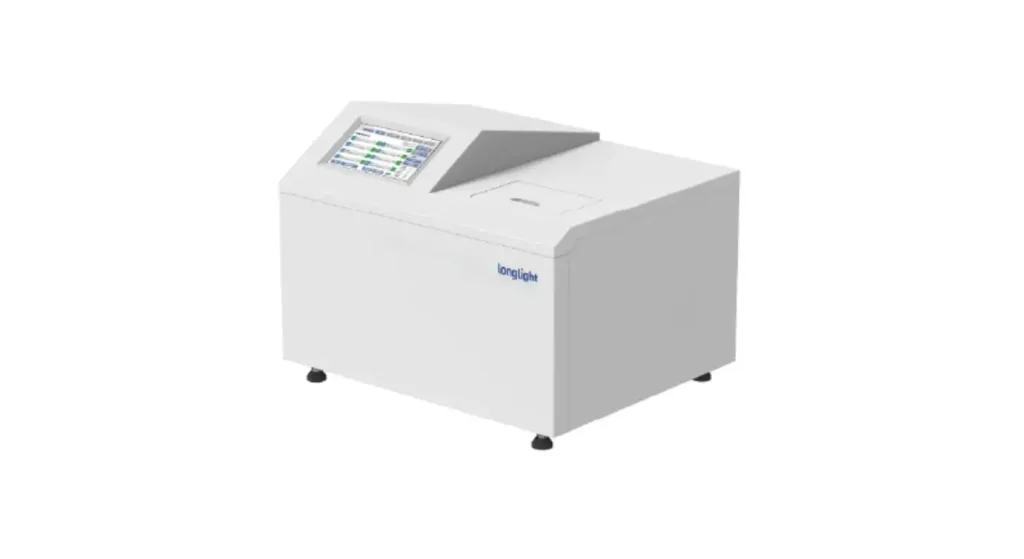
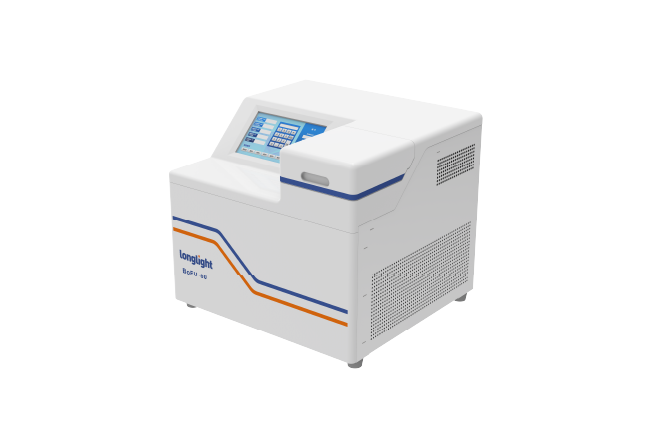
ال الموجات فوق الصوتية المركزة BoFU-800 تقدم من لونغلايت معالجة 1 إلى 8 عينات في نفس الوقت مع 8 مواقع عينات، إما كظروف عينة فردية أو معالجة دفعية. يمكن أن يكون هذا مثالا جيدا عند مناقشة السؤال التشغيلي، وليس فقط التكنولوجيا.
متوسط الإنتاجية هو في الحقيقة مشكلة جدولة: هناك طريقتان للجدولة. هناك طريقتان للجدولة.
عند النظر في عدد الآبار التي تمتلكها الآلة، فكر أولا فيما ينتهي به المطاف عادة على المقعد.
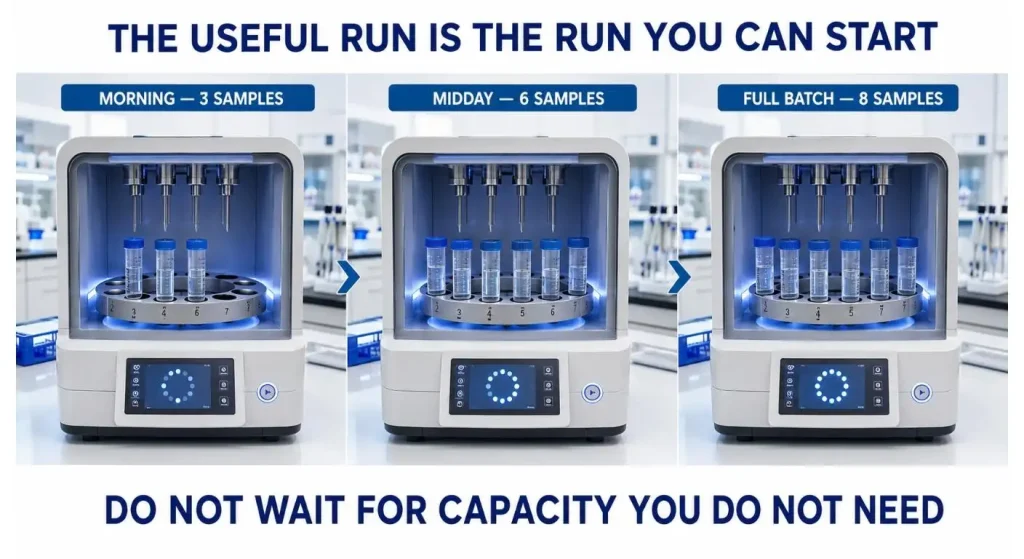
كم عدد العينات التي يحصلون عليها في يوم ثلاثاء عادي؟
ليس المشروع الأكثر شمولا هذا العام. ليس الرقم الذي يرغب المختبر في معالجته بعد التوسع. الطابور العادي أكثر ملاءمة.
في الصباح، يمكن لمجموعة الجينوم الحصول على 4 عينات من الحمض النووي؛ بعد الغداء، 3 عينات كروماتين؛ بعد الغداء، أخذت عينتين من FFPE مع بروتوكول مختلف. في ذلك اليوم، كان لدى المختبر تسع عينات فعليا، لكن ليس دفعة واحدة من تسع عينات.
وهذا يحدث فرقا في اختيار المعدات.
بالنسبة لبعض المنصات، قد تستخدم الوظائف الإضافية القليلة في أعمال أقل فائدة خلال اليوم لأن الباحثين لا ينتظرون حتى اكتمال الرف ليبدأوا.
| قائمة الانتظار النموذجية للعينات | ما الذي يجب تقييمه | التوجيه العملي |
| 1–2 عينة في كل مرة | تردد المعالجة الفردية | لا تتجاوز السعة |
| 3–8 عينات مختلطة | بروتوكولات مختلفة في فترة عمل واحدة | إعطاء الأولوية للمرونة لكل عينة |
| 3–8 عينات مشابهة | الطريقة المتكررة المعتمدة | تصبح المعالجة الدفعية مفيدة |
| غالبا أكثر من 8 | عدد التكرارات | فكر في زيادة سعة الدفعات |
| عبء العمل متغير للغاية | الدفعات الجزئية بطرق مختلطة | التحميل المرن هو الأهم |
في الجولة، لا ينبغي أن توقف الوضع الفارغ الجري.
ميزة مفيدة في منصة متوسطة الإنتاجية هي أنه يمكن استخدامها لتنفيذ دفعات جزئية دون التسبب في مشاكل سير العمل مع المواقع غير المستخدمة.
يتيح وضع معالجة العينات الحر في BoFU-800 معالجة 1–8 عينات مع الظروف المخصصة لكل عينة على حدة. ومع ذلك، فهي ليست في وضع الوقت الحقيقي، بل في دفعة، وهو مناسب للعينات التي لديها نفس متطلبات المعالجة فعليا.
ما قد يبدو فرقا صغيرا لا يهم كما يبدو.
يجب أن يكون المختبر قادرا على إجراء ست عينات إذا كانت هناك ست عينات جاهزة. إذا كانت 4 منها من بروتوكول واحد، و2 من بروتوكول آخر ومختلف، يبرز السؤال عما إذا كانت الأداة تستوعب العمل الفعلي أم يمكن للعمل استيعاب الجهاز.
التصوير فوق الصوتي المركز جزء من تقنيات لونغلايت قص الحمض النووي / الحمض النووي الريبي محفظة أدوات تجزئة الأحماض النووية وأدوات تحضير عينات NGS. المرونة مع العينات الواردة يمكن أن تكون مهمة بقدر أهمية عدد القنوات في تلك البيئة.
هناك وضعان مختلفان: الوضع الحر ووضع الدفعة
مصطلح "المعالجة الدفعية" يعني بطبيعة الحال أنها أكثر كفاءة.
أحيانا يكون كذلك.
بالنسبة لثماني عينات DNA مشابهة، يجب إدخال مجموعة واحدة فقط من الشروط ويمكن معالجتها دفعة، مما يقلل من تكرار الإعداد.
لكن العمل البحثي المختلط ليس كذلك.
قد تعطى عينات من مشاريع غير ذات صلة إلى منشأة أساسية. قد يعمل مختبر NGS على تجزئة الحمض النووي بينما يتطلب مشروع آخر قص الكروماتين. في مثل هذا الوضع، لا فائدة من وجود عدة أوضاع، لأن كل شيء يجبر على طريقة واحدة مشتركة.
لذا فإن المقارنة ذات الصلة ليست يدوية مقابل دفعة.
هو:
متى يكون من المنطقي استخدام بروتوكول مشترك؟ متى يكون من المنطقي وجود بروتوكول مستقل؟
عندما يستطيع النظام القيام بالأمرين معا دون جعل أي من العمليتين معقدا بشكل غير ضروري، فهو نظام متوسط الإنتاجية.
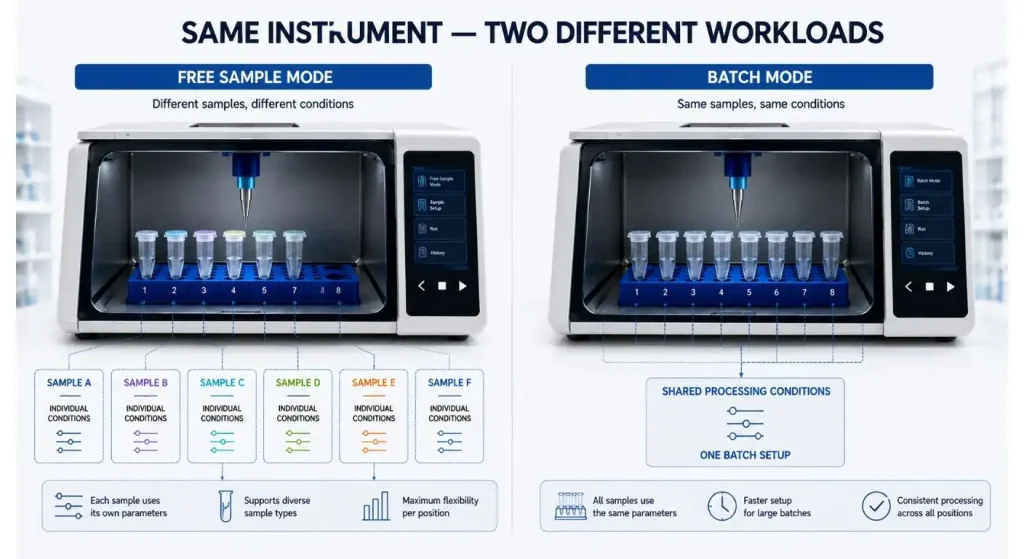
تحتاج إلى ثمانية عينات، هذا ثمانية ألبومات!
مشكلة أخرى في معدل النقل هي الاحتفاظ بمعرفة ما حدث لكل عينة.
يمكن لأنبوب واحد أحيانا أن يجعل المشغل يتذكر ويعيد كتابة السلسلة من دفتر ملاحظات.
لكن مع وجود عدة عينات، الأمر ليس سهلا.
تشمل قابلية التكرار هوية العينة، والحالات المختارة، وتاريخ التشغيل، وتغييرات الطريقة. وفقا ل Longlight، يمكن استرجاع معلومات معالجة BoFU-800 بعد التشغيل، مما يساعد في تسجيل معالجة العينات. يأتي النظام أيضا بنظام تشغيل مدمج، ولا حاجة لجهاز كمبيوتر خارجي.
وهذا ينطبق بشكل خاص على المختبرات المشتركة. قد لا يكون مشغل الطريقة بعد ستة أشهر من وقت التطوير هو نفس الشخص.
يجب بعد ذلك تقليل الاعتماد على الذاكرة من خلال زيادة حجم العينات لسير عمل متوسط الإنتاجية.
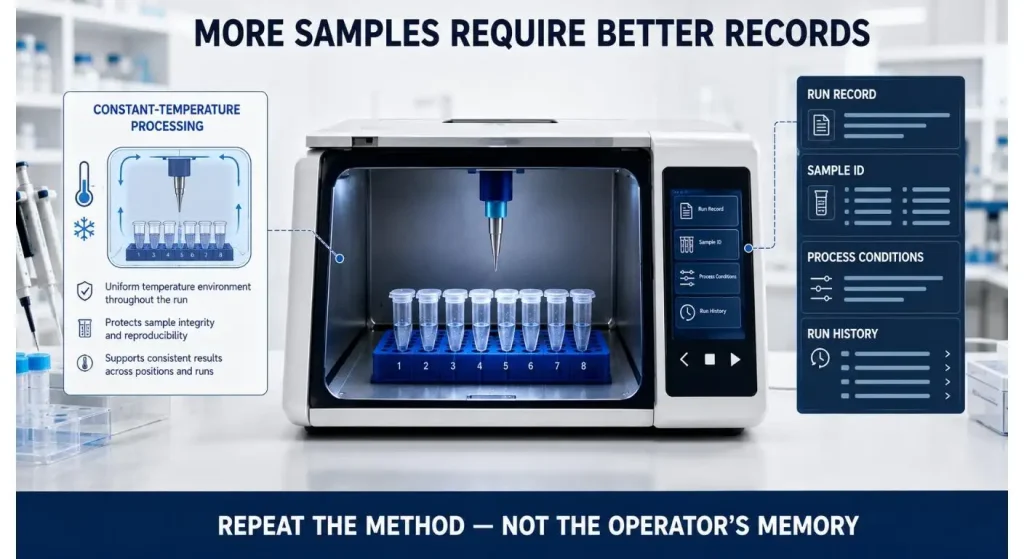
يجب أن يكون نظام التحكم في درجة الحرارة قادرا على العمل طوال الدفعة.
لا ينبغي أن يتبع إضافة المواقع ظروف عينة غير مضبوطة.
إدخال الطاقة الصوتية إلى بيئة العينة من خلال معالجة الموجات فوق الصوتية المركزة يتطلب إدارة حرارية. يعتمد BoFU-800 نظام معالجة بدرجة حرارة منخفضة وثابتة، حيث يتم الاستشعار والتحكم في درجة الحرارة في منطقة العينة. كما يسمح بمعالجة العينات في أنابيب مغلقة، باستخدام وسط صوتي، وليس الاتصال المباشر بالمجسات.
السؤال الأساسي في المختبر هو "كيف"؟
هل من المقبول زيادة عدد العينة دون التأثير على التحكم البيئي العام للطريقة المعتمدة؟
هذا أكثر فائدة من تقييم معدل النقل بشكل منفصل للتحكم في العمليات.
في الواقع، هل تحتاج إلى أكثر من ثماني وظائف؟
في بعض الحالات، الجواب هو نعم.
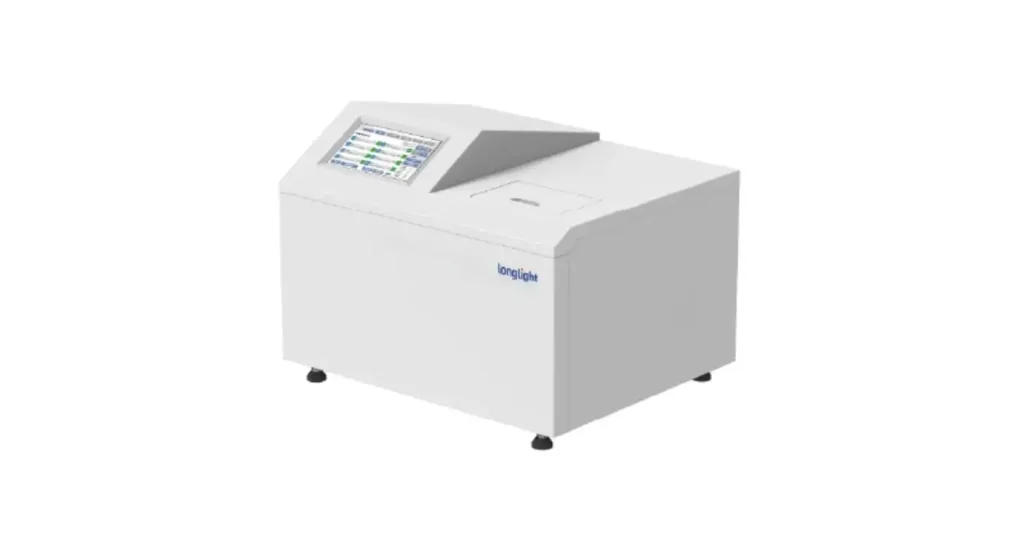
عندما يواجه المختبر عينات أكبر من ثمانية عينات بشكل منتظم، وتكون هذه العينات جاهزة في نفس الوقت، يمكن أن يقلل التحول إلى منصة أكبر من تكرار الاستخدامات.
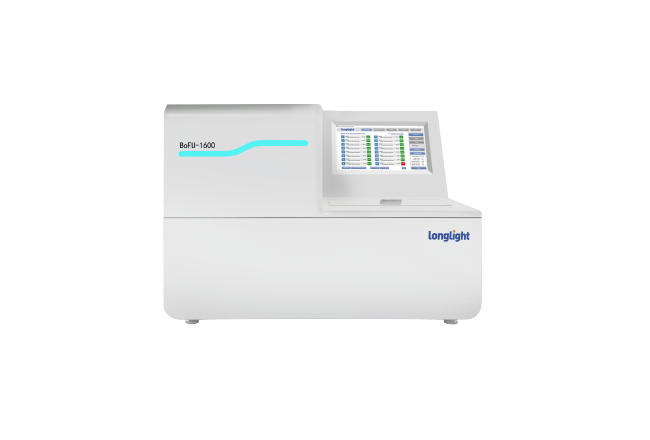
موقع العينة 16 الموجات فوق الصوتية المركزة BoFU-1600 يتميز بنفس مرونة المعالجة مثل نظام الثمانية مواقع – حيث يمكن استخدامه لمعالجة العينة المجانية من 1 إلى 16 عينة أو المعالجة الدفعية.
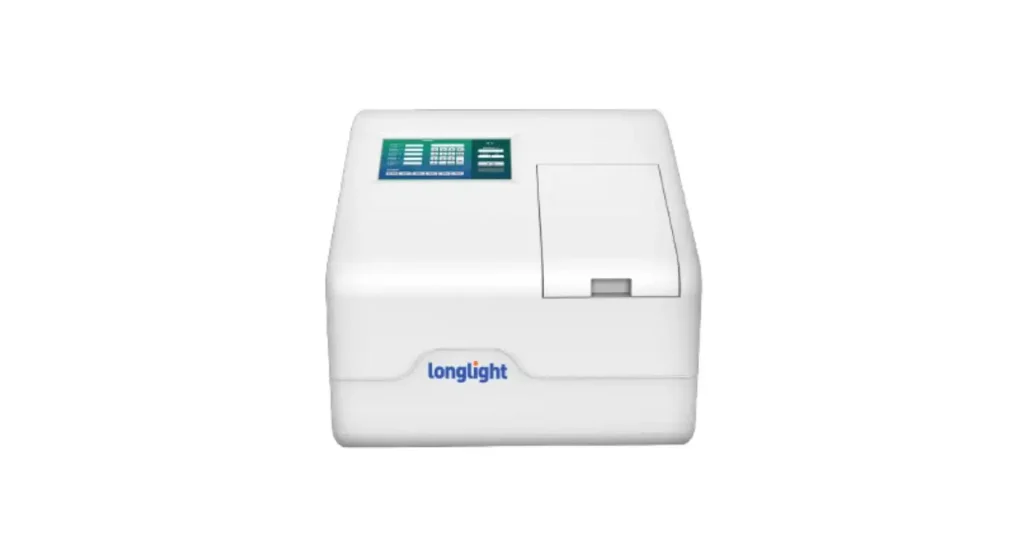
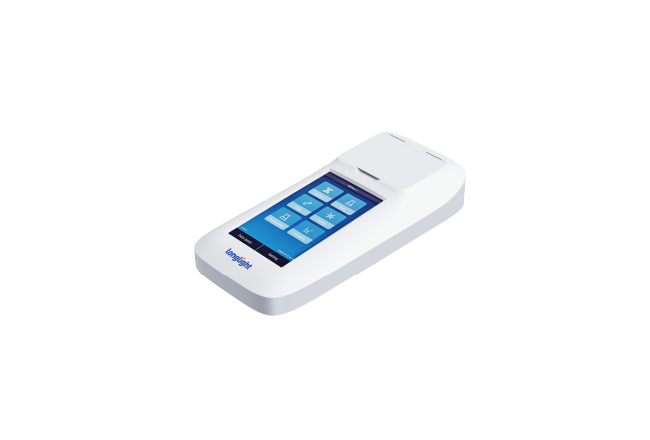
من ناحية أخرى، قد تفضل المختبرات التي تقوم بشكل أساسي بعينات بحثية فردية على منصة متكاملة أبسط مثل الموجات فوق الصوتية المركزة BoFU-100، أماكن لونغلايت لقطع الحمض النووي النووي، الحمض النووي الريبي والكروماتين، تجزئة جينوم NGS، معالجة FFPE وتعطيل العينات البيولوجية.
هذا خيار أكثر إنتاجية من "الأكبر أفضل.
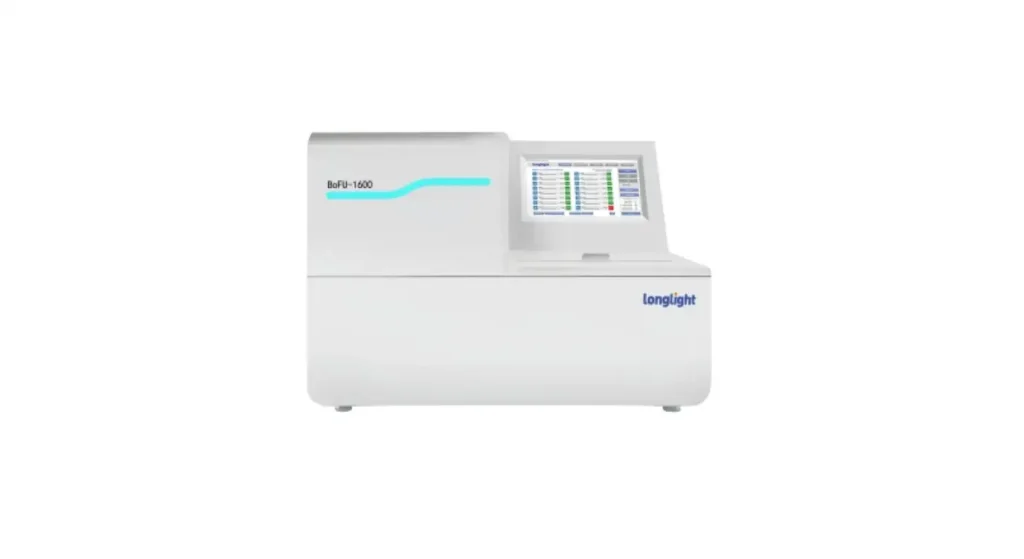
السعة التي تناسب قائمة الانتظار العادية مع أقل سعة انتظار وغير مستخدمة وتجميع غير ضروري هي السعة الصحيحة.
| راقب لمدة أسبوع واحد | ماذا يجب تسجيله |
| وصول العينات يوميا | العينات النموذجية لكل دفعة |
| ذروة عبء العمل | أكبر دفعة عادية |
| تشابه البروتوكول | العينات التي تشترك في نفس الشروط |
| تطبيقات مختلطة | الحمض النووي / الكروماتين / FFPE / عينات أخرى |
| وقت الانتظار | العينات التي تحفظ لتشكيل دفعة |
| تغييرات المشغلين | عدد المستخدمين الذين يشاركون النظام |
| تشغيل الوثائق | مستوى التتبع المطلوب |
قبل أن تختار، شاهد المختبر لمدة أسبوع.
واحدة من أسهل تمارين اختيار المعدات يتم دون استخدام أي معدات.
قم بإجراء مراقبة مختبرية لمدة 5 أيام عمل.
اكتب عدد العينات التي تم استلامها في نفس الوقت، وعدد العينات التي تستخدم نفس الطريقة، وتكرار الانتظار حتى يكون لديك دفعة لتكوينها، وتكرار تداخل التطبيقات، وكيف تبدو أكبر دفعة "عادية".
النتيجة أكثر فائدة من البدء بأكبر عدد من العينات في الكتالوج.
بالإضافة إلى كونه محطة عمل مستقلة، يجب على المختبر أيضا أن يأخذ دور التصوير فوق الصوتي المركز في سياق تنقية الأحماض النووية، والكمية، والإجراءات التحليلية اللاحقة.
الفحص النهائي للاختيار
بالنسبة للمختبرات التي تحتاج إلى معالجة متوازية، لكنها لا تزال تحتوي على عدد متغير من العينات والبروتوكولات، فإن جهاز التصوير فوق الصوتي المركز متوسط السرعة هو الخيار الأكثر منطقية.
قبل اختيار واحدة، عليك أن تسأل نفسك 4 أسئلة:
عادة كم عدد العينات التي تصل معا؟ كم مرة تكون تلك العينات بنفس الطريقة بالضبط؟ ما قيمة المرونة لكل عينة؟ وماذا عن مقدار قابلية تتبع الجري المطلوبة عندما يستخدم عدة باحثين نفس النظام؟
لكن أفضل نظام متوسط الإنتاج ليس ذلك الذي يقع بين مواصفتين أكبر للمنتج.
هذا هو الأسلوب الأكثر توافقا مع واقع وصول العينات إلى مقاعد البدلاء.
الأسئلة المتداولة
س1. الموجات فوق الصوتية المركزة لمتوسط سرعة النقل هي أداة مصممة لمعالجة كميات صغيرة من العينات ذات الموجات فوق الصوتية عالية الشدة ولكن منخفضة السعة.
إنه نظام معالجة عينات صوتية يركز بشكل واحد للمختبرات التي تحتوي على عدد كبير من العينات ليتم معالجتها معا، لكنه ليس بالضرورة معالجته في عمليات كبيرة عالية الإنتاجية. تختلف السعة حسب النظام.
س2. ما هو الحد الأقصى لعدد العينات التي يمكن ل BoFU-800 معالجتها؟
يحتوي BoFU-800 على ثمانية مواقع للعينات ويمكنه معالجة 1 إلى 8 عينات بمرونة. يمكن تخصيصها بشكل فردي أو إدخال معلمات دفعات.
س3. هل يجب شغل جميع الوظائف الثمانية؟
لا. يعالج وضع معالجة العينات الحر في BoFU-800 فقط من 1 إلى 8 عينات، لذلك ليس من الضروري معالجة دفعة كاملة من 8 عينات.
س4. ما الفرق بين الوضع الحر ووضع الدفعة؟
في الوضع الحر يمكن معالجة كل عينة باستخدام حالة معالجة فردية. تم تصميم وضع الدفعات لنفس نوع العينات التي يمكن معالجتها باستخدام نفس معلمات المعالجة.
س5. أي حالة تستدعي أن ينظر المختبر في نظام من 16 وضعية؟
عندما تكون الدفعات أكبر باستمرار من ثمانية وتكون العينات متاحة عادة للمعالجة المتوازية، يمكن أن تساعد منصة أكبر في تقليل تكرار التشغيل. يقدم BoFU-1600 16 وضعية عينة في أوضاع مرنة ومعالجة دفعات.
