

الوظائف ذات الصلة
القص الصوتي المركز: المسار الصوتي أهم من رقم القوة
2026-08-19بروتوكول القص الصوتي المركز هو فكرة بسيطة من حيث المبدأ.
ضع العينة في أنبوب. اختر الطريقة. استخدم الطاقة الصوتية. انظر إلى توزيع الشظايا.
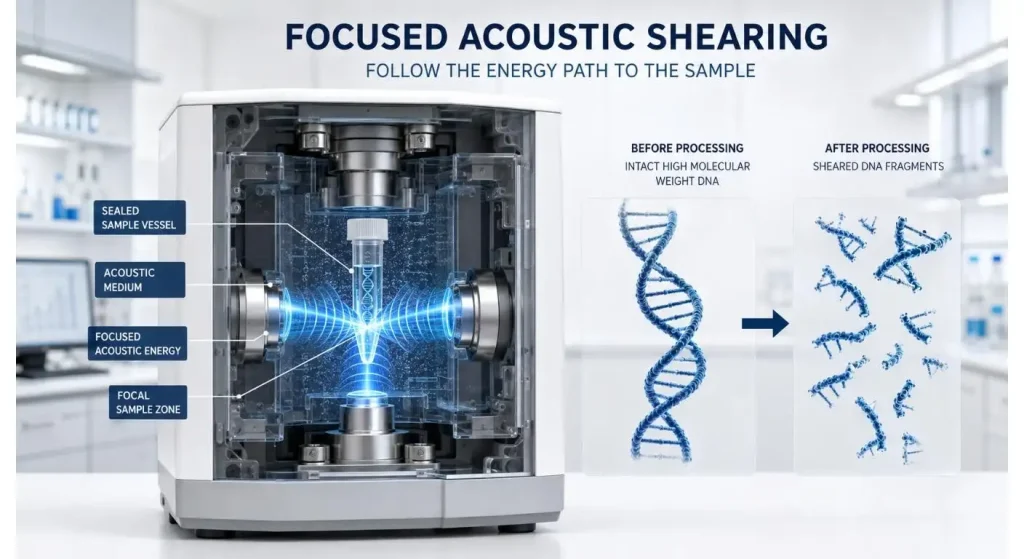
ومع ذلك، حدث الكثير بالفعل بين المحول وشظايا الحمض النووي أو الكروماتين النهائية. تم نقل الطاقة الصوتية عبر وسط اقتران إلى وعاء العينة، وتفاعلت مع السائل وأدت إلى نقطة نهاية من التجزئة.
كل شيء مهم.
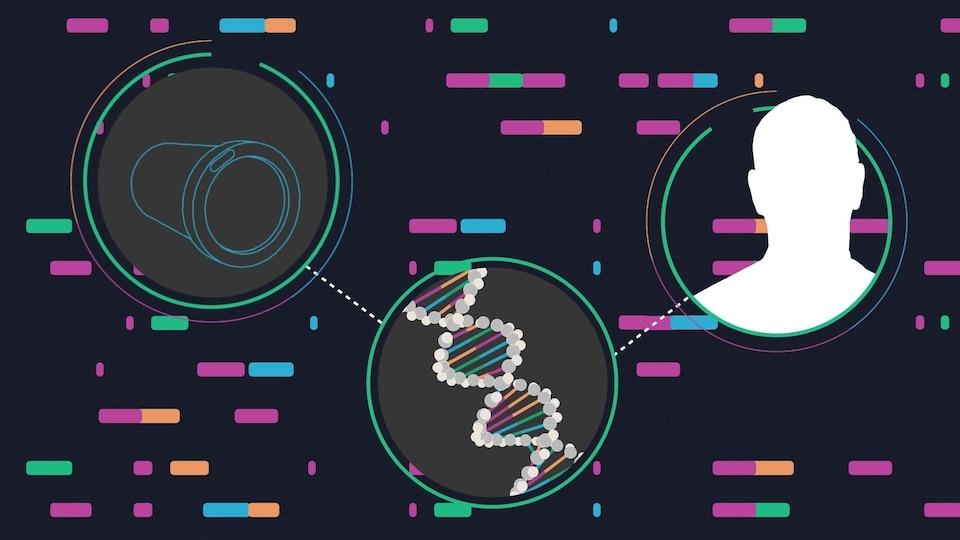
لذا، يجب على المختبرات التي تختبر القص الصوتي المركز أن تأخذ في الاعتبار أكثر من مجرد إعداد طاقة. يصف سير عمل لونغلايت التجزئة الميكانيكية المسيطر عليها كواحدة من الخطوات الأساسية لتحضير عينات NGS، حيث تتم معالجة شظايا الأحماض النووية بواسطة التصوير فوق الصوتي المركز للحصول على شظايا حمض نووي أكثر انتظاما لعمليات سير العمل اللاحقة.
يبدأ القص قبل أن يصل الصوت إلى الحمض النووي:
لا يوجد "رقم قدرة" للعينة.
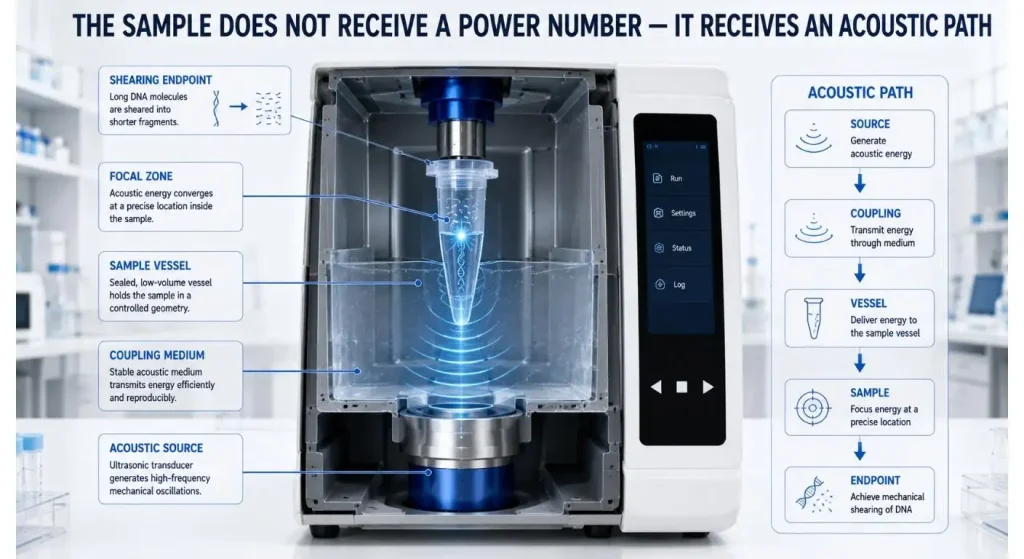
إنه نظام فيزيائي يستقبل الطاقة الصوتية بعد أن يمر عبر النظام.
في التصوير فوق الصوتي المركز، يتم احتواء العينة داخل وعاء مغلق وتوجه الطاقة الصوتية عبر وسط مسيطر عليه وتركز نحو منطقة العينة. يقول لونغلايت إن أنظمة BoFU الخاصة بها تختلف عن أجهزة الحمام والمجسات التقليدية لأن الطاقة الصوتية موجهة نحو حاوية العينة بدلا من المجس.
وهذا يأخذ معنى البروتوكول ككل إلى مستوى جديد.
المحول، الوسط الصوتي، هندسة الوعاء، موقع العينة، وحجم السائل ليست ملحقات مستقلة عن التجربة. يتم دمج هذه النقاط معا لتشكيل المسار الصوتي.
| عنصر المسار الصوتي | ما الذي يجب الحفاظ عليه باستمرار | لماذا هذا مهم |
| المصدر الصوتي | طريقة المعالجة المعتمدة | تعريف توليد الطاقة |
| وسيط الاقتران | حالة التشغيل الصحيحة | ينقل الصوت إلى السفينة |
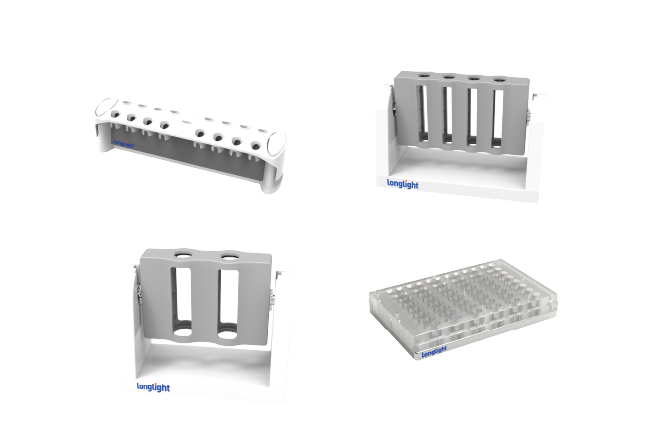
| وعاء العينة | نوع الأنبوب المعتمد | يؤثر على الاقتران الصوتي |
| موقع العينة | الوضع الصحيح | يحافظ على العينة بالقرب من المنطقة البؤرية المقصودة |
| حجم العمل | حجم العينة المحدد | يحافظ على ظروف عينة قابلة للمقارنة |
| درجة الحرارة | بيئة معالجة محكمة | حدود التغير الحراري |
| مراقبة الجودة لنقطة النهاية | نفس طريقة التحليل | تأكيد نتيجة القص الفعلية |
في هذه الحالة، يكون أنبوب العينة مكونا من النظام الصوتي
يمكن التعامل مع أنابيب العينات بسهولة كمستهلكات عامة.
في حالة القص الصوتي المركز، هذا الافتراض يستحق إعادة التقييم.
تلعب الهندسة دورا في إدخال الطاقة الصوتية إلى السفينة. يتأثر النقل وانتقال الحرارة بالمادة. يمكن أن تؤثر المنطقة البؤرية الصوتية والأنبوب أيضا على توحيد تعرض العينة للظروف المرغوبة.
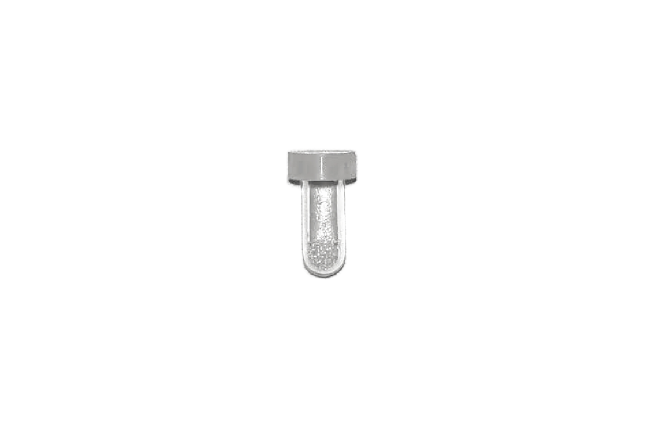
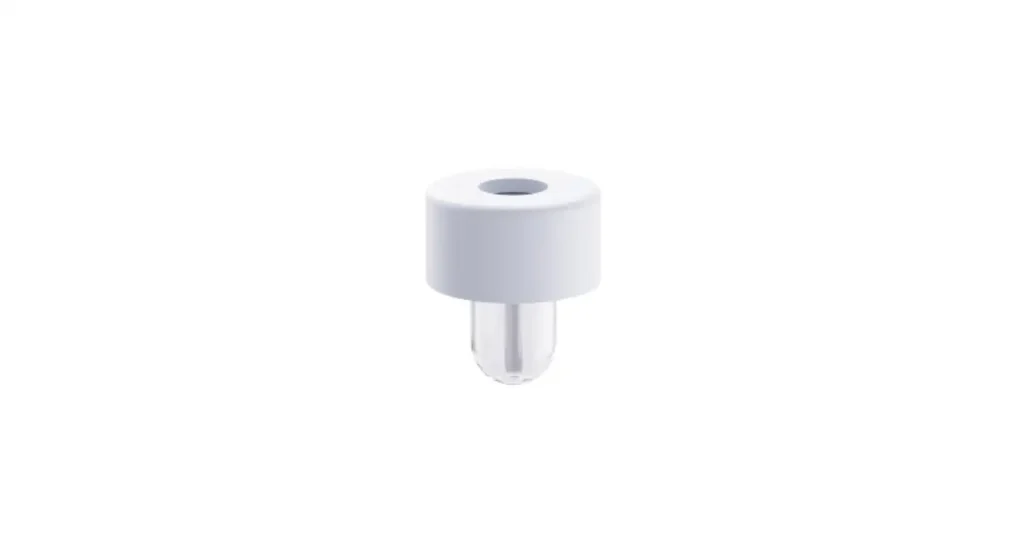
تم تطوير أنبوب BoFU-UniTube الخاص بلونجلايت خصيصا لأنظمة التصوير فوق الصوتي المركزة في BoFU وليس كأنبوب اختبار عام. يتم تسليط الضوء على الاقتران الصوتي، ونقل الطاقة المسيطر عليه، وإدارة الحرارة في وصف المنتج كجزء من تصميم الأنبوب.
ينتج عن ذلك إرشاد سهل لتطوير الطريقة:
عندما يتم التحقق من صحة بروتوكول التجزئة، لا تفترض أبدا أن البروتوكول الصوتي لم يتغير.
يجب ألا تكون التخدير من مسؤولية المشغل
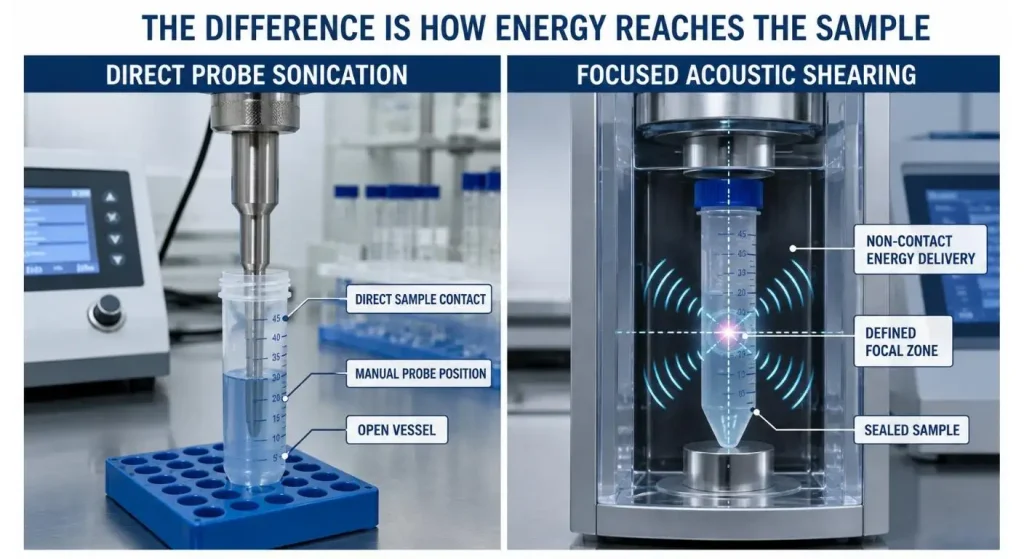
تسمح تقنية السونيكات بإدخال جهاز الصوت فيزيائيا في العينة.
هناك طريقة أخرى للمعالجة الصوتية المركزة. تظل العينة مغلقة بإحكام أثناء نقل الموجات فوق الصوتية في الوسط الصوتي.
وهذا له تداعيات لسببين.
أولا، يلغي عمق المجس والتلامس المباشر مع المجس في إجراء معالجة العينات الروتيني. ثانيا، يقلل من اعتماد هندسة التسليم على تحديد الموقع اليدوي للمسبار من جولة إلى أخرى من قبل المشغل.
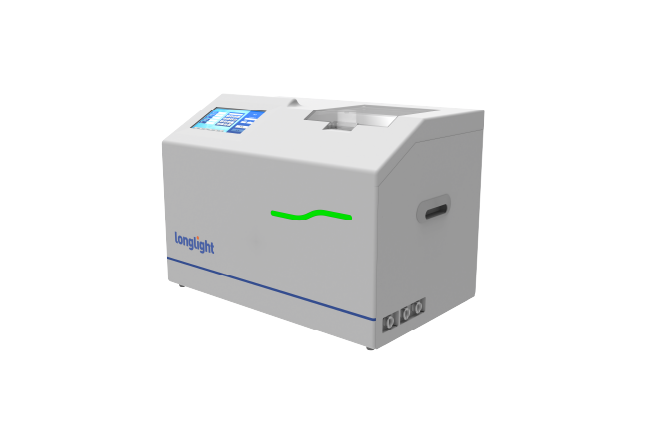
تقنية المعالجة غير التلامسية في لونغلايت BoFU-100 الموجات فوق الصوتية المركزة يعمل عن طريق نقل الطاقة الصوتية المركزة عبر وسط صوتي، لكن العينة البيولوجية تبقى بعيدة عن المسبار.
هذا لا يعني أن تحسين البروتوكول يختفي.
يشير إلى أن المتغيرات تنتقل من وضع اليد إلى أي نظام صوتي أكثر تحديدا.
نقطة نهاية الشظية أفضل من نقطة نهاية الطاقة
خطأ نموذجي في تطوير الطريقة هو الفكرة التالية:
تم استخدام نفس الإعدادات الصوتية، لذا كانت التجربة نفسها،" يقولون.
قد لا تكون هذه الوجهة الأكثر إنتاجية.
عادة ما يركز الباحث على نتائج القص، على سبيل المثال: توزيع حجم الشظايا، استرجاع العينة، التوافق مع تحضير المكتبة، أو ملاءمة الكروماتين أو معيار آخر لاحق.
لذلك، يجب أن يتم تحسين البروتوكول بالعكس.
حدد أولا المنتج النهائي المرغوب من علم الأحياء أو التحليل. ثم حدد الظروف الصوتية التي تنتج ذلك بشكل متكرر.
في حالة الحمض النووي الجيني، قد يكون توزيعا لشظايا مناسبة لعملية تحضير مكتبة NGS معينة. قد تكون نقطة النهاية المقبولة للكروماتين مختلفة لأن التجربة اللاحقة قد تطرح سؤالا بيولوجيا مختلفا.
يمكن تشغيل كلاهما بنفس الآلة، للحصول على طاقة صوتية. لكن هذا لا يعني أنهما نفس طريقة القص.
يمكن تعديل التجربة الصوتية بسهولة عن طريق تغيير درجة الحرارة، مما يؤدي إلى تغييرات هادئة.
لا يمكن إدخال الطاقة الميكانيكية في عينة دون عواقب.
واحدة منها هي الحرارة.
لا يمكن تشغيل بروتوكول يرفع درجة حرارة العينة أثناء البروتوكول في نفس البيئة بالضبط طوال البروتوكول. وهذا أكثر أهمية في حالة المواد البيولوجية الحساسة للحرارة، مثل الأحماض النووية والكروماتين.
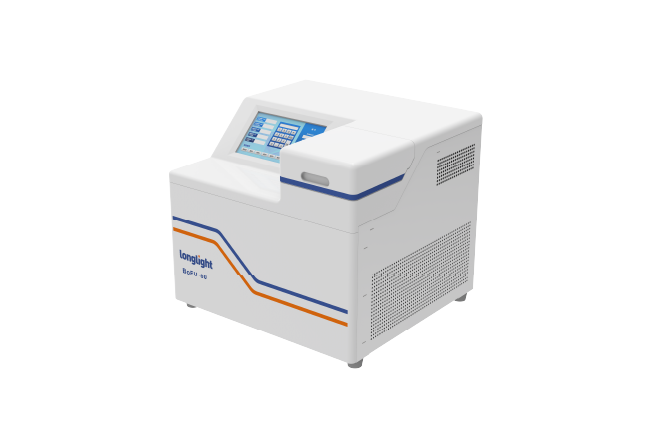
ال جهاز الأشعة فوق الصوتية المركز BoFU-800 وفقا للونغلايت هو بيئة معالجة متساوية الحرارية غير تلامسية مع تحكم في درجة الحرارة، مصممة لتقليل تأثيرات الحرارة الناتجة عن الحرارة أثناء عملية التصوير فوق الصوتي. يمكن للنظام أيضا استيعاب 1–8 عينات ويحتوي على ظروف مخصصة أو دفعية بشكل فردي.
لذا، يجب إدخال درجة الحرارة في سجل الطريقة مع ظروف الصوت ومعلومات العينة.
ليس فقط وظيفة مريحة للآلة.
يجب ألا يفترض كل من قص الحمض النووي وقص الكروماتين!
هناك عدة وظائف بيولوجية ل "القص الصوتي".
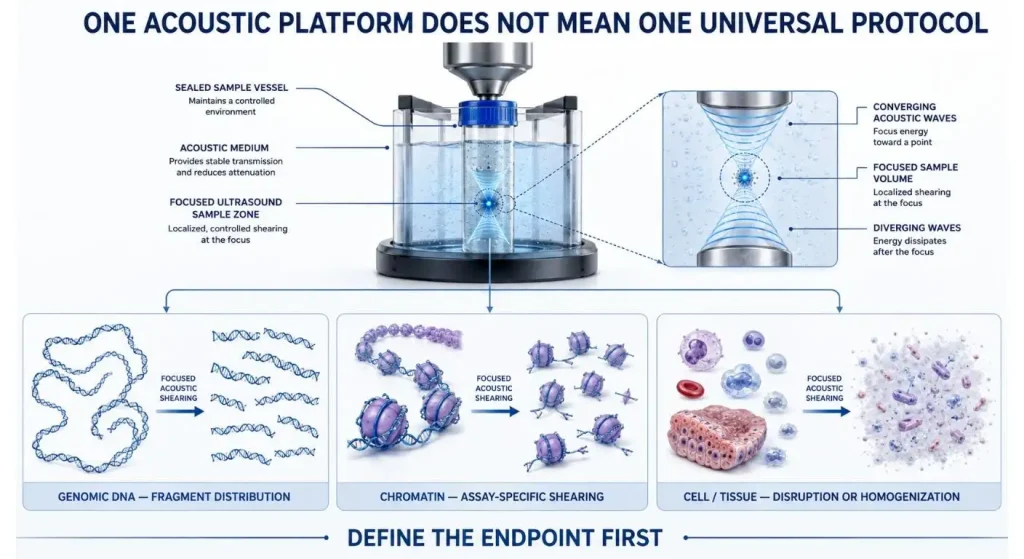
يمكن تحسين تجزئة الحمض النووي للحمض النووي الجينومي لتحقيق توزيع مرغوب لأجزاء الأحماض النووية التي يجب تسلسلها. يجب أيضا أخذ المواد البيولوجية المحيطة بالحمض النووي وكذلك احتياجات سير عمل الكروماتين في المراحل النهائية بعين الاعتبار عند قص الكروماتين.
وبالمثل، فإن معالجة FFPE، وتعطيل الأنسجة، وتحلل الخلايا تخلق هياكل عينات مختلفة تماما.
وهذا أحد الأسباب التي تجعل منصة صوتية واسعة يمكن أن تكون مفيدة، لكنه أيضا سبب يمنع المختبرات من العمل نحو بروتوكول صوت عالمي واحد.
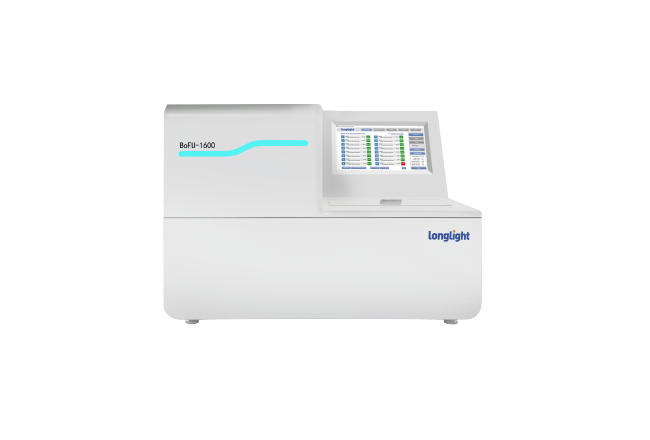
يتضمن جهاز الأشعة فوق الصوتية المركز BoFU-1600 من لونغلايت عددا من التطبيقات تشمل تجزئة الجينوم، وتحضير علم الجينوم/البروتيوميات، وتعطيل الخلايا والأنسجة، ومعالجة FFPE. يمكنه أيضا معالجة العينات باستخدام ظروف فردية أو معلمات دفعة مشتركة لأنه يتميز بتصميم مكون من 16 وضعية.
يمكن مشاركة التكنولوجيا الصوتية مع تطبيقات متنوعة.
يجب ألا تكون إعدادات الصوت نفسها افتراضيا.
| عينة / تطبيق | السؤال الرئيسي قبل التحسين |
| الحمض النووي الجينومي | ما هو ملف الأجزاء المطلوبة في المراحل التالية؟ |
| كروماتين | ما هي نقطة القص التي تناسب اختبار الكروماتين؟ |
| مواد FFPE | ما هي المعالجة المسبقة المطلوبة قبل الاستخلاص؟ |
| الخلايا | هل الهدف هو الاضطراب أو تجزئة الأحماض النووية؟ |
| الأنسجة | كم مقدار التجانس المطلوب فعليا؟ |
| عينات بحثية مختلطة | هل يمكن معالجة طرق مختلفة بشكل مستقل؟ |
في النقل بطريقة يجب أن يكون هناك أكثر من ثلاثة أرقام
في كثير من الحالات، عندما يتم نقل طريقة القص الصوتية المركزة بين المختبرات، تكون الإعدادات الواضحة هي المستخدمة.
هذا مجرد جزء واحد من البروتوكول.
نوع العينة، كمية أو تركيز مدخلات العينة، حجم العمل، وعاء العينة، الظروف الصوتية، ظروف درجة الحرارة، وضع المعالجة وطريقة مراقبة الجودة هي سجلات نقل أكثر فائدة.
وهذا أمر بالغ الأهمية بشكل خاص عندما يقوم المشغلون أو المختبرات بتغيير الأساليب.
الطريقة التي لا يمكن استخدامها دون أن يكون مطوري الآلات واقفين بجانب الأداة ليست طريقة قابلة للنقل جدا.
يتم إجراء فحص القص في نهاية الفحص الصوتي المركز
اتبع مسار الطاقة الكامل قبل استدعاء بروتوكول القص الصوتي للتحقق من صحته.
هل يتم استخدام الحاويات المناسبة؟ هل موضع وربط العينة متسق؟ هل تم تحديد شروط الإدخال؟ هل يتم التحكم في درجة الحرارة؟ هل معايير المكافأة/العقوبة تعتمد على نقطة نهاية الشظية أم فقط إعداد الآلة؟
أكثر الطرق فعالية للقص الصوتي المركز هو اعتبار الطاقة الصوتية عنصرا في نظام معالجة عينات محكم.
الأمر ليس فقط كمية الطاقة التي ينتجها الآلة.
إنه الاتساق الذي تصل به الكمية المناسبة من تلك الطاقة إلى العينة المناسبة تحت الظروف المناسبة.
الأسئلة الشائعة
س1. ما هو القص الصوتي المركز؟
القص الصوتي المركز هو طريقة لقص المواد البيولوجية ميكانيكيا، مثل الحمض النووي والكروماتين، باستخدام طاقة فوق صوتية مركزة. يمكن استخدام الأنظمة المركزة لنقل الطاقة الصوتية إلى وعاء عينات مغلق دون الحاجة إلى مسبار يلمس العينة.
س2. هل هناك حاجة للقص الصوتي المركز لنظام NGS؟
نعم. أحد التطبيقات التي ذكرتها شركة لونغلايت لأنظمة التصوير فوق الصوتية المركزة وسير عمل قص الحمض النووي الريبي هو تجزئة الحمض النووي المضبوط.
س3. هل القص الصوتي المركز هو نفسه صوت المجس؟
هناك نوعان من سونيكيشن المجس: لا. صوت المجس: يتم وضع مسبار صوتي داخل العينة؛ أنظمة الصوت المركزة: يمكنها تمرير وعاء عينات مغلق عبر وسط صوتي.
س4. هل هناك أي تأثيرات لقص الصوت على أنابيب العينة؟
يمكن ذلك. بالنسبة لنظام صوتي مركز، تشكل هندسة الأوعية، والاقتران الصوتي، والسلوك الحراري جزءا من مسار نقل الطاقة، وبالتالي يمكن استخدام أنابيب صوتية مصممة خصيصا.
س5. هل من الممكن استخدام نفس النظام الصوتي المركز للحمض النووي والكروماتين؟
بينما يمكن استخدام منصة موجات فوق صوتية مركزة في كلا التطبيقين، من المهم عدم افتراض أن نفس البروتوكولات ستعمل لكليهما. يجب أن يعتمد تحسين الطريقة على النقطة النهائية وبنية العينة.
