

الوظائف ذات الصلة
الفصل المغناطيسي لعلم الأحياء الجزيئي: الحقول الموحدة تمنع تجمع الخرز
2026-06-22مقدمة
في مختبرات علم الأحياء الجزيئي المعاصر، يعد تنقية الأحماض النووية والبروتينات والخلايا جزءا لا يتجزأ من العمل اليومي للمختبر. من بين جميع طرق الفصل المتاحة، أصبح الفصل المغناطيسي لعلم الأحياء الجزيئي خيارا شائعا لأنه سريع وبسيط ويتطلب جهدا منخفضا للأتمتة. ومع ذلك، عندما يتم توسيع نطاق البحث من تجارب على سطح الطاولة إلى تجارب إنتاجية أكبر، تحدث مشكلة كبيرة: تجميع الخرزات المغناطيسية.
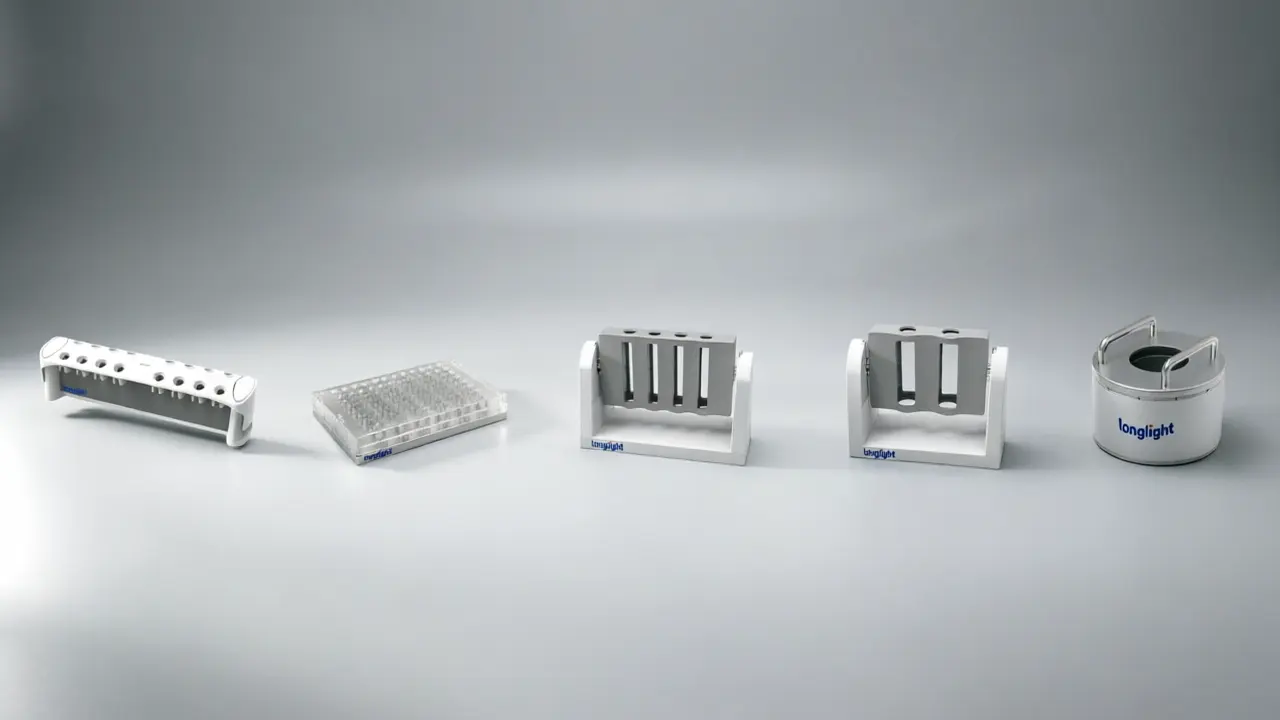
عندما يحدث تجمع الخرزات المغناطيسية، تبدأ المشاكل التالية في الظهور:
• تتأثر مساحة سطح الارتباط - مع تجمع الخرزات في مواقع الربط، تتجمع الجزيئات المستهدفة أيضا، مما يؤثر سلبا على العائد المستهدف مع تشبع مواقع الربط.
• عملية الغسيل تتأثر - بما أن الخرزات متجمعة، فقد تخفي الملوثات التي تحتفل بها، مما يضر بالعينة.
• إزالة العينة مستحيلة - تبقى الجزيئات المستهدفة مرتبطة بالخرزات المجمعة.
زيادة العائد أو التغطية للهدف تزيد من تباين النتائج - النتائج التي تم الحصول عليها من التجارب اللاحقة تنحرف بشدة عن النتائج المتوقعة، مما يجعل تحقيق الامتثال صعبا.
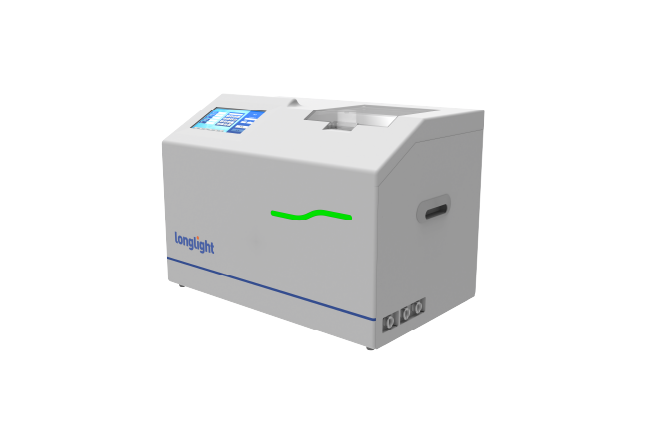
المجالات المغناطيسية تقدم الحل. قدمت شركة لونغلايت تكنولوجي حلا في شكل الفواصل المغناطيسية الحيوية MSG-250 وMSG-1000. تستخدم هذه القطع مجالا مغناطيسيا مضبوطا ومستقرا عبر كامل حجم العمل، مما يوفر بيئة محكومة حيث تتعرض جميع الخرزات المغناطيسية لنفس المجال المغناطيسي دون تحديد مواقع لتدرجات المجال.
فهم علم الحقول المغناطيسية الموحدة
تأثير الحقول غير المتجانسة على التجميع
عادة ما تستخدم الفواصل المغناطيسية التقليدية مغناطيسات دائمة موضوعة بجانب وعاء العينة. وهذا يؤدي إلى إنشاء تدرج حاد للمجال المغناطيسي:
• الخرز الموجود بجانب المغناطيس سيتعرض لجذب قوي يدفعها للتسارع نحو جدار وعاء العينة.
• الخرزات البعيدة ستتعرض لجذب أضعف وبالتالي ستتحرك بسرعة أبطأ.
• يؤدي ذلك إلى سرعة تفاضلية تجعل الخرزات تصطدم بشكل لا رجعة فيه وتتجمع في كتلة كثيفة.
• تصميم المجال الموحد: يمارس المجال المغناطيسي الموحد نفس القوى على كل خرزة في كامل حجم العمل.
• خصائص الحقل المستقرة: الحقل لا يتغير مع مرور الوقت، لذلك يبقى سلوك الخرزات ثابتا طوال مدة عملية الفصل.
• نفس بيئة مجال القوة: يوفر النظام نفس البيئة المغناطيسية لجميع الخرزات مما يجعل سبب التجمع غير موجود.
• آلية الوقاية: بدون وجود مناطق محلية عالية الانحدار، تتحرك الخرزات في نفس الاتجاه نحو نقطة التجميع ولا تصطدم عشوائيا.
أبحاث حديثة تدعم فوائد الحقول الموحدة
الدراسة 1: توحيد استخلاص الحمض النووي الريبي عالي الإنتاجية (2025)
نشر منشور عام 2025 في مجلة الطرق الدوائية والسمومية، بقيادة راجاباكشا وزملاؤها، بمن فيهم رويني د. راجاباكشا، كاثرين بروكس، وفيليب جي. كوهل من شركة لوفليس بيوميديكل، فحص أداء ست مجموعات استخراج للرنا الريبية بناء على خرزات مغناطيسية مستخدمة مع أنواع أنسجة مختلفة. أظهر الفريق أنه من أجل تحقيق عوائد قابلة للتكرار ونقاء الحمض النووي الريبي، كانت هناك حاجة لشروط موحدة للفصل المغناطيسي..
✅ النقطة الرئيسية: لوحظ أفضل أداء في الوضع الآلي الكامل بين جميع الأنظمة لمجموعة Direct-zol-96™ MagBead، عندما تم تطبيق مجالات مغناطيسية موحدة.
• التأثير الواقعي: كشفت الأبحاث أن تطبيق مجالات مغناطيسية غير متسقة سيؤثر على كفاءة استخراج الأنسجة المختلفة (الدماغ، الكبد، الكلى).
• ملاحظة منهجية: تم تطبيق المجالات المغناطيسية المسيطر عليها لنظام كينغفيشر™ فليكس لنقل الخرز.
أهمية الدراسة: كان تركيز الدراسة على التوحيد القياسي هو استخدام أنظمة فصل تحافظ على التجانس.
الدراسة 2: عزل الحمض النووي الريبي المغناطيسي بمساعدة المركبات النانوية (2026)
وصفت دراسة إندر بهان سينغ وسانديب مونجال لعام 2026، التي نشرت في مجلة Forensic Science International، مركبا نانوويا مغناطيسيا NiFe₂O₄@ZnO وتطبيقه في استخراج الحمض النووي الريبي. قارن مؤلفو هذه الورقة مزايا الاستخلاص باستخدام هذا المركب النانوي مع طريقة الاستخلاص الكلاسيكية القائمة على مادة TRI (مادة TRI).
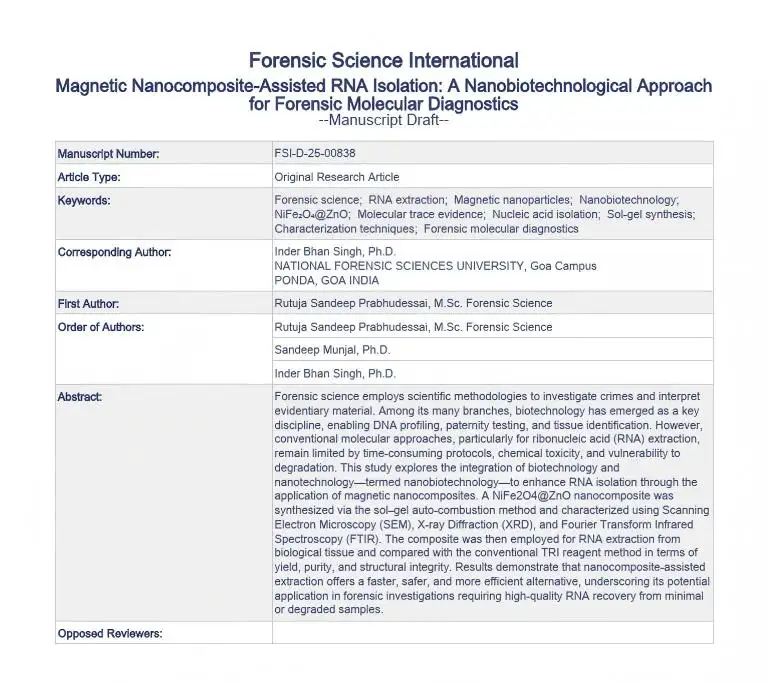
✅ النتيجة الرئيسية: أفاد المؤلفون أن تقنية النانومركب المغناطيسي أدت إلى إنتاجية ونقاء أكبر للحمض النووي الريبي، وألغت الحاجة إلى الطرد المركزي مع تقليل سمية الإجراء.
• الآثار العملية: أظهرت هذه الدراسة أنه مع مستوى التحكم المناسب، يمكن أن يتجاوز الفصل المغناطيسي الأساليب التقليدية في العينات الجنائية الصعبة التي تحتوي على مواد قليلة جدا و/أو متدهورة.
• رؤية المنهجية: لاحظ المؤلفون أن تجانس المجال المغناطيسي له تأثير كبير على تشتت وتجميع الجسيمات النانوية ذاتيا، وربطها وتسريحها.
الصلة بالمجالات الموحدة: تظهر هذه الأبحاث أنه مع تقدم المواد المغناطيسية (المركبات النانوية والخرزات الوظيفية)، تزداد الحاجة للتحكم في الحقول الدقيقة والموحدة.
كم لونج لايت'سلسلة s MSG تحقق فصلا موحدا
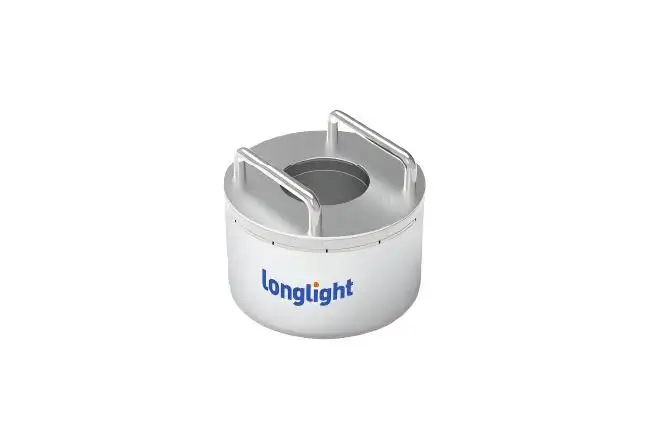
ال الفواصل المغناطيسية الحيوية MSG-250 وMSG-1000 تحتوي على عدة ميزات مبتكرة للحد من تجمع الخرز:
1. بنية المجال المغناطيسي الموحدة
• تغطية حجم التشغيل الكامل: يكون المجال المغناطيسي موحدا في كامل داخل الفاصل.
• تطبيق القوة المتسقة: تطبق القوى المغناطيسية بشكل موحد على كامل حجم وعاء الفصل.
• منع التجمع: ستبقى الخرزات موزعة بشكل موحد على كامل حجم العمل.
• الحفاظ على قابلية التوسع: تظهر خبرة التصميم واضحة على مقياس 250 مل والإنتاج بسعة 1 لتر.
2. تكامل المراقبة في الوقت الحقيقي
• مراقبة الفصل المستمر: يمتلك النظام القدرة على مراقبة الانفصال في الوقت الحقيقي. يمكن تقييم حركة الخرز من حيث التجانس.
• التعديلات في الوقت المناسب: يمكن استيعاب التغييرات في حركية الفصل من خلال تعديلات على النظام.
• قابلية تكرار الفصل: يتم تسجيل كل دفعة فصل ومقارنتها ببيانات الدفعة السابقة.
• التحقق من عملية الانفصال: تتيح المعلومات الفورية التحقق الكامل من عملية الانفصال. وهذا مهم بشكل خاص للعمليات المسيطر عليها.
3. التقاط الخرز المتفوق
• زمن الفصل الأمثل: يستطيع النظام حساب الوقت المثالي للفصل لكل حجم وكل نوع من الخرز.
• استخدام الخصائص البارامغناطيسية للخرز: يمكن التحكم في الالتقاط باستخدام الخصائص المغناطيسية الخاصة لكل تركيبة خرز.
• فقدان عينة أقل: إعدادات الالتقاط الأفضل تقلل من فقدان العينة.
• التقاط أفضل: سيناريو مثالي، على سبيل المثال، توازن مثالي للزمن وتجانس قوة المجال، يؤدي إلى درجة أعلى من الالتقاط.
4. لا يوجد طرد مركزي
• خطوة واحدة: القضاء على الطرد المركزي يسهل عملية عادة ما تكون طويلة في علم الأحياء الجزيئي.
• خطوات المشغلين البسيطة: الدرجات الأدنى في العملية اليدوية تقلل بشكل بطبيعتي من فرصة فقدان العينة والتلوث.
• أسرع: يكون الفصل المغناطيسي أسرع بشكل ملحوظ، وعادة ما يستغرق بضع دقائق فقط مقارنة بالطرد المركزي الذي يستغرق أكثر من ساعة.
• بقاء الخلية: عدم استخدام الطرد المركزي يسمح للخلايا بالبقاء قابلة للحياة بعد الانفصال.
التطبيقات الأساسية في التصميم لعلم الأحياء الجزيئي
تطبق سلسلة تصميم MSG الخاصة بلونغلايت بشكل موحد عبر عدة وظائف أساسية في علم الأحياء الجزيئي.
1. فصل الأحماض النووية
• الحمض النووي الجيني: تم تصميم المجالات المغناطيسية لتكون لطيفة ومتسقة للمساعدة في تجنب قص الحمض النووي.
• تنقية ال mRNA: تضمن الحقول المغناطيسية الموحدة أيضا التعافي الكامل للخرز.
• عزل الأحماض النووية الفيروسية: نظرا لحجم إنتاج اللقاح، يجب أن تكون الفصلات موثوقة من الناحية التكرارية.
• تنظيف PCR: يستخدم في النسخ التي تشكل رسوبا بعد إزالة النيوكليوتيدات الزائدة.
2. تنقية البروتين
• Ni-NTA للبروتينات الموسومة به: الهطول أثناء خطوات الغسيل/الإزالة هو مصدر قلق أكبر.
• تنقية الأجسام المضادة القائمة على الخرزات المغناطيسية: ترتبط حبات A/G البروتينية بشكل جيد جدا.
• الخرزات المغناطيسية للاستقرار المناعي: لتغيير الانتقائية للهدف، يجب أن تكون الخرزات من نفس النوع.
• التحفيز الحيوي: يمكن إعادة استخدام خرزات الإنزيم في العديد من التفاعلات.
3. فرز الخلايا
• فصل الخلايا المناعية المغناطيسية: يتم التقاط الخلايا التائية، خلايا NK، والخلايا الجذعية دون استخدام الطرد المركزي.
• فصل الخلايا النادرة عن الخلايا المتداولة: الطبيعة النادرة والدورية لخلايا الت والورم والجنين تجعل عزلها صعبا ويجب أن يكون معدل تعافيها مرتفعا.
• بروتوكولات الاستنزاف: الاسترداد الكامل للخرز المغناطيسي أمر ضروري لإزالة مجموعة خلايا غير مرغوبة، مثل وحيدات CD14، في سياق CAR-T.
• تطبيقات الخلية الواحدة: استعادة الخرزات المغناطيسية توحد البروتيوميات وعلم النسخ على مستوى الخلية الواحدة.
4. مزايا السلامة وقابلية التوسع
• حماية المشغل بالتصميم: المغناطيسات الدائمة الكبيرة تشكل مخاطر سلامة لأنها قد تضغط الأصابع وتتلف المعدات الإلكترونية التي تقع بالقرب منها. كما أنها مصدر قلق للأشخاص الذين لديهم أجهزة طبية مزروعة.
• تصميم محمي خاص: أنظمة MSG ذات الضوء الطويل لها تصميم خاص يحمي المجال المغناطيسي إلى مساحة العمل.
• سلامة التشغيل: يمكن لموظفي المختبر العمل بالقرب من المفاصل دون احتياطات خاصة أو مناطق وصول مقيدة.
• التوافق مع GMP: يوفر تصميم السلامة ميزة خاصة للاستخدام في بيئات الإنتاج المنظمة.
5. قدرات التوسع
• من الميليتر إلى عشرات اللترات: ينطبق نفس مبدأ الحقل الموحد على جميع خطوط منتجات MSG السلسلة.
• خيارات الحجم المخصصة: يمكنك دمج أحجام السفن غير القياسية دون التأثير على توحيد الحقل.
• اتساق الدفعة: التكبير من تصميم الحقل النسبي أسهل لأنه يقلل من التجميع.
• اقتصاديات الإنتاج: فقدان المواد الخام أقل بسبب تقليل المنتج المهدر.
الخاتمة
في كتاب "الفصل المغناطيسي لعلم الأحياء الجزيئي"، يؤثر تجمع الخرز سلبا على الإنتاجية والنقاوة وقابلية التكرار. تظهر دراسات 2025-2026 أن استخراج الحمض النووي الريبي عالي الإنتاجية السريري، والمركبات النانوية الجنائية، والعلاجات الخلوية، فإن استخدام مجالات مغناطيسية موحدة ومضبوطة جيدا بالحجم والتصميم المناسبين سيحقق أفضل النتائج.
تصميم شركة Longlight Technology للفواصل المغناطيسية الحيوية MSG-250 وMSG-1000 يعالج هذا من خلال تصميمه من خلال دمج مجالات مغناطيسية موحدة ومستقرة في مساحة العمل، والتحكم في العمليات في الوقت الحقيقي، والسلامة للمشغل. بالنسبة لمختبرات علم الأحياء الجزيئي، من البحث إلى الإنتاج، تقدم هذه الأنظمة حلا مثبتا للفصل الموثوق والخالي من التجمعات.
للحصول على مزيد من المعلومات حول المنتج أو للحصول على عرض سعر لمجلد مخصص، يرجى زيارة موقع Longlight Technology.
الأسئلة الشائعة
س1: لماذا تتجمع الخرزات المغناطيسية عند فصلها؟
ج: الحقول المغناطيسية غير المتسقة تخلق مناطق ذات تدرجات عالية موضعية. تتعرض الخرز لقوى مختلفة، مما يؤدي إلى تجمعها.
س2: لماذا يمنع المجال المغناطيسي الموحد تجمع الخرز؟
ج: يجعل جميع الخرزات تتحرك بنفس الطريقة، وبالتالي لا تصطدم ببعضها البعض من خلال التأكد من أن جميع الخرزات تتعرض لنفس القوة في كامل حجم العمل.
س3: هل من الممكن ل MSG-250 فصل أحجام أقل من 250 مل؟
ج: نعم، تصميم الحقل الموحد يسمح بالفاصل في نطاق المليلتر. يمكن تطبيقه على كل من البحث والإنتاج على حد سواء.
س4: هل مراقبة العملية في الوقت الحقيقي توقف التجميع بمجرد بدايتها؟
ج: نعم، هذا صحيح. يستطيع المشغلون ملاحظة حركية الفصل والانحرافات الصحيحة قبل أن يحدث التجميع.
س5: في أي مجالات من علم الأحياء الجزيئي يستخدم المجال الموحد غالبا؟
ج: لاستخراج الأحماض النووية، وتنقية البروتينات، وفرز الخلايا، والتحفيز الحيوي، وأيضا لتطوير المواد التشخيصية.
