

الوظائف ذات الصلة
مجموعات قياس الفلورومتر: دليل عملي لقياس العينات الحساسة
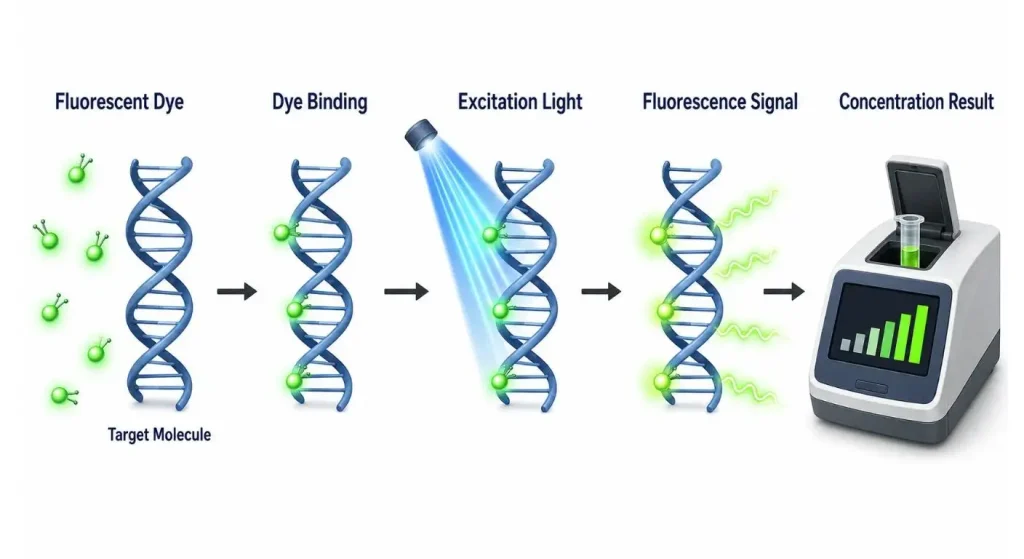
2026-07-27في مختبرات علم الأحياء الجزيئي، يمكن قياس الحمض النووي النووي، أو الحمض النووي الريبي، أو البروتين باستخدام مجموعة فلورومتر تستخدم التألق. تعتمد هذه الاختبارات على أصباغ لها إشارة أعلى عند ربطها بهدف محدد، بدلا من قياس امتصاص الأشعة فوق البنفسجية الكلي. تكون هذه الانتقائية مفيدة إذا كانت العينات مخففة أو صغيرة الحجم أو ملوثة بمواد أخرى قد تتداخل مع قياسات الامتصاص.
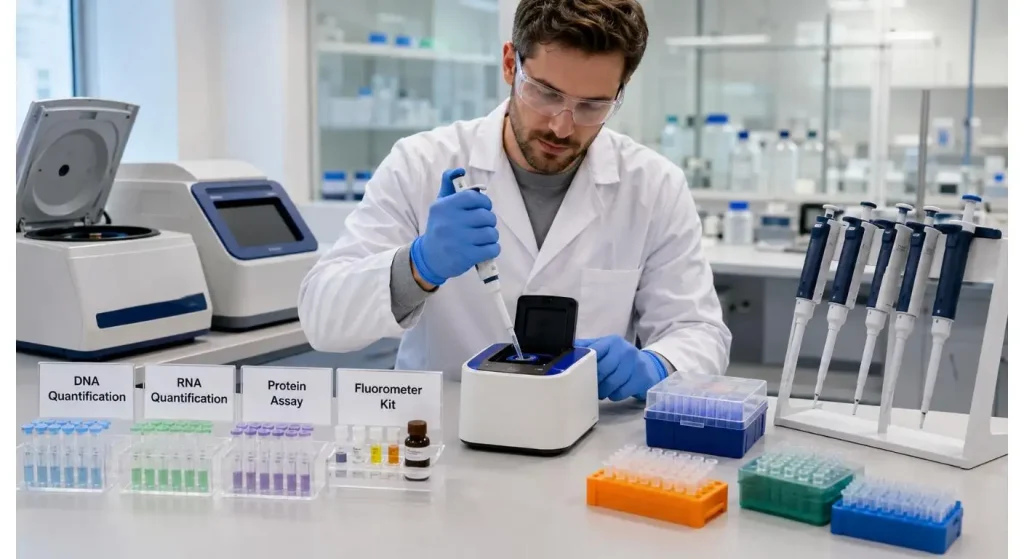
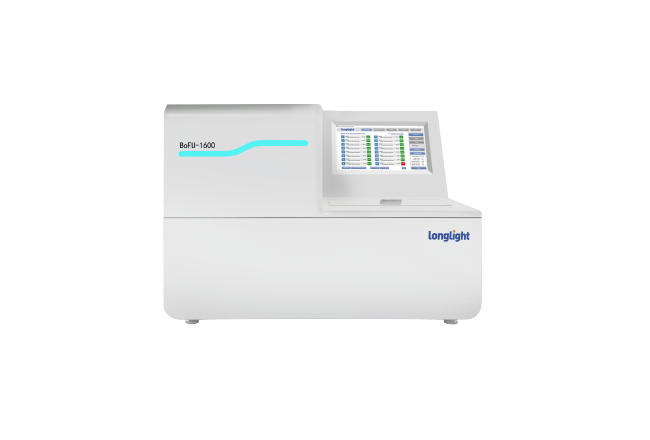
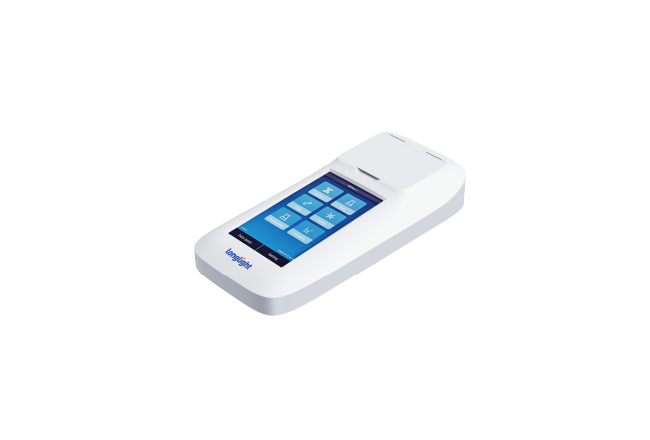
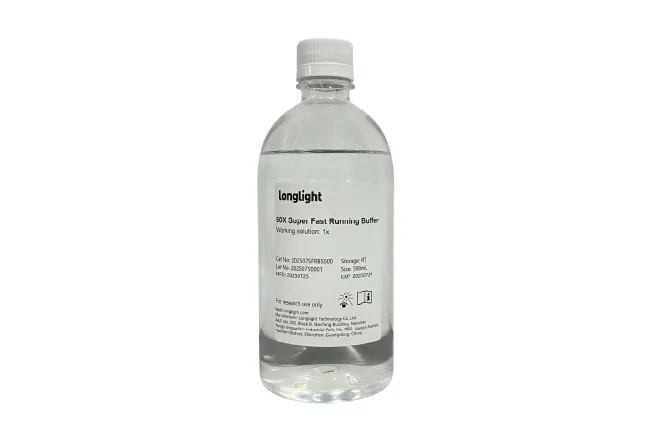
عادة ما يتضمن سير العمل الكامل مادة كاشف اختبار، ومخزن تخفيف، ومعايير، وأنابيب أو ألواح اختبار، وفلورومتر مناسب للإجراء. يعد نطاق الاختبار أمرا بالغ الأهمية للحصول على نتائج موثوقة، بالإضافة إلى اتساق إعداد المعايير، والحماية من التعرض غير المناسب للضوء للكواشف، وتسجيل جميع التخفيفات بدقة.
تحتوي مجموعة الفلورومتر على جميع المواد والإمدادات اللازمة لقياس التألق
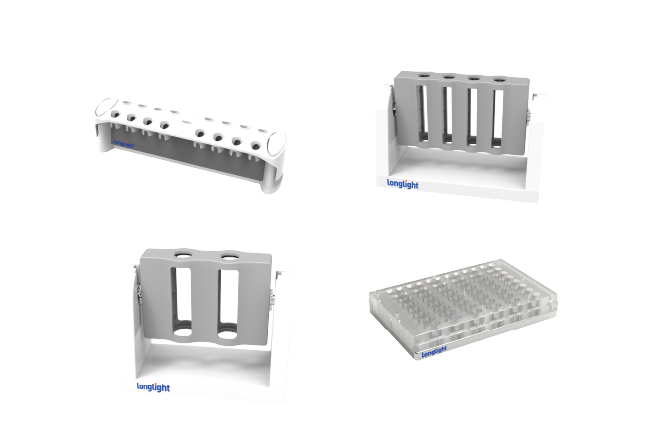
تتكون غالبية مجموعات اختبار الفلورومتر من صبغة فلورية مركزة للغاية، ومخزن اختبار ومعايير مرجعية. كما تتضمن بعض المجموعات أنابيب أو بطاقات بروتوكول أو إعدادات اختبار خاصة بالأجهزة.
كيمياء الصبغة ستكون العامل الحاسم لما سيقيسه الاختبار. يجب إجراء قياس انتقائي للحمض النووي dsDNA على مجموعة DNA مزدوجة السلسلة. اختبارات الحمض النووي الريبي، والحمض النووي أحادي السلسلة، والبروتين تعتمد على كيمياء ارتباط مختلفة ولا يمكن استبدالها.
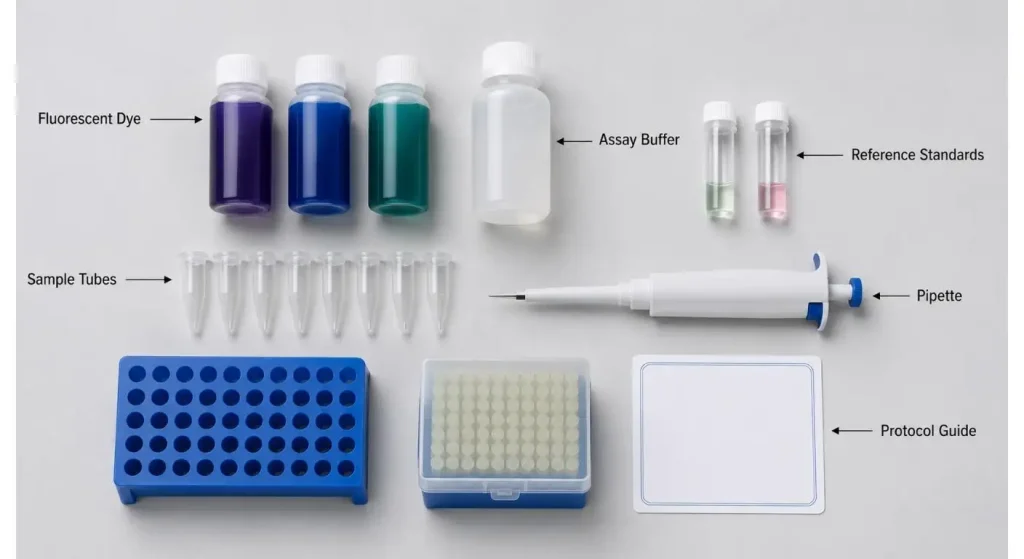
مثال على ذلك أن المجموعات التجارية ل dsDNA يمكن أن تتضمن كاشف اختبار مركز، وعازل مخفف، ومعايير DNA مخفف مسبقا. تتوفر أنظمة أخرى توفر كواشف متوافقة مع مقاييس الفلور ذات الأنبوب الواحد أو الصفائح الدقيقة بأطوال موجية مناسبة للإثارة والانبعاث.
أحيانا، يكون الفلورة أفضل من امتصاص الأشعة فوق البنفسجية
يعتمد تقدير تركيز الأحماض النووية بواسطة مطيافية الأشعة فوق البنفسجية على الامتصاص عند 260 نانومتر. إنه سريع ومفيد لنسب النقاء، لكن الأملاح، والنيوكليوتيدات الحرة، والبروتينات، والحمض النووي الريبي، والحمض النووي، وغيرها من المركبات العضوية يمكن أن تؤدي إلى إشارة امتصاص.
تم تصميم اختبارات الفلورسنت لتكون أكثر تحديدا لتحليل معين معين. يمكن أن يكون هذا مفيدا لتعزيز دقة العينة منخفضة التركيز أو العينة التي قد تحتوي على ملوثات محتملة. لذا يمكن أن يكون القياس الفلورومتري أكثر حساسية وانتقائية من امتصاص الأشعة فوق البنفسجية لقياس حمض نووي أو حمض نووي أو حمض نووي أو بروتين محدد.
يمكن استخدام كلا الطريقتين معا. يمكن استخدام الفلورة لقياس تركيز هدف معين، ويمكن أن توفر الأشعة فوق البنفسجية قياسا للنقاء بشكل عام.
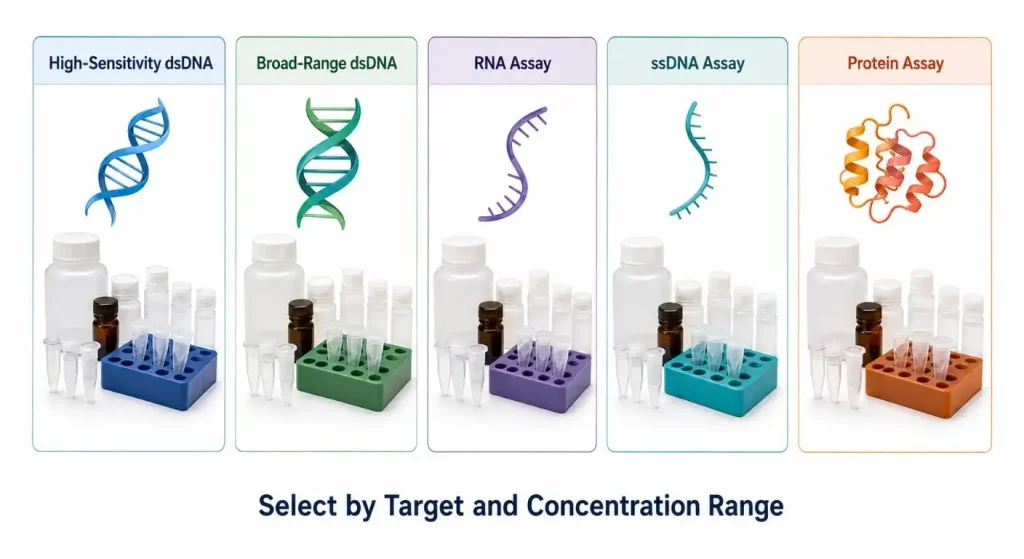
اختر المجموعة الخاصة بنطاق التحليل والقياس.
هناك عدة أنواع شائعة من مجموعات الفلوروميتر الشائعة، مثل:
- اختبارات dsDNA عالية الحساسية
- اختبارات dsDNA واسعة النطاق
- اختبارات الحمض النووي الريبي
- اختبارات ssDNA
- اختبارات البروتين
- اختبارات جودة الحمض النووي الريبي
يمكن اكتشاف المستخلصات منخفضة التركيز ومكتبات التسلسل المحضر بواسطة اختبار عالي الحساسية. الاختبارات الضيقة المدى أفضل للعينات عالية التركيز. العينات خارج النطاق المعتمد ستحتاج إلى تخفيف التخفيف، وإلا قد تكون النتائج أقل موثوقية.
قد تختلف نمطات القياس بين المجموعات عالية الحساسية والمجموعة واسعة النطاق وتكون لنفس التحليل الكهربائي. لذا يجب اختيار الاختبار بناء على التركيز المتوقع، وليس فقط بناء على اسم العينة.
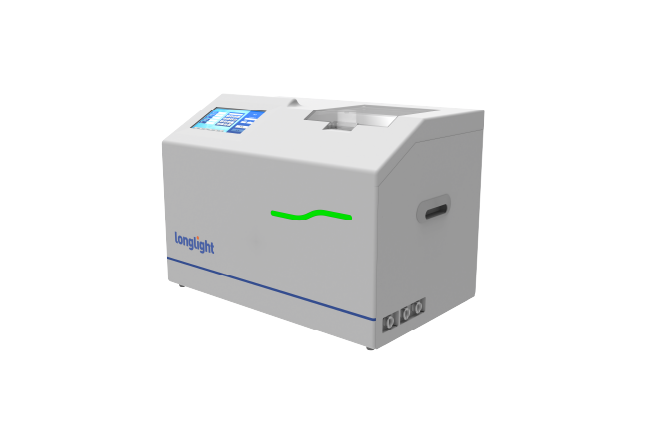
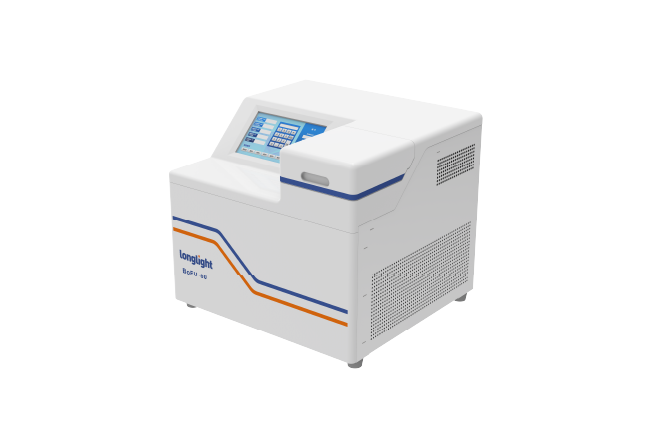
يجب أن تكون المجموعة متوافقة مع جهاز الفلورومتر أيضا. تحقق من قنوات الإثارة والانبعاث، وشكل الأنبوب/اللوحة، وحجم العينة، وطريقة المعايرة، وخيارات الفحص المبرمجة. يمكن برمجة بروتوكولات محددة مسبقا في بعض أجهزة قياس الفلور لتحليل dsDNA والحمض النووي الريبي وssDNA، بينما يمكن برمجة بروتوكولات أخرى بشكل مخصص.
اكتب تعريفات حجم العينة ومعدل النقل
الحجم الصغير مفيد إذا كان من الصعب الحصول على العينات، أو إذا كان يتطلب الحفاظ عليها للتجارب اللاحقة. يتطلب بعض الأنظمة الفلورومتري على سطح الطاولة بضعة ميكرولترات من العينة، لكن عادة ما يتم وضع العينة في محلول عامل أكبر حجما.
معدل النقل عامل مهم أيضا. للقياسات العرضية والدفعات الصغيرة، قد يكون مقياس الفلور بأنبوب واحد مناسبا. قد يفضل استخدام جهاز أو سير عمل ميكروبليت يمكنه معالجة عينات استخراج متعددة أو مكتبات تسلسل متعددة للمختبرات التي تحتوي على العديد من العينات.
ليست كل آلة موسيقية هي الأكثر عملية. يجب أن يقلل النظام الجيد من تكرار الأنابيب المتكررة، ويجعل التحضير المنتظم أسهل، ويتناسب مع الكمية الفعلية من العينات التي سيتعامل معها المختبر بشكل منتظم.
اتباع سير عمل متسق للاختبارات
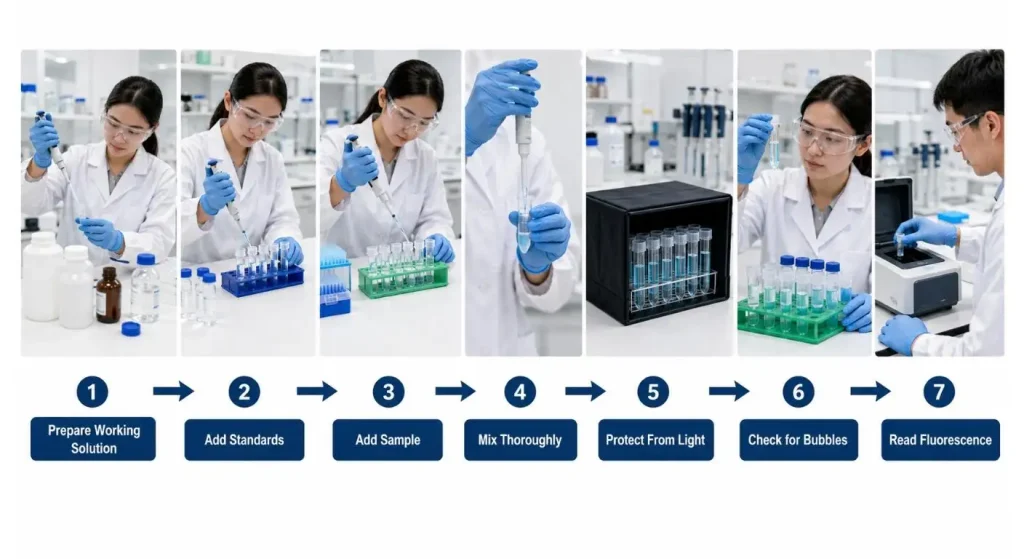
فيما يلي بروتوكول قياسي لمجموعة الفلورومتر:
- A. الحل العملي جاهز. تم إيجاد حل عملي.
- وضع المعايير اللازمة
- إضافة كل عينة مجهولة
- خلط العينات والمعايير معا بشكل شامل
- الحضانة لفترة محددة
- منع ردود الفعل الناتجة عن التعرض غير المناسب للضوء
- استخدام مسطرة لقياس عرض وطول الدماغ.9. القياس الصحيح للدماغ باستخدام المسطرة.
- تطبيق عوامل التخفيف في العينات
استخدم الماصات المعايرة لتحضير واستخدام المعايير والعينات بنفس الطريقة. إذا تم تنفيذ خطوة التوصيل بحجم منخفض، يمكن لخطأ بسيط في الحجم أن يحدث فرقا كبيرا في التركيز النهائي.
الوقت المطلوب للحضانة مهم أيضا. أخذ عينة في البداية، وأخرى لاحقا بشكل كبير، يمكن أن يسبب اختلافات غير ضرورية. بعض الاختبارات أيضا حساسة لفرق درجة الحرارة بين المعايير والعينات.
استخدم المعايير، والفراغات، والتكرارات بشكل مناسب
تستخدم المعايير لربط كمية المحلل بشدة الفلورة. يجب خلطها جيدا، ووضع علامات صحيحة، والحفاظ عليها بعيدا عن التلوث.
عندما يتم إدخال عينة مجهولة في فراغ، تكون الإشارة المقاسة بسبب المادة المختصة أو المخزن أو الأنبوب أو مصفوفة العينة الخلفية. القياسات المكررة مفيدة إذا كانت العينة ذات قيمة، أو كان التركيز الدقيق قريبا من حد الاختبار، أو إذا كان هناك نتيجة غير متوقعة ستؤثر على عملية مكلفة في مرحلة لاحقة.
إذا كانت هناك قراءات مكررة تختلف مع ذلك، فلا تحسب ببساطة متوسط القراءتين. تحقق من دقة التوصيل، خلط العينات، وجود الفقاعات، نظافة الأنبوب، وقت الحضانة، درجة الحرارة ونطاق القياس المختار.
لدى الرجال والنساء طرق مختلفة لقياس الألم
بعض الأسباب الشائعة لنتائج الفلورومترية غير الموثوقة هي:
- اختيار الاختبار الخاطئ للهدف
- اختيار نطاق حساسية غير مناسب
- عدم استخدام الحاوية المناسبة للتخزين والتحضير
- إضافة أحجام عينات غير متسقة
- وجود الملوثات في المعايير أو الحل العامل.
- الفخ لترك الفقاعات في المسار البصري.
- يحظر استخدام الأنابيب المخدوشة أو غير المتوافقة. الأنابيب المخدوشة أو غير المتوافقة غير مسموح بها.
- التعرض المفرط للكواشف الحساسة للضوء
- لا تأخذ في الاعتبار أن عدد الخلايا في العينة ينخفض بسبب التخفيف.
- استخدام الجهاز خارج نطاق الجهاز المعتمد.
يمكن أن تلوث العينات المركزة أيضا الماصات أو مناطق العمل، وتؤثر على العينات منخفضة التركيز مستقبلا. يتم تقليل ذلك بواسطة رؤوس جديدة، وأسطح عمل نظيفة، وتسلسل عينات نسبية.
اربط القياس بسير العمل اللاحق عن طريق سحبه إلى سير العمل اللاحق
غالبا ما تستخدم مجموعات الفلورومتر قبل PCR، qPCR، الاستنساخ، تحضير التسلسل والمكتبات، الرحلان الكهربائي، النقل وسير العمل الأخرى التي تتضمن إدخال عينات محكمة.
القياس الكمية مهم لتطبيع العينات، ومقارنة عائد الاستخراج، والحصول على مدخلات تفاعل متسقة. يتم تطبيق اختبارات RNA (القائمة على الفلورة) قبل تطبيقات أخرى مثل RT-PCR وتحضير مكتبات cDNA؛ يتم تطبيق قياس الحمض النووي في تطبيقات لاحقة متنوعة مثل PCR، الاستنساخ، النقل الكهربائي، والتسلسل من الجيل التالي.
لذا يجب أن يكون اختيار المجموعة مبنيا على القرار الذي اتخذ بعد القياس. يمكن استخدام اختبار واسع النطاق أثناء فحص الاستخراج الروتيني، واختبار أكثر حساسية للعمل في تسلسل الإدخال المنخفض.
احتفظ دائما بالمواد الكيميائية وتعاملها بشكل مناسب
قد تكون المواد الفلورية ضوئية، وحساسة للحرارة والتعامل مع الحيوانات. أخزن، سخن، اخلط، وانتهت صلاحيتها حسب تعليمات المجموعة. ليس كل الأصباغ الفلورية يمكن تجميدها أو تخزينها في درجة حرارة الغرفة أو تعرضها لضوء المختبر.
ضع علامة واضحة على حلول العمل وتذكر أن تسجل تاريخ صنعها. قبل الشك في تغير العينات الأصلية، تحقق من عمر الكاشف، وتاريخ تخزين الكواشف، والمعايير، والماصات، وضبط الأجهزة، ودرجة الحرارة وتوافق الأنابيب.
استنتاج
مجموعات قياس الفلورومتر حساسة وانتقائية للكشف عن قياس كمية الحمض النووي النووي، أو الحمض النووي الريبي، أو البروتين، خاصة في العينات الثمينة أو المخففة. يتطلب القياس الموثوق أن يكون الاختبار مناسبا لنطاق التحليل والتركيز، واستخدام فلوروميتر مناسب، وإعداد متسق للمعايير، والتحكم في العملية بأكملها.
ليس الطقم الذي يحتوي على الحد الأدنى للكشف هو الأفضل في الجهاز. وهو الذي يطابق نوع العينة، ومعدل الإنتاجية، والتطبيق في مرحلة لاحقة، ومتطلبات مراقبة الجودة للمختبر.
الأسئلة الشائعة
س1. ما هي تطبيقات مجموعة قياس الفلورومتر؟
هناك عدة مجموعات مختلفة متاحة لاختبارات جودة dsDNA، ssDNA، RNA وبعض اختبارات جودة RNA. يجب أن تكون كيمياء الطريقة المستخدمة في الفحص مناسبة للهدف.
س2. أيها أكثر فعالية، مجموعات قياس الفلورومتر أم طرق الأشعة فوق البنفسجية؟
يميلون لأن يكونوا أكثر تحديدا وحساسية تجاه تحليل معين. لا يزال امتصاص الأشعة فوق البنفسجية صالحا لاختبار النقاء نصف النهائي ولقياس النقاء الكلي للعينة.
س3. كم من العينة تحتاج؟
الحجوم ستكون مختلفة حسب الاختبارات والأجهزة! في الواقع، هناك العديد من أنظمة الطاولة المتاحة، والتي تتطلب فقط بضعة ميكرولترات من العينة الأصلية.
س4. ما هو الكاشف المستخدم لاختبار حمض نووي RNA؟
عادة ليس بشكل انتقائي. في التطبيق الروتيني، قد يرغب المرء في قياس محتوى الحمض النووي النووي و/أو الحمض النووي الريبي، لذا قد يكون الاختبار محددا لواحد إلى واحد أو كلاهما.
س5. ما سبب التفاوت في النتائج من النسخ المختلفة؟
غالبا ما تكون هذه المشاكل ناتجة عن خطأ في التصويب، أو خلط غير كاف، أو فقاعات، أو تلوث، أو خطأ في درجة الحرارة أو نطاق القياس.
