

الوظائف ذات الصلة
دليل تحسين تجزئة الحمض النووي في العينات التي يصعب تحليلها
2026-06-18يعد تجزئة الحمض النووي خطوة أساسية في تحضير العينات عبر تخصصات متنوعة تشمل علم الجينوم، والتشخيص الجزيئي، والبروتيوميات. ومع ذلك، فإن وجود جدران خلاوية قوية أو أنسجة صلبة يشكل تحديا كبيرا في تحقيق تجزئة متسقة وعالية الجودة للحمض النووي. يتناول هذا الدليل الصعوبات المرتبطة بالكائنات والأنسجة العنيدة على التحلل، ويقدم بعض التوصيات المبنية على الأدلة لتحسين الأدلة، ويناقش مزايا تقنية الموجات فوق الصوتية المركزة.
[تجزئة الحمض النووي | AAT Bioquest]
التحديات المرتبطة بالعنيدة في تحليل العينات
تغطي مجموعة العينات البيولوجية الموجودة في المختبرات البحثية والسريرية مملكة الميكروبات والنباتات. تقاوم جدران الخلايا القوية للكائنات مثل البكتيريا الفطرية والسلالات المكونة للأبواغ، بالإضافة إلى أنسجة النباتات الغنية بالسيلولوز والليغنين، معظم طرق تحضير العينات القياسية.
ما الذي يجعل بعض العينات مترددة في التحليل الصناعي؟
• مقارنة بالخلايا الحيوانية، تحتاج أغشية الخلايا للبكتيريا الموجبة جرام، والفطريات، والفطريات، والنباتات إلى طاقة أكبر، سواء ميكانيكية أو كيميائية، ليتم تعطيلها.
ما هي آثار التحليل غير الكافي؟
• يؤدي الاضطراب الضعيف للعينات إلى انخفاض إنتاجية الحمض النووي، ومكتبات التسلسل المتحيز، وتأثيرات لاحقة لعملية PCR مثل انخفاض الكفاءة وضعف القياس.
بالنسبة لهذه الأنواع من العينات، تعتمد الطرق القياسية مثل الهضم الكيميائي، ودورات التجميد والذوبان، وخفق الخرز على تنفيذ اضطراب ميكانيكي أكثر تحكما بسبب نتائجها غير المتسقة.
التقدم في فهم تجزئة الحمض النووي
بنت الاكتشافات العلمية الرئيسية أساسا لفهم التجزئة. في دراسة رئيسية أجريت عام 2025، اخترع فو وآخرون طريقة للقص بالموجات فوق الصوتية بوساطة خرزات الزركونيا، والتي يمكن أن تنتج بحجم شظايا يبلغ حوالي 15 كيلو بازي من λDNA المنقى، خلال 20 ثانية فقط من الصوت. دفعت هذه الطريقة حدود تسلسل الجزيئات الأحادية (SMS) من خلال توفير حل لعنق الزجاجة الناتج عن الإنتاج غير الفعال لشظايا بقوة ≥10 كيلوبت لكل حرارة، باستخدام تقنيات تقليدية للقص بالموجات فوق الصوتية لتحضير مكتبات الرسائل النصية.
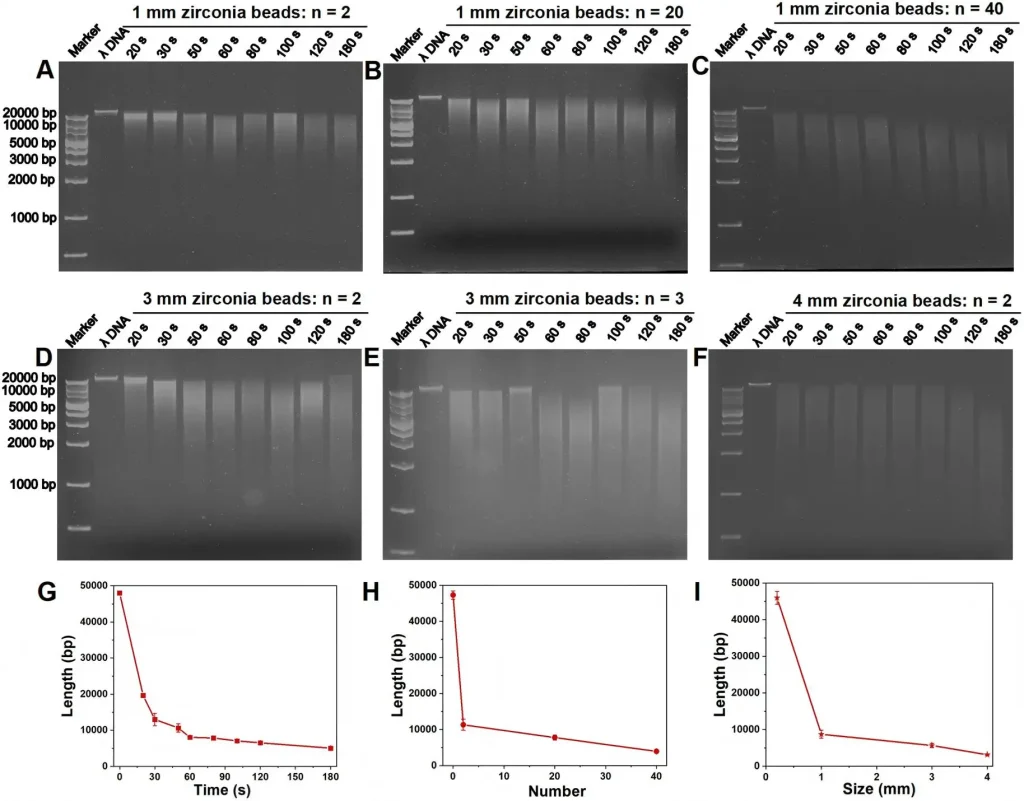
[استراتيجية فوق صوتية سريعة وفعالة بوساطة خرزات زركونيا ل
تجزئة الحمض النووي حتى 10 كيلو بت في الثانية - تقدم RSC
في عمل رئيسي آخر نشر عام 2025، وصف هاهمان وزملاؤه من معهد ماكس بلانك لأبحاث البوليمرات وجامعة RWTH آخن استخدام الموجات فوق الصوتية لتحقيق تجزئة محكومة بالتسلسل في الحمض النووي. وصف هذا العمل إعادة توجيه التجزئة العشوائية سابقا إلى نقاط ضعف محددة ومتعمدة في سلسلة DNA مقطوعة جزئيا باستخدام الشقوق. نشر هذا العمل في مجلة كيم، وقدم أفكارا جديدة وأبعادا إضافية لتطوير بروتوكولات لتحقيق التجزئة المسيطر عليها للعينات المعقدة والتحدي.
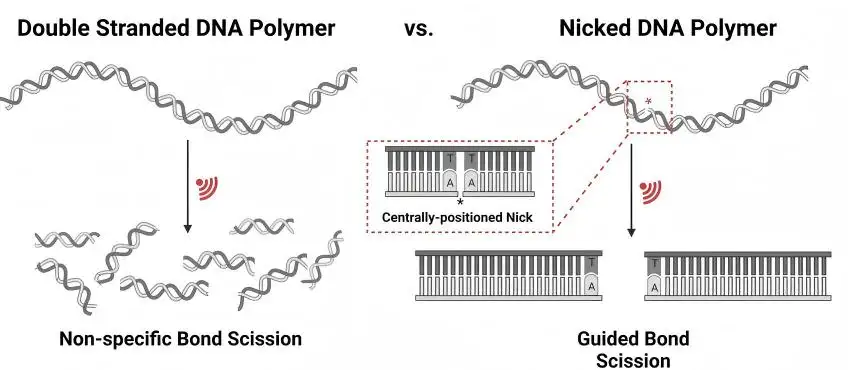
التحديات والاعتبارات في تجزئة الحمض النووي
[يوهانس هامان، بوريس ن. شوب، أمان إسحاق، أرجونا سيلفاكومار،
روبرت غوستل، فراوكه غريتر، وأندرياس هيرمان.
"الكيمياء الميكانيكية الخاصة بالتسلسل المحدد، خالية من الميكانوفورات للحمض النووي." كيم (2025).]
لتحقيق تجزئة الحمض النووي في عينات مقاومة، يجب التحكم في عدد من المعايير وضبطها بدقة. يمكن تحسين النتائج من خلال تعديل ما يلي:
• شدة وسعة الموجات فوق الصوتية: الشدة الأعلى تعطي تجويف أكثر واضطراب أفضل. كما أن الشدة الأعلى تزيد من خطر التلف الحراري والميكانيكي للعينات.
• وقت المعالجة: قد يؤدي التصويب لفترات طويلة إلى فرط تجزئة غير مقبول.
• حجم العينة وتركيزها: تختلف الطاقة المدخلة للعينات المخففة والمركزة. يجب قياس هذا الفرق لتحديد حجم العينة الأمثل.
• تركيب المخزن الزائف: استخدام المنظفات والمخلبات يسبب ضعفا تآزريا لجدران الخلايا ويعزز بسبب الاضطرابات الميكانيكية، مما يحسن الإنتاجية.
• التحكم في درجة الحرارة: فقدان استقرار الحرارة يمكن أن يؤدي إلى تشويه العينات المجزأة وفقدان السلامة الهيكلية. يمكن أن يحدث ذلك إذا كان النظام في ظروف متساوية الحرارة.
• عدد الخرزات وحجمها: في تجزئة الخرز، يكون حجم وعدد الخرزات مهمين.
قارن سابوترا وآخرون (2024) عدة طرق لاستخراج الحمض النووي. أظهروا أن السونيك أدى إلى حمض نووي عالي الجودة. وفقا لبياناتهم، كان لدى 61٪ من الحمض النووي الصوتي قدرة امتصاص بين 1.8 و2.0، بينما كانت خلفية الطول الموجي الأقل أقل وضوحا. على النقيض من ذلك، أدى استخراج الحمض النووي باستخدام طرق عمود الدوران إلى إنتاج أعلى من الحمض النووي المستخرج. هذا يوضح أنه في بعض طرق التشخيص، يمكن أن يكون نقاء العينة أكثر أهمية من تركيز العينة.
تقنية الموجات فوق الصوتية المركزة: بديل دقيق
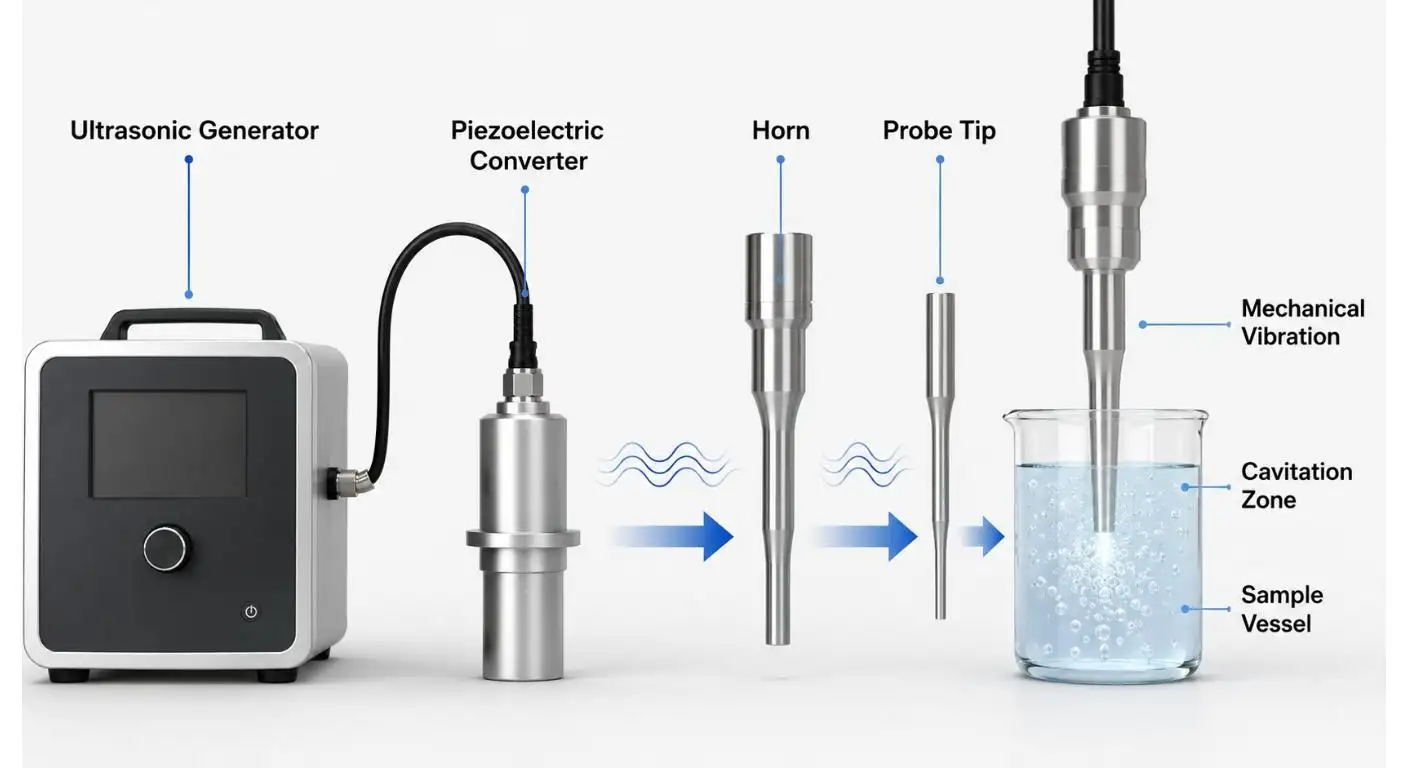
التقنيات الشائعة لطرق البناء على الصوتات لها عدة عيوب. تسبب أجهزة السونيكات المجسية تلوثا بالعينات وتتطلب تنظيفا مكثفا، وهي في النهاية سبب التسخين غير المنضبط للعينات. تقوم أجهزة الاستحمام المائي بتوزيع الطاقة وتنتج نتائج غير متسقة.
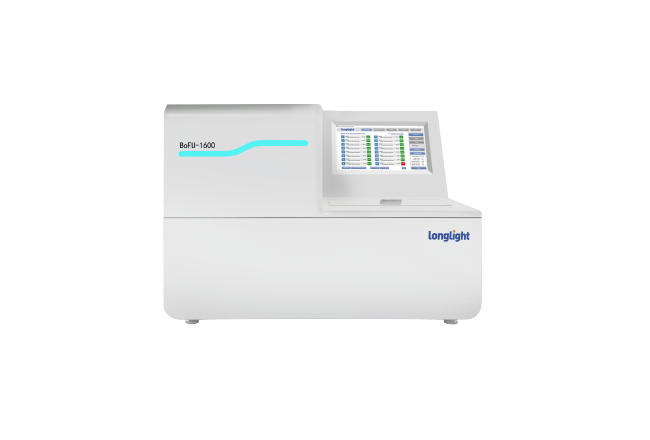
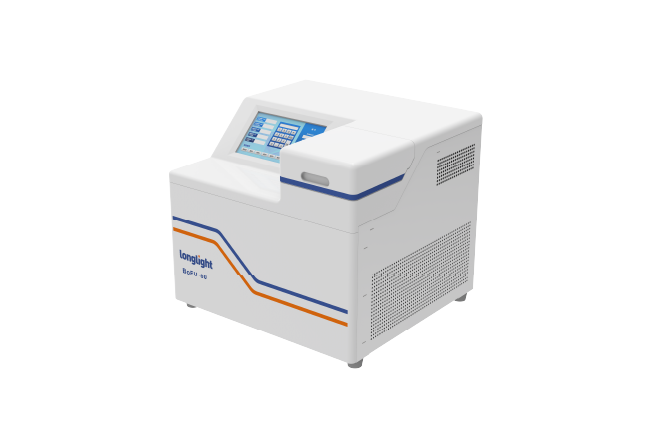
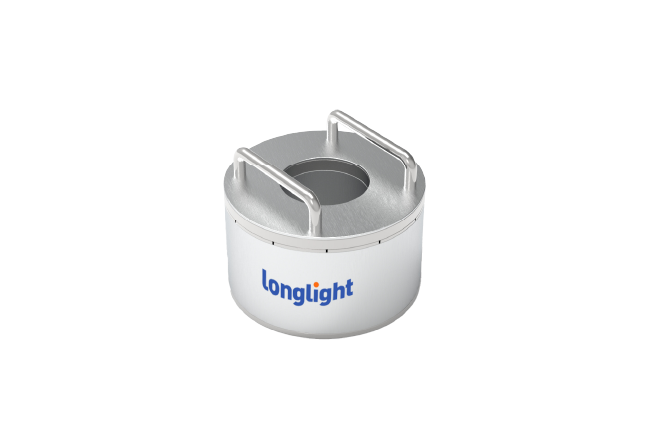
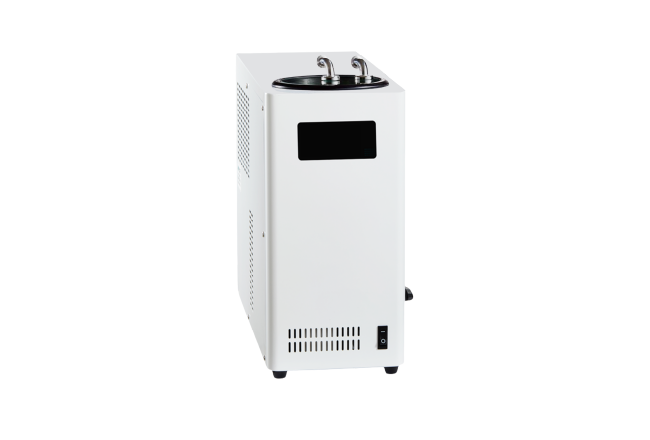
منصات الموجات فوق الصوتية المركزة، مثل BoFU-800، استخدم تصميما مختلفا تماما. القضاء على فقدان الطاقة وتحقيق نتائج قابلة للتكرار عالية والموثوقية عند معالجة العينات الصعبة هي بعض المزايا الإضافية للصوت.
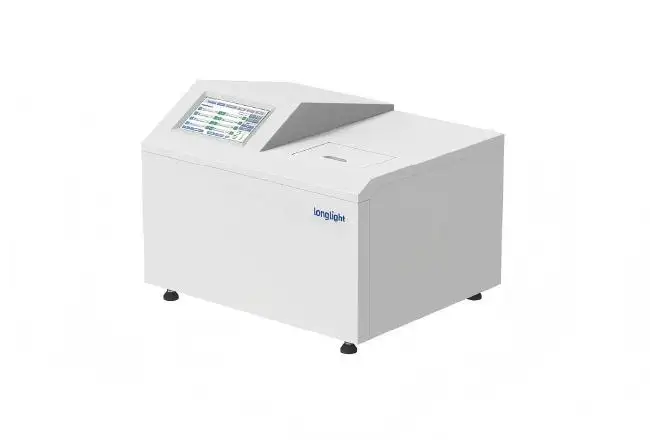
• المعالجة غير التلامسية: أنظمة الطاقة المركزة تتصل بالصوت في وسط صوتي إلى العينة. يتم القضاء على تلامس العينة مع المجس ومن غير المرجح حدوث تلوث للعينات.
• التحكم الحقيقي في درجات الحرارة المنخفضة: حرارة المعالجة بالموجات فوق الصوتية لا تؤثر على النتائج. مع تحسيننا في قياس درجات الحرارة والسيطرة عليها، يمكننا إجراء تغييرات دقيقة ومتعمدة على درجات الحرارة داخل العينات.
• معدل نقل قابل للتكيف: يمكن أن يكون لكل من مواقع العينات الثمانية إعدادات مخصصة للمستخدم. يمكن للمستخدم أيضا معالجة من عينة إلى ثمانية. يتيح النظام من نقل البيانات المرنة.
• وضع المعالجة الدفعية: عندما يكون العينة في كل موضع متساوية، يمكن تطبيق إعدادات مخصصة على جميع مواقع العينة. هذا يمكن المستخدم من معالجة عدة مواقع عينات باستخدام أمر واحد.
• التتبع الكامل: يمكن الوصول إلى المعلومات المتعلقة بمعالجة كل عينة في أي وقت، مما يسمح بتتبع كامل لسجلات التجارب.
التطبيق على أنواع عينات محددة
الميكروبكتيريا
جدار خلية متفطرة السل غني بأحماض الفطريات ويصعب اختراقه. تولد الموجات فوق الصوتية المركزة تجويفا ميكانيكيا وتمزق جدار الخلية لإكمال خطوة تحلل النواة في حوالي 60 ثانية. الوقت الإجمالي لإكمال العملية من الزراعة في المستعمرة إلى استخراج العينة أقل من خمس دقائق.
الفطريات الخيطية
تحتوي جدران خلايا الفطريات الخيطية على الكيتين والجلوكان. ورغم أن اختراقها قد يكون صعبا، إلا أن التصوير بالموجات فوق الصوتية المركزة يمكن أن يقلل وقت تحضير العينة إلى أقل من خمس دقائق ويتطلب فقط 60 ثانية من التصويب.
المواد النباتية
المكونات الرئيسية لجدران خلايا النبات هي اللجنين والسليلوز. بالنسبة للموجات فوق الصوتية المركزة، فإن قدرته على التجانس والتجزئة المتساوية مهمة لسد الاحتياجات المتنوعة التي تشمل استخراج الحمض النووي من أنسجة النباتات والحيوانات.
عينات FFPE
بالنسبة لأنسجة FFPE، يشكل ربط الفورمالديهايد تحديات في كل مرحلة من مراحل العملية. تعمل الموجات فوق الصوتية المركزة على تبسيط تحضير العينات من خلال دمج إزالة البارافين، والتحليل، وتجزئة الحمض النووي في خطوة واحدة سريعة وفعالة، مما يعظم إنتاج العينة.
مثال على البروتوكول الأمثل
عند العمل مع نوع عينة جديد يصعب تحليله، فإن أكثر استراتيجية تطوير بروتوكول فعالية هي كما يلي:
- استخدم إعدادات الشركة المصنعة كأساس للعمل: غالبا ما تكون البروتوكولات الخاصة بنوع العينة معايرة مسبقا ويمكن الاعتماد عليها.
- حدد أحجام الشظايا المقبولة: بالنسبة ل NGS، غالبا ما تكون أحجام شظايا بناء المكتبة بين 300 و500 بت بيت، بينما تسلسل القراءة الطويلة ≥ 10 كيلوبت في الثانية. ضع في اعتبارات الحجم المناسبة.
- مدة القص بالقدرة الثابتة في تجارب المسار الزمني: تحسين طول نافذة الزمن.
- التحقق من الرحلان الكهربائي: في دراسات الزمن، يجب أن تأخذ في الاعتبار تحضير العينة وحجم الشظايا.
- توثيق وتواصل جميع المعايير المطلوبة: لكي يتم تكرار خطوة تحضير العينة بدقة، يجب توثيقها بالكامل في البروتوكولات المرتبطة.
- التحكم الحراري: يجب أن تبقى درجة حرارة العينة ضمن نطاق درجة الحرارة المستهدف لتجنب ظهور الشوائب الحرارية.
اتجاهات مستقبلية
بعد بعض هذه الدراسات المذكورة سابقا في عام 2025، سنواصل رؤية دمج التشخيص السريري والهندسة مع علم الأحياء الجزيئي مما يؤدي إلى إنشاء أدوات متقدمة وأكثر قوة لتجزئة الحمض النووي.
أظهر لي وآخرون كيف يمكن لأجهزة الموجات فوق الصوتية عالية الشدة المصغرة، مع القدرة على مطابقة تجزئة العينات في الأجهزة التجارية، أن تحل مشاكل التلوث المتبادل والمعالجة غير المتسقة مع الأنظمة التقليدية. هذه خطوة نحو استخراج حمض نووي أكثر آلائية وتكاملا، وسيصبح تحضير العينات في المختبر أكثر توحيدا ومتاحا بسهولة.
بالنسبة لمختبرات البحث والتشخيص التي تدمج تقنية الموجات فوق الصوتية المركزة لتحسين التجزئة للعينات التي يصعب تحليلها، فإن فوائد تقنية الموجات فوق الصوتية المركزة، والتي تشمل الدقة وسهولة التنفيذ وقابلية التكرار، هي فوائد كبيرة. إن الجمع بين سير العمل المعتمد لمجموعة واسعة من أنواع العينات، مثل البكتيريا الميكوبكتيرية، والفطريات الخيطية، وأنسجة النبات، وأقسام FFPE، على جهاز واحد، يحسن كفاءة المختبر وجودة البيانات المنتجة، ويعزز ويسرع ترجمة البحث العلمي والممارسة السريرية.
الأسئلة الشائعة
س1. ما هو تجزئة الحمض النووي؟ ما الدور الذي يلعبه للعينات التي يصعب تحليلها؟
أ. تجزئة الحمض النووي ضرورية لإعداد مكتبات NGS. التجزئة نفسها هي تفكيك الحمض النووي إلى قطع أصغر. يستخدم تسلسل الجيل التالي تحليلات الحمض النووي مع عينات يصعب تحطيمها، مثل النباتات والبكتيريا، التي تقاوم التحلل التقليدي.
س2. هل يمكن للموجات فوق الصوتية المركزة اختراق البكتيريا الكيميائية دون أي علاج كيميائي مسبق؟
ج. توفر الموجات فوق الصوتية المركزة طاقة كافية وإجهادا لطبقة الفطريات الميكروبكتيرية، وبالتالي قد تقلل من المعالجة الكيميائية أو تقضي عليها تماما.
س3. كيف يختلف التصوير بالموجات فوق الصوتية المركزة عن ضرب الخرزات لأنسجة النبات؟
أ. الموجات فوق الصوتية المركزة غير تلامسية ومتساوية الحرارة، وتوفر علاجا ميكانيكيا أكثر تجانسا وقصا يسهل تحكما أكبر وتقليل تحلل الأنسجة مقارنة بضرب الخرز.
س4. ما هو الحجم النموذجي لشظايا الحمض النووي عند استخدام التصوير فوق الصوتي المركز؟
ج. قد تختلف أحجام الشظايا أكثر بكثير من 10 كيلوبايت، ويمكن استخدام الموجات فوق الصوتية لاستهداف شظايا من 300-500 قاعدة، بينما الحجم النموذجي لتسلسل الجيل القادم هو حوالي 300-500 قاعدة.
س5. هل تعمل الموجات فوق الصوتية المركزة في تفكيك الحمض النووي من FFPE؟
ج: الموجات فوق الصوتية المركزة قادرة على تحقيق إزالة البارافينية من FFPE وتحلل الخلايا بفعالية أثناء قص الحمض النووي المتقاطع. عملية التركيز على الموجات فوق الصوتية سريعة وتزيد من العائد الكلي للحمض النووي المجزأ.
